1. Specifications Comparison
| Feature | Xiaomi 13 Ultra | Xiaomi Redmi Note 13 4G | Practical Impact |
|---|---|---|---|
| Design | |||
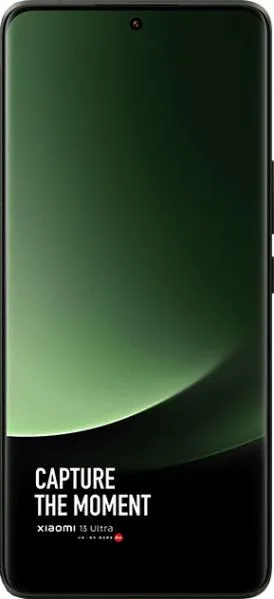
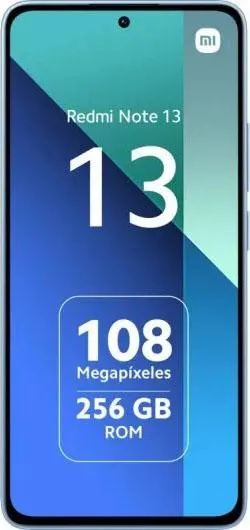
| Dimensions (mm) | 163.2 x 74.6 x 9.1 | 162.3 x 75.6 x 8.0 | 13 Ultra slightly taller and narrower, but noticeably thicker. Note 13 4G lighter. |
| Weight (g) | 227 | 188.5 | 13 Ultra feels significantly heavier in hand, potentially impacting one-handed use. |
| Build Materials | Missing | Missing | Build quality and durability cannot be compared without this information. |
| Display | |||
| Display Type | 6.73" LTPO AMOLED | 6.67" AMOLED | 13 Ultra utilizes LTPO for dynamic refresh rate, leading to better battery efficiency. Both offer vibrant colors and deep blacks due to AMOLED technology. |
| Resolution | 1440 x 3200 | 1080 x 2400 | 13 Ultra offers significantly sharper visuals due to higher pixel density (522 ppi vs 395 ppi). Noticeable difference in clarity for text and images. |
| Refresh Rate | 120Hz | 120Hz | Both offer smooth scrolling and animations. 13 Ultra's LTPO allows for lower refresh rates in static content, saving battery. |
| Peak Brightness | 2600 nits | 1800 nits | 13 Ultra significantly brighter, ensuring better visibility outdoors and in direct sunlight. |
| HDR | Dolby Vision, HDR10+ | Missing (Assumed No based on other specs) | 13 Ultra supports wider HDR formats for superior dynamic range and color accuracy in compatible content. |
| Performance | |||
| Chipset | Snapdragon 8 Gen 2 | Snapdragon 685 | Massive performance difference. 13 Ultra's flagship chipset handles demanding tasks and gaming with ease, while Note 13 4G is suited for everyday use. |
| CPU | Octa-core (1x3.2 GHz Cortex-X3 & 2x2.8 GHz Cortex-A715 & 2x2.8 GHz Cortex-A710 & 3x2.0 GHz Cortex-A510) | Octa-core (4x2.8 GHz Cortex-A73 & 4x1.9 GHz Cortex-A53) | 13 Ultra's CPU offers superior single and multi-core performance resulting in faster app loading, smoother multitasking, and better gaming performance. |
| GPU | Adreno 740 | Adreno 610 | 13 Ultra's GPU provides a significant advantage in graphics-intensive tasks like gaming and video editing. |
| RAM | 12GB | 8GB | 13 Ultra allows for more apps to run in the background without reloading, resulting in smoother multitasking. |
| Camera | |||
| Main Camera | 50MP Sony IMX989 (1") | 108MP Samsung HM6 (1/1.67") | 13 Ultra's larger sensor likely produces better low-light images and shallower depth of field despite lower resolution. |
| Ultrawide | 50MP Sony IMX858 | 8MP | Significant difference in ultrawide quality. 13 Ultra offers much higher resolution and likely better detail and dynamic range. |
| Telephoto | 50MP (2x & 3.2X optical zoom) | None | 13 Ultra offers optical zoom for capturing distant subjects without quality loss, a major advantage. |
| Battery | |||
| Capacity | 5000 mAh | 5000 mAh | Similar battery capacity. However, 13 Ultra's LTPO display and more efficient chipset could result in longer battery life despite the more powerful hardware. |
| Charging Speed | Missing | Missing | Charging speeds cannot be compared without specific data. |
2. Key Differences Analysis
Xiaomi 13 Ultra Advantages:
- Flagship Performance: Significantly faster and more powerful for demanding tasks and gaming.
- Superior Display: Sharper, brighter, and more power efficient due to LTPO technology.
- Advanced Camera System: Larger main sensor, high-resolution ultrawide, and optical zoom provide versatile and high-quality photography.
Xiaomi Redmi Note 13 4G Advantages:
- Lower Price: Significantly more affordable.
- Lighter Weight: Easier to hold and use for extended periods.
3. User Profiles & Recommendations
Xiaomi 13 Ultra: Users who prioritize top-tier performance, the best display quality, and a versatile camera system. Ideal for mobile gamers, content creators, and photography enthusiasts.
Xiaomi Redmi Note 13 4G: Budget-conscious users who prioritize essential features like a large AMOLED display and long battery life for everyday tasks like browsing, social media, and casual gaming.
4. Decision Framework
Key Questions:
- What is your budget? The 13 Ultra is a premium flagship, while the Note 13 4G is a mid-range device.
- What are your performance needs? Do you require top-tier processing power for demanding tasks or gaming?
- How important is camera quality? The 13 Ultra offers a significantly better camera experience.
My Choice: Xiaomi 13 Ultra
While the Redmi Note 13 4G offers excellent value for its price, the Xiaomi 13 Ultra is the clear winner for me. The superior performance, stunning display, and versatile camera system are worth the premium. The significant advancements in processing power, graphics capabilities, and camera technology significantly enhance the user experience. While heavier, the overall experience offered by the 13 Ultra's flagship features, particularly for photography and demanding tasks, justifies the trade-off. The Redmi Note 13 4G is a solid budget option, but it doesn't offer the same level of overall quality and performance.
