1. Specifications Comparison
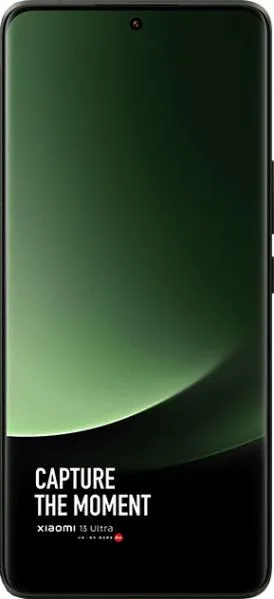
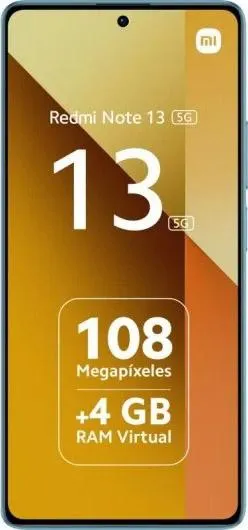
| Feature | Xiaomi 13 Ultra | Xiaomi Redmi Note 13 | Practical Impact |
|---|---|---|---|
| Design | |||
| Dimensions (mm) | 163.2 x 74.6 x 9.1 | 161.1 x 75 x 7.6 | 13 Ultra is slightly larger and thicker. Redmi Note 13 is more pocketable. |
| Weight (g) | 227 | 174.5 | 13 Ultra is significantly heavier. Redmi Note 13 is more comfortable for extended use. |
| Build | Material information missing for both. Impacts durability and premium feel. | ||
| Display | |||
| Size (inches) | 6.73 | 6.67 | Negligible difference in screen real estate. |
| Resolution | 1440 x 3200 | 1080 x 2400 | 13 Ultra offers significantly sharper visuals, especially for media consumption. |
| Type | LTPO AMOLED | AMOLED | 13 Ultra's LTPO panel allows for dynamic refresh rate adjustment (1-120Hz), saving battery. Both offer vibrant colors and deep blacks thanks to AMOLED technology. |
| Refresh Rate (Hz) | 120 | 120 | Both offer smooth scrolling and animations. |
| Peak Brightness (nits) | 2600 | 1000 | 13 Ultra is far brighter, ensuring better outdoor visibility. |
| Performance | |||
| Chipset | Snapdragon 8 Gen 2 | Dimensity 6080 | 13 Ultra provides significantly faster processing, smoother multitasking, and better gaming performance. |
| CPU | Octa-core (1x3.2 GHz Cortex-X3 & ...) | Octa-core (2x2.4 GHz Cortex-A76 & ...) | 13 Ultra's superior CPU architecture and clock speeds translate to a noticeably smoother and more responsive user experience. |
| GPU | Adreno 740 | Mali-G57 MC2 | 13 Ultra offers a substantial advantage in graphics performance for demanding games and applications. |
| RAM (GB) | 12 | 8/12 | 13 Ultra's 12GB RAM ensures smooth multitasking and effortless app switching. Redmi Note 13 offers configurations with up to 12GB for capable multitasking. |
| Camera | |||
| Main Camera (MP) | 50 | 108 | 13 Ultra uses a larger 1-inch sensor with advanced optics (Leica), prioritizing image quality over resolution. Redmi Note 13's 108MP sensor focuses on high resolution. |
| Other Cameras | 50MP Wide, 50MP Telephoto (2x), 50MP Periscope Telephoto (5x) | 2MP Depth, 8MP Ultrawide | 13 Ultra offers a far more versatile camera system with high-quality zoom and wide-angle capabilities. Redmi Note 13's secondary cameras are less impressive. |
| Battery | |||
| Capacity (mAh) | 5000 | 5000 | Similar battery capacity. Real-world battery life will depend on usage and optimization. |
| Charging | Charging speed information missing for both. |
2. Key Differences Analysis
Xiaomi 13 Ultra Advantages:
- Flagship Performance: Significantly faster processor, GPU, and more RAM for a smoother and more powerful experience.
- Superior Display: Higher resolution, brighter, and with LTPO technology for better battery efficiency.
- Versatile Camera System: Leica-tuned lenses, larger sensor, and multiple high-quality zoom options.
Xiaomi Redmi Note 13 Advantages:
- Affordability: Significantly lower price point.
- Lighter and More Compact: Easier to handle and carry for extended periods.
Trade-offs:
- 13 Ultra: Higher price, heavier and larger form factor.
- Redmi Note 13: Lower performance, less impressive camera system, dimmer display.
3. User Profiles & Recommendations
Xiaomi 13 Ultra: Ideal for users who prioritize performance, a top-tier camera, and a stunning display. Best for power users, mobile gamers, photography enthusiasts, and content creators.
Xiaomi Redmi Note 13: Suitable for budget-conscious users who need a reliable phone for everyday tasks like browsing, social media, and casual photography. Good for students, casual users, and those seeking a value-oriented option.
4. Decision Framework
Key Questions:
- What is your budget? The 13 Ultra is a premium flagship, while the Redmi Note 13 is a budget-friendly option.
- What are your primary use cases? Gaming, photography, and demanding tasks benefit from the 13 Ultra's power. Basic tasks can be handled efficiently by the Redmi Note 13.
- Do you prioritize portability or performance? The Redmi Note 13 is lighter and more compact, while the 13 Ultra is larger and heavier but significantly more powerful.
My Choice: Xiaomi 13 Ultra
While the Redmi Note 13 offers great value, the Xiaomi 13 Ultra aligns better with my needs. I prioritize a smooth and powerful user experience, a top-tier camera for capturing high-quality photos and videos, and a vibrant display for media consumption. The 13 Ultra's superior processor, Leica-tuned camera system, and bright LTPO AMOLED display make it a compelling choice despite its higher price and larger size. The significant performance difference and vastly superior camera system justify the premium for my usage.
