1. Specifications Comparison
| Feature | Xiaomi 13 Ultra | Xiaomi Redmi Note 12S | Practical Impact |
|---|---|---|---|
| Design | |||
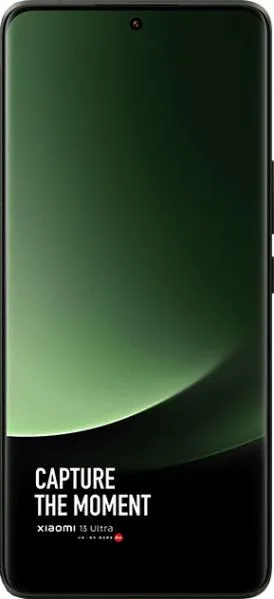
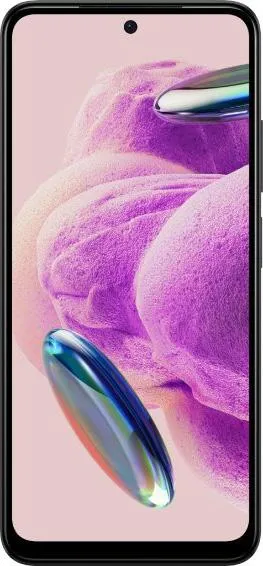
| Dimensions (mm) | 163.2 x 74.6 x 9.1 | 159.9 x 73.9 x 8.1 | 13 Ultra slightly larger and thicker. Noticeable in hand, may impact pocketability. |
| Weight (g) | 227 | 176 | 13 Ultra significantly heavier. Can cause fatigue during extended use. |
| Build | Unspecified | Unspecified | Build quality and materials impact durability and premium feel. Lack of information limits comparison. |
| Display | |||
| Display Size (inches) | 6.73 | 6.43 | 13 Ultra offers a larger screen for more immersive content consumption. |
| Resolution | 1440 x 3200 | 1080 x 2400 | 13 Ultra's higher resolution provides significantly sharper text and images. Noticeable difference in clarity. |
| Display Type | LTPO AMOLED | AMOLED | Both offer vibrant colors and deep blacks. 13 Ultra's LTPO allows for dynamic refresh rate adjustment, saving battery. |
| Refresh Rate (Hz) | 120 | 90 | 13 Ultra's 120Hz provides smoother animations and scrolling. |
| Peak Brightness (nits) | 2600 | 1000 | 13 Ultra's much higher peak brightness ensures better visibility in direct sunlight. |
| Performance | |||
| Chipset | Snapdragon 8 Gen 2 | Helio G96 | 13 Ultra's flagship Snapdragon vastly outperforms the mid-range Helio G96. Impacts speed, multitasking, and gaming significantly. |
| CPU | Octa-core (up to 3.2 GHz) | Octa-core (up to 2.05 GHz) | 13 Ultra's more powerful CPU cores offer significantly faster processing speeds. |
| GPU | Adreno 740 | Mali-G57 MC2 | 13 Ultra's GPU provides a substantial advantage in gaming and graphics-intensive tasks. Smoother gameplay and faster rendering. |
| RAM (GB) | 12/16 | 6/8 | 13 Ultra offers more RAM, enabling better multitasking and preventing app closures in the background. |
| Camera | |||
| Main Camera (MP) | 50 | 108 | Both utilize pixel binning. 13 Ultra boasts a larger sensor (1") for superior low-light performance and dynamic range. |
| Other Cameras | Leica-tuned quad camera system with variable aperture and telephoto lenses. | Triple camera with wide and macro lenses. | 13 Ultra offers far more versatile photography options with superior image quality, especially in challenging conditions. |
| Video Recording | Up to 8K@24fps | Up to 1080p@30fps | 13 Ultra provides significantly higher resolution video recording capabilities. |
| Battery | |||
| Capacity (mAh) | 5000 | 5000 | Similar battery capacities. Real-world battery life will depend on usage and optimization. 13 Ultra's LTPO display may offer better efficiency. |
| Charging | Unspecified | Unspecified | Charging speeds impact convenience. Lack of specific information limits this comparison. |
2. Key Differences Analysis
Xiaomi 13 Ultra Advantages:
- Superior Performance: The Snapdragon 8 Gen 2 significantly outperforms the Helio G96, resulting in a much faster and smoother user experience.
- Flagship Camera System: Leica-tuned lenses, a large 1-inch sensor, and variable aperture provide exceptional image quality and versatility.
- Stunning Display: Higher resolution, LTPO technology, and superior brightness deliver a more immersive and visually appealing experience.
Xiaomi Redmi Note 12S Advantages:
- Lower Price: Significantly more affordable, catering to budget-conscious consumers.
- Lighter and More Compact: Easier to handle and carry for extended periods.
3. User Profiles & Recommendations
Xiaomi 13 Ultra: Ideal for power users, photographers, videographers, and mobile gamers who demand top-tier performance and camera capabilities. Excellent for content creation and consumption.
Xiaomi Redmi Note 12S: Suitable for casual users who prioritize affordability and basic functionality. Good for everyday tasks like browsing, social media, and communication.
4. Decision Framework
Key Questions for Buyers:
- What is your budget? The 13 Ultra is a premium flagship device, while the Redmi Note 12S is a budget-friendly option.
- What are your primary smartphone usage patterns? Consider whether you need top-tier performance for demanding tasks or if basic functionality is sufficient.
- How important is camera quality to you? The 13 Ultra excels in photography and videography, while the Redmi Note 12S offers basic camera capabilities.
Scenario-Based Recommendations:
- For a professional photographer: The Xiaomi 13 Ultra is the clear choice.
- For a casual user on a tight budget: The Redmi Note 12S offers excellent value.
- For a gamer seeking high performance: The 13 Ultra's powerful hardware delivers a superior gaming experience.
My Choice: Xiaomi 13 Ultra
While significantly more expensive, the Xiaomi 13 Ultra is the superior device in almost every aspect. The performance difference between the Snapdragon 8 Gen 2 and the Helio G96 is substantial, impacting daily usage significantly. The 13 Ultra's camera system is in a different league, offering professional-grade capabilities. The superior display further enhances the user experience. While the Redmi Note 12S offers good value for its price, the 13 Ultra's significant advantages justify the higher cost for users who demand the best possible smartphone experience. I prioritize performance, camera quality, and a premium user experience, making the 13 Ultra the clear winner for me. The weight is a concern, but the advantages outweigh this drawback in my personal use case.
