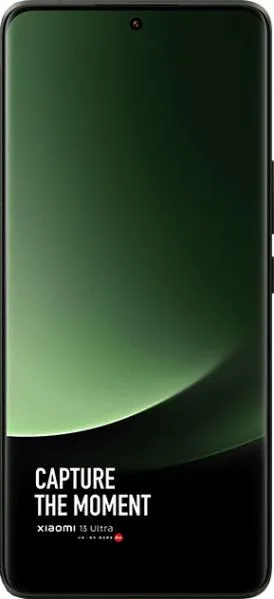
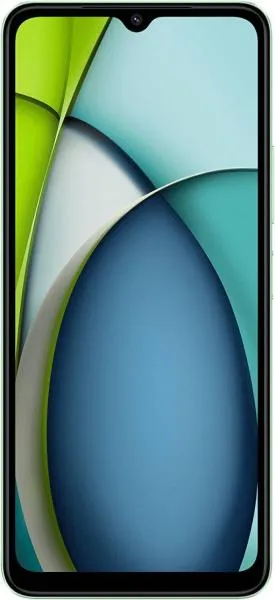
1. Specifications Comparison
| Feature | Xiaomi 13 Ultra | Xiaomi Redmi A3x | Practical Impact |
|---|---|---|---|
| Design | |||
| Dimensions (mm) | 163.2 x 74.6 x 9.1 | 168.4 x 76.3 x 8.3 | A3x is slightly larger and thinner. Ultra might feel more premium due to likely material choices (unspecified). |
| Weight (g) | 227 | 193 | Ultra is noticeably heavier, potentially impacting one-handed use. A3x is lighter and more portable. |
| Build Materials | Unspecified | Unspecified | Material choice impacts durability and premium feel. Lack of information limits comparison. |
| Display | |||
| Display Type | 6.73" LTPO AMOLED | 6.71" IPS LCD | Ultra offers significantly better contrast, color accuracy, and power efficiency with its AMOLED display. LTPO enables dynamic refresh rate for improved battery life. |
| Resolution | 1440 x 3200 | 720 x 1650 | Ultra has a much sharper display, resulting in clearer text and images. A3x's resolution is significantly lower, potentially appearing pixelated. |
| Refresh Rate | 120Hz | 90Hz | Ultra provides smoother animations and scrolling. While 90Hz is good, 120Hz on the Ultra is more responsive. |
| Peak Brightness | 2600 nits | 500 nits | Ultra offers exceptional outdoor visibility even in direct sunlight. A3x's lower brightness may struggle in bright conditions. |
| Performance | |||
| Chipset | Snapdragon 8 Gen 2 | Unisoc T603 | Ultra boasts a flagship processor, ensuring smooth multitasking and demanding gaming performance. A3x has a budget chipset for basic tasks; heavy gaming or multitasking will likely be problematic. |
| CPU | Octa-core (up to 3.2 GHz) | Octa-core (1.8 GHz) | Ultra's CPU offers significantly higher clock speeds and more powerful cores, translating to a vastly superior performance in all tasks. |
| GPU | Adreno 740 | Mali-G57 MP1 | Ultra's GPU delivers top-tier gaming and graphics performance. A3x's GPU is designed for basic graphics rendering. |
| RAM | 12GB/16GB | 4GB | Ultra offers much more RAM, allowing for seamless multitasking and app switching. A3x may experience performance slowdowns with multiple apps open. |
| Camera | |||
| Main Camera | 50MP, Sony IMX989, 1" sensor | 8MP | Ultra's camera system is vastly superior with a larger sensor size, higher resolution, and advanced features (Leica lens). A3x offers basic image quality. |
| Other Cameras | Multiple telephoto and wide-angle lenses | 0.1MP (likely a depth sensor), 5MP selfie | Ultra provides versatile photography options with dedicated lenses for different focal lengths. A3x lacks versatile camera options. |
| Battery | |||
| Capacity | 5000 mAh | 5000 mAh | Similar battery capacities, but Ultra's LTPO display and power-efficient chipset likely result in longer battery life. |
2. Key Differences Analysis
Xiaomi 13 Ultra Advantages:
- Flagship Performance: Dominates in all aspects of performance due to the Snapdragon 8 Gen 2, ample RAM, and powerful GPU.
- Premium Display: The high-resolution LTPO AMOLED display offers vibrant colors, deep blacks, and excellent brightness.
- Versatile Camera System: Leica-tuned lenses and a large sensor deliver exceptional image quality and diverse shooting options.
Xiaomi Redmi A3x Advantages:
- Lightweight and Affordable: Significantly lighter and much cheaper, making it more accessible for budget-conscious buyers.
Trade-offs:
- Ultra: Higher price, heavier weight.
- A3x: Significantly lower performance, basic camera, lower resolution display.
3. User Profiles & Recommendations
Xiaomi 13 Ultra: Ideal for power users, photographers, videographers, and mobile gamers seeking top-tier performance and features.
Xiaomi Redmi A3x: Suitable for users with basic needs like calling, texting, browsing, and light social media usage. Best for budget-constrained individuals who prioritize affordability.
4. Decision Framework
Key Questions:
- What is your budget? The Ultra is a premium flagship, while the A3x is a budget device.
- What are your primary smartphone usage patterns? Heavy gaming, photography, and multitasking benefit from the Ultra's capabilities.
- Do you prioritize performance, display quality, and camera features or affordability and portability?
My Choice: Xiaomi 13 Ultra
While significantly more expensive, the Xiaomi 13 Ultra offers a vastly superior user experience across the board. Its flagship performance, stunning display, and versatile camera system make it a compelling device for demanding users. I prioritize a smooth, responsive experience, high-quality visuals, and the ability to capture excellent photos and videos. The Redmi A3x, while budget-friendly, makes too many compromises on essential features to meet my needs. The investment in the 13 Ultra is justified by the significant jump in quality and capabilities.
