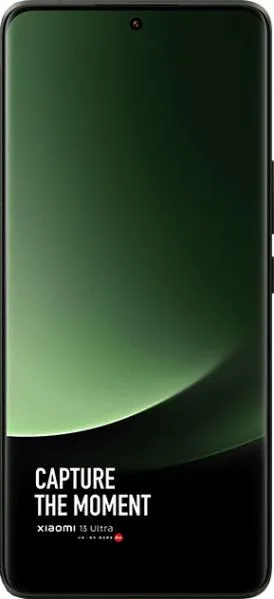
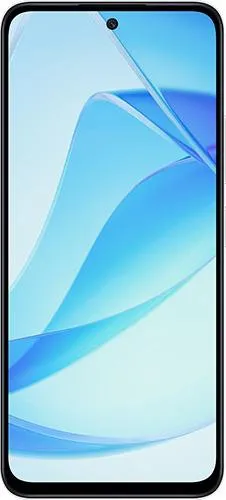
1. Specifications Comparison
| Feature | Xiaomi 13 Ultra | Xiaomi Redmi 12 5G | Practical Impact |
|---|---|---|---|
| Design | |||
| Dimensions (mm) | 163.2 x 74.6 x 9.1 | 168.6 x 76.3 x 8.2 | The Redmi 12 5G is slightly larger and thinner. |
| Weight (g) | 227 | 199 | The 13 Ultra is noticeably heavier. |
| Build | Unspecified | Unspecified | Build quality and materials impact durability and premium feel, but cannot be compared without more data. |
| Display | |||
| Display Type | 6.73" LTPO AMOLED | 6.79" IPS LCD | The 13 Ultra boasts superior contrast, deeper blacks, and potentially better power efficiency with its AMOLED display. The Redmi 12 5G's LCD may offer better outdoor visibility. |
| Resolution | 1440 x 3200 | 1080 x 2460 | The 13 Ultra has a significantly sharper display with higher pixel density (522 vs 396 ppi), resulting in crisper text and images. |
| Refresh Rate | 120Hz | 90Hz | The 13 Ultra offers smoother scrolling and animations with its higher refresh rate. |
| Peak Brightness | 2600 nits | Unspecified | The 13 Ultra's exceptional peak brightness ensures excellent visibility in direct sunlight. The Redmi's unspecified brightness limits comparative analysis. |
| Performance | |||
| Chipset | Snapdragon 8 Gen 2 | Snapdragon 4 Gen 2 | The 13 Ultra's flagship Snapdragon 8 Gen 2 provides significantly faster processing power, enabling smoother multitasking and demanding gaming performance. The Redmi's 4 Gen 2 targets budget-conscious users with moderate performance needs. |
| CPU | Octa-core (up to 3.2 GHz) | Octa-core (up to 2.2 GHz) | The 13 Ultra's higher clock speeds and more powerful core architecture translate to a significant performance advantage in everyday tasks and demanding applications. |
| GPU | Adreno 740 | Adreno 613 | The Adreno 740 in the 13 Ultra offers a substantial leap in graphics performance, crucial for gaming and visually intensive tasks. |
| RAM | 12/16GB | 4/6/8GB | The 13 Ultra's larger RAM options ensure smoother multitasking and better performance with memory-intensive applications. |
| Camera | |||
| Rear Camera | 50MP Quad Camera (Leica) | 50MP + 2MP Dual Camera | The 13 Ultra's Leica-tuned quad camera system with variable aperture and advanced features suggests superior image quality and versatility. The Redmi 12 5G offers a basic dual-camera setup. |
| Video Recording | Up to 8K@24fps | Up to 1080p@30fps | The 13 Ultra offers significantly higher resolution video recording capabilities. |
| Battery | |||
| Capacity | 5000 mAh | 5000 mAh | Similar battery capacities suggest comparable battery life, though actual usage will depend on software optimization and individual usage patterns. |
2. Key Differences Analysis
Xiaomi 13 Ultra Advantages:
- Flagship Performance: Significantly faster processor, GPU, and more RAM.
- Superior Display: Higher resolution, refresh rate, brighter AMOLED panel.
- Advanced Camera System: Leica-tuned quad camera with versatile features.
- Premium Features: Dolby Vision, HDR10+, USB 3.2 with DisplayPort.
Xiaomi Redmi 12 5G Advantages:
- Lower Price: Significantly more affordable.
- Lighter Weight: Easier to handle for extended periods.
Trade-offs:
- The 13 Ultra's premium features come at a significantly higher price and heavier weight.
- The Redmi 12 5G sacrifices performance, display quality, and camera capabilities for affordability.
3. User Profiles & Recommendations
Xiaomi 13 Ultra: Ideal for power users, photographers, videographers, and gamers seeking top-tier performance and features. Excellent for demanding tasks, content creation, and immersive media consumption.
Xiaomi Redmi 12 5G: Suitable for budget-conscious users prioritizing affordability for basic tasks like communication, web browsing, and social media.
4. Decision Framework
Key Questions:
- What is your budget? The price difference is substantial.
- What are your primary smartphone usage patterns? (e.g., gaming, photography, basic communication)
- How much importance do you place on performance, display quality, and camera capabilities?
My Choice:
I would choose the Xiaomi 13 Ultra. While significantly more expensive, its superior performance, stunning display, and advanced camera system cater to my needs as a power user who values a smooth, responsive, and feature-rich experience. The ability to handle demanding tasks, enjoy immersive media consumption, and capture high-quality photos and videos outweighs the price premium for me. The Redmi 12 5G, while offering excellent value for its price, doesn't meet my requirements for performance and features. The 13 Ultra's heavier weight is a minor inconvenience I'm willing to accept for the significant performance gains.
