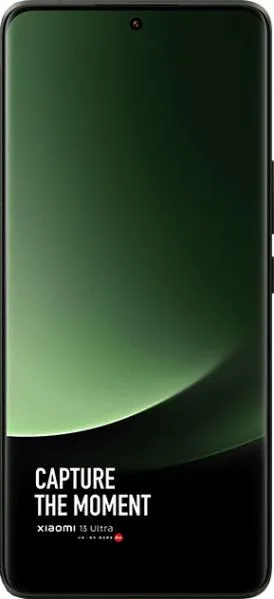
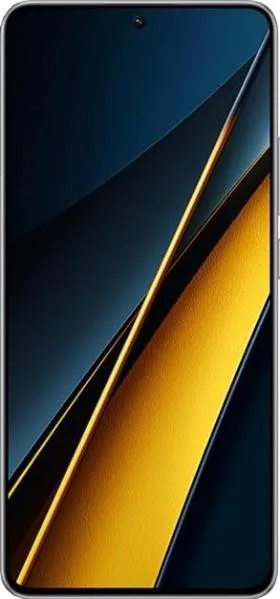
1. Specifications Comparison
| Feature | Xiaomi 13 Ultra | Xiaomi Poco X6 Pro | Practical Impact |
|---|---|---|---|
| Design | |||
| Dimensions (mm) | 163.2 x 74.6 x 9.1 | 160.5 x 74.3 x 8.3 | Poco X6 Pro is slightly smaller and thinner, potentially improving one-handed usability. |
| Weight (g) | 227 | 186 | Poco X6 Pro is significantly lighter, reducing hand fatigue during extended use. |
| Build Materials | Missing | Missing | Cannot compare build quality and durability. |
| Display | |||
| Size (inches) | 6.73 | 6.67 | Negligible difference in screen real estate. |
| Resolution | 1440 x 3200 | 1220 x 2712 | 13 Ultra has a sharper display (522 ppi vs 446 ppi), resulting in crisper text and images. |
| Type | LTPO AMOLED | AMOLED | 13 Ultra's LTPO panel allows for dynamic refresh rate adjustment, potentially saving battery life. |
| Peak Brightness (nits) | 2600 | 1800 | 13 Ultra offers significantly higher peak brightness, improving outdoor visibility. |
| Performance | |||
| Chipset | Snapdragon 8 Gen 2 | Dimensity 8300 Ultra | Both are high-performance chipsets, but Snapdragon 8 Gen 2 generally benchmarks higher in graphics and AI tasks. |
| CPU | Octa-core (up to 3.2 GHz) | Octa-core (up to 3.35 GHz) | While Poco has a slightly higher clock speed on one core, overall performance depends on core architecture and optimization; real-world differences might be minimal. |
| GPU | Adreno 740 | Mali G615-MC6 | Adreno 740 generally provides better gaming performance compared to Mali G615-MC6. |
| RAM | 12GB | 8/12GB | 12GB RAM on both high-end configurations ensures smooth multitasking. |
| Camera | |||
| Main Camera | 50MP, 1-inch sensor | 64MP, 1/2-inch sensor | 13 Ultra boasts a much larger sensor, potentially capturing more light and detail, especially in low light. Leica lens collaboration suggests superior image quality on the 13 Ultra. |
| Telephoto | Variable, up to 5x optical zoom | Missing dedicated telephoto | 13 Ultra offers superior zoom capabilities. |
| Ultrawide | 50MP | 8MP | 13 Ultra's ultrawide offers significantly higher resolution. |
| Battery | |||
| Capacity | 5000 mAh | 5000 mAh | Similar battery capacity. Actual battery life depends on optimization and usage patterns. |
| Charging Speed | Missing | Missing | Cannot compare charging speeds. |
2. Key Differences Analysis
Xiaomi 13 Ultra Advantages:
- Superior Camera System: Larger sensor, Leica collaboration, variable telephoto lens. Results in significantly better image quality, particularly in challenging conditions and zoom scenarios.
- Brighter, Sharper Display: Higher resolution and peak brightness improve outdoor readability and media consumption.
- More Powerful GPU: Better for demanding games and graphics-intensive tasks.
- LTPO Display: More power efficient.
Xiaomi Poco X6 Pro Advantages:
- Lower Price: Significantly more affordable.
- Lighter and More Compact: Easier to handle and carry.
3. User Profiles & Recommendations
Xiaomi 13 Ultra: Ideal for photography enthusiasts, power users, and those who prioritize the best possible display and performance. Excellent for content creation, gaming, and consuming media.
Xiaomi Poco X6 Pro: Suitable for budget-conscious users who want a good overall experience without breaking the bank. Good for everyday tasks, social media, and casual gaming.
4. Decision Framework
Key Questions:
- What is your budget? The price difference is substantial.
- Is camera quality a top priority? The 13 Ultra significantly outperforms the Poco X6 Pro in this area.
- Do you value a lighter and more compact phone? The Poco X6 Pro excels in portability.
Scenario-Based Recommendations:
- Photography Enthusiast: Xiaomi 13 Ultra
- Gamer on a Budget: Xiaomi Poco X6 Pro
- Everyday User Prioritizing Value: Xiaomi Poco X6 Pro
My Choice: Xiaomi 13 Ultra
While the Poco X6 Pro offers excellent value, I would choose the Xiaomi 13 Ultra. The superior camera system, with its larger sensor and Leica collaboration, is a major deciding factor for me. I prioritize image quality and appreciate the versatility of the variable telephoto lens. The brighter, sharper LTPO display also enhances the overall user experience. While the price is significantly higher, the 13 Ultra delivers a flagship experience that justifies the premium. The improved performance offered by the Snapdragon 8 Gen 2 and Adreno 740 GPU further solidifies my choice, ensuring smooth performance for demanding tasks and future-proofing the device. While I acknowledge the Poco X6 Pro's advantages in price and portability, the 13 Ultra's superior features in areas I prioritize outweigh those considerations.
