1. Specifications Comparison
| Feature | Xiaomi 13 Ultra | Xiaomi Poco M6 Pro | Practical Impact |
|---|---|---|---|
| Design | |||
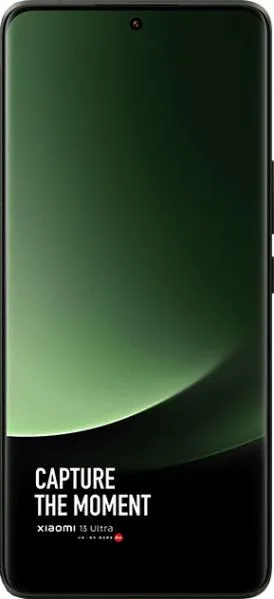
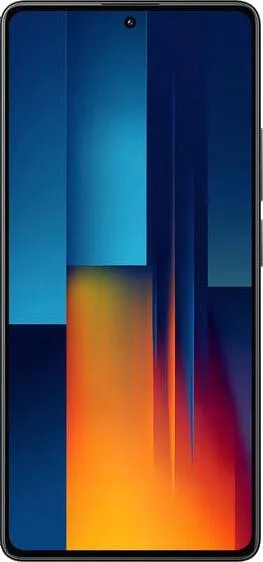
| Dimensions (mm) | 163.2 x 74.6 x 9.1 | 161.1 x 75 x 8 | 13 Ultra slightly larger, but M6 Pro thinner |
| Weight (g) | 227 | 179 | 13 Ultra significantly heavier; M6 Pro more comfortable for extended use |
| Build | Material specifications missing for both; impact on durability and premium feel unknown | ||
| Display | |||
| Size (inches) | 6.73 | 6.67 | Negligible size difference |
| Resolution | 1440 x 3200 | 1080 x 2400 | 13 Ultra significantly sharper, crisper visuals; noticeable difference in image and text clarity |
| Panel Type | LTPO AMOLED | AMOLED | 13 Ultra's LTPO panel allows for dynamic refresh rate adjustment (1-120Hz), potentially saving battery while maintaining smooth scrolling |
| Peak Brightness | 2600 nits | 1300 nits | 13 Ultra far brighter, ensuring better visibility in direct sunlight |
| Performance | |||
| Chipset | Snapdragon 8 Gen 2 | Helio G99 Ultra | 13 Ultra vastly more powerful, enabling significantly smoother multitasking, gaming, and demanding tasks |
| CPU | Octa-core (1x3.2 GHz Cortex-X3 & 2x2.8 GHz Cortex-A715 & 2x2.8 GHz Cortex-A710 & 3x2.0 GHz Cortex-A510) | Octa-core (2x2.2 GHz Cortex-A76 & 6x2.0 GHz Cortex-A55) | 13 Ultra's CPU architecture and higher clock speeds offer superior performance |
| GPU | Adreno 740 | Mali-G57 MC2 | 13 Ultra offers significantly better graphics performance for gaming and graphically demanding applications |
| RAM | 12GB | 8GB | More RAM in 13 Ultra allows for smoother multitasking and keeping more apps open in the background |
| Camera | |||
| Main Camera | 50MP, Sony IMX989, 1-inch sensor | 64MP, Omnivision OV64B, 1/2-inch sensor | 13 Ultra's larger sensor likely captures more light and detail, especially in low-light conditions; Leica lens collaboration may impact image quality |
| Telephoto | Variable zoom (5x & 3.2x) | None | 13 Ultra offers optical zoom for capturing distant subjects without quality loss |
| Ultrawide | 50MP | 8MP | Significant resolution difference; 13 Ultra's ultrawide will capture far more detail |
| Battery | |||
| Capacity | 5000 mAh | 5000 mAh | Similar battery capacity, but real-world battery life will depend on software optimization and display power consumption |
| Charging Speed | Not specified | Not specified | Unable to compare charging speeds |
2. Key Differences Analysis
Xiaomi 13 Ultra Advantages:
- Flagship Performance: Significantly more powerful processor, GPU, and more RAM, ensuring a smoother and faster experience for any task.
- Superior Display: Higher resolution, brighter, and more power-efficient LTPO AMOLED panel.
- Advanced Camera System: Larger main sensor, Leica collaboration, and versatile zoom capabilities provide a substantial imaging advantage.
Xiaomi Poco M6 Pro Advantages:
- Lighter and Thinner: More comfortable for one-handed use and carrying in pockets.
- Lower Price: Significantly more affordable.
3. User Profiles & Recommendations
Xiaomi 13 Ultra: Ideal for users who demand top-tier performance, the best possible camera system, and a premium display. Suitable for power users, mobile gamers, photography enthusiasts, and content creators.
Xiaomi Poco M6 Pro: Suitable for budget-conscious users who prioritize affordability over cutting-edge specs. Best for everyday tasks like browsing, social media, and casual photography. Good for users who value a lighter and thinner phone.
4. Decision Framework
Key Questions for Buyers:
- What is your budget? The 13 Ultra is a premium flagship, while the M6 Pro is a budget-friendly option.
- What are your performance needs? Do you need top-tier processing power for demanding tasks or gaming, or is moderate performance sufficient?
- How important is camera quality? Is having the best possible camera system a priority, or is a decent camera enough?
My Choice:
I would choose the Xiaomi 13 Ultra. While significantly more expensive, the superior performance, stunning display, and advanced camera system make it a worthwhile investment for me. I prioritize a smooth user experience, high-quality mobile photography, and a bright, crisp display. The Poco M6 Pro, while offering good value for its price, doesn't meet my needs in these crucial areas. The performance difference between the Snapdragon 8 Gen 2 and the Helio G99 is substantial and would significantly impact my daily usage. The camera quality, particularly in low light and versatility with zoom options, is also a deciding factor. I am willing to pay a premium for a device that offers a top-tier experience in these areas. The heavier weight is a trade-off I'm willing to accept for the overall superior performance.
