1. Specifications Comparison
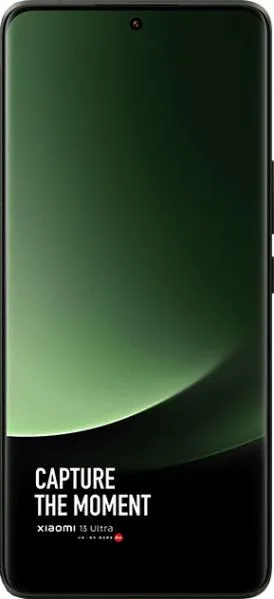
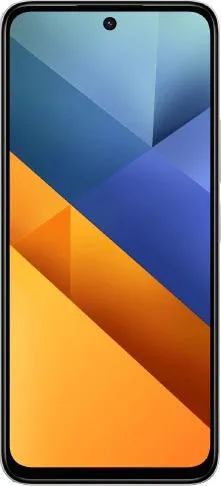
| Feature | Xiaomi 13 Ultra | Xiaomi Poco M6 4G | Practical Impact |
|---|---|---|---|
| Design | |||
| Dimensions (mm) | 163.2 x 74.6 x 9.1 | 168.6 x 76.3 x 8.3 | The Poco M6 is slightly larger and thicker. |
| Weight (g) | 227 | 205 | The 13 Ultra feels more substantial, potentially more premium but less portable. |
| Build | Missing | Missing | Build quality and materials impact durability and premium feel; information lacking here. |
| Display | |||
| Display Type | 6.73" LTPO AMOLED | 6.79" IPS LCD | The 13 Ultra's AMOLED offers superior contrast, deeper blacks, and potentially better power efficiency due to LTPO. The Poco M6's larger LCD might be preferable for some due to its size and lack of potential burn-in issues associated with AMOLED. |
| Resolution | 1440 x 3200 | 1080 x 2460 | Sharper, more detailed visuals on the 13 Ultra. Noticeable difference in clarity for text and images. |
| Refresh Rate | 120Hz | 90Hz | Smoother animations and scrolling on the 13 Ultra, though 90Hz is still very smooth for most users. |
| Peak Brightness | 2600 nits | Missing | The 13 Ultra's extremely high peak brightness ensures excellent outdoor visibility. We can't compare to the Poco M6 without its peak brightness spec. |
| Performance | |||
| Chipset | Snapdragon 8 Gen 2 | Helio G91 Ultra | Significant performance difference. The 13 Ultra will handle demanding tasks and gaming much better. The Poco M6 is sufficient for everyday use but might struggle with heavy multitasking or gaming. |
| CPU | Octa-core (1x3.2 GHz Cortex-X3 & 2x2.8 GHz Cortex-A715 & 2x2.8 GHz Cortex-A710 & 3x2.0 GHz Cortex-A510) | Octa-core (2x2.0 GHz Cortex-A75 & 6x1.8 GHz Cortex-A55) | The 13 Ultra's CPU is much more powerful, resulting in faster app loading, smoother multitasking, and better overall responsiveness. |
| GPU | Adreno 740 | Mali-G52 MC2 | The 13 Ultra offers a significantly more powerful GPU for superior gaming performance and graphics rendering. |
| RAM | 12GB | 8GB | More RAM on the 13 Ultra allows for more apps to run in the background without reloading, improving multitasking. |
| Camera | |||
| Main Camera | 50MP Sony IMX989 | 108MP Samsung HM6 | While the Poco M6 boasts a higher megapixel count, the 13 Ultra uses a larger 1-inch sensor (IMX989) likely resulting in superior image quality, especially in low light, and better dynamic range. Sensor size is often more crucial than megapixel count. |
| Other Cameras | 50MP Wide, 50MP Telephoto (2x), 50MP Periscope Telephoto | 2MP Macro, 13MP Selfie | The 13 Ultra offers a more versatile camera system with high-quality telephoto capabilities. The Poco M6's macro lens is of limited practical use. |
| Video Recording | Up to 8K@24fps | Up to 1080p@30fps | The 13 Ultra offers significantly higher resolution video recording capabilities. |
| Battery | |||
| Capacity | 5000 mAh | 5030 mAh | Negligible difference in battery capacity. Real-world battery life depends on software optimization and usage patterns. |
| Charging | Missing specifics | Missing specifics | Charging speed significantly impacts usability; information is lacking here. |
2. Key Differences Analysis
Xiaomi 13 Ultra Advantages:
- Flagship Performance: Significantly faster processor, GPU, and more RAM for a smoother, more responsive experience.
- Superior Display: LTPO AMOLED with higher resolution, refresh rate, and peak brightness provides vibrant colors, deep blacks, and excellent outdoor visibility.
- Versatile Camera System: Leica-tuned lenses, large 1-inch sensor, and multiple telephoto options for exceptional photography.
- Premium Feel: Likely uses higher quality materials (information missing), and generally feels more substantial.
Xiaomi Poco M6 4G Advantages:
- Lower Price: Significantly more affordable.
- Slightly Larger Display: Might be preferred by users who prioritize screen real estate.
- Lighter Weight: More comfortable for extended use.
3. User Profiles & Recommendations
Xiaomi 13 Ultra: Ideal for power users, photographers, videographers, and those who demand the best possible performance and display quality. Excellent for demanding mobile gaming, content creation, and media consumption.
Xiaomi Poco M6 4G: Suitable for budget-conscious users who prioritize basic functionality and a large display. Best for everyday tasks like web browsing, social media, and casual gaming.
4. Decision Framework
Key Questions:
- What is your budget? The 13 Ultra is a premium flagship, while the Poco M6 is a budget device.
- What are your primary use cases? Gaming, photography, and demanding tasks benefit from the 13 Ultra's power. Basic use cases are well-served by the Poco M6.
- Do you prioritize performance, display quality, and camera capabilities or affordability and a larger display?
Scenario-Based Recommendations:
- Heavy gamer: Xiaomi 13 Ultra
- Photography enthusiast: Xiaomi 13 Ultra
- Budget-conscious student: Xiaomi Poco M6 4G
- Casual user primarily for social media and web browsing: Xiaomi Poco M6 4G
My Choice: Xiaomi 13 Ultra
While the Poco M6 offers excellent value for its price, I would choose the Xiaomi 13 Ultra. The superior performance, stunning display, and incredibly versatile camera system are compelling. I prioritize a smooth, responsive user experience, excellent image quality, and future-proofing my device. The price difference is significant, but the 13 Ultra offers a substantial upgrade in almost every aspect, making it worth the investment for my needs. The lack of detailed specs for build and charging on both phones is a minor concern, but the overall performance and feature set of the 13 Ultra clearly distinguishes it.
