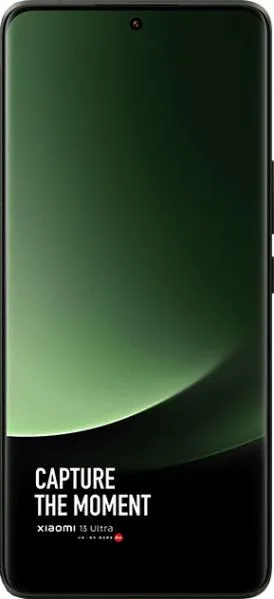
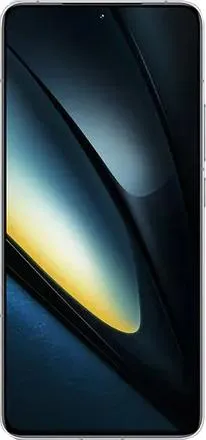
1. Specifications Comparison
| Feature | Xiaomi 13 Ultra | Xiaomi Poco F6 Pro | Practical Impact |
|---|---|---|---|
| Design | |||
| Dimensions (mm) | 163.2 x 74.6 x 9.1 | 160.9 x 75 x 8.2 | Poco F6 Pro is slightly smaller and thinner, potentially improving one-handed usability. |
| Weight (g) | 227 | 209 | Poco F6 Pro is noticeably lighter, reducing hand fatigue during extended use. |
| Build Materials | Missing | Missing | Cannot compare build quality and premium feel. |
| Display | |||
| Size (inches) | 6.73 | 6.67 | Negligible difference in screen real estate. |
| Resolution | 1440 x 3200 | 1440 x 3200 | Identical resolution, resulting in sharp visuals on both devices. |
| Panel Type | LTPO AMOLED | AMOLED | 13 Ultra's LTPO panel allows for dynamic refresh rate adjustment, leading to better battery life. |
| Peak Brightness (nits) | 2600 | 4000 | Poco F6 Pro boasts significantly higher peak brightness, improving outdoor visibility. |
| Performance | |||
| Chipset | Snapdragon 8 Gen 2 | Snapdragon 8 Gen 2 | Identical chipsets should deliver similar performance in demanding tasks and gaming. |
| CPU | Octa-core (1x3.2 GHz Cortex-X3 & 2x2.8 GHz Cortex-A715 & 2x2.8 GHz Cortex-A710 & 3x2.0 GHz Cortex-A510) | Octa-core (1x3.2 GHz Cortex-X3 & 2x2.8 GHz Cortex-A715 & 2x2.8 GHz Cortex-A710 & 3x2.0 GHz Cortex-A510) | Same CPU configuration indicates comparable processing power. |
| RAM (GB) | 12 | 12 | Equal RAM capacity ensures smooth multitasking on both phones. |
| Camera | |||
| Main Camera (MP) | 50 (1-inch sensor) | 50 | 13 Ultra's significantly larger sensor should capture more light and detail, especially in low light. |
| Ultrawide (MP) | 50 | 8 | Substantial difference in ultrawide resolution; 13 Ultra offers superior image quality. |
| Telephoto (MP) | 50 (2x) & 50 (3.2x-5x) | Missing dedicated telephoto | 13 Ultra offers significantly better zoom capabilities. |
| Battery | |||
| Capacity (mAh) | 5000 | 5000 | Identical battery capacity suggests similar potential battery life, although real-world usage may vary. |
| Charging Speed | Missing | Missing | Cannot compare charging speeds. |
2. Key Differences Analysis
Xiaomi 13 Ultra Advantages:
- Superior Camera System: Larger main sensor, higher resolution ultrawide, and dedicated telephoto lenses provide significantly better image quality and versatility.
- LTPO Display: Enables dynamic refresh rate for improved battery efficiency.
Xiaomi Poco F6 Pro Advantages:
- Lower Price: Significantly more affordable.
- Higher Peak Brightness: Better outdoor visibility.
- Lighter and Slightly Smaller: Improved handling and portability.
- Newer starting OS & Potentially Longer Support: Starts with Android 14 and potentially longer support until Android 17 compared to 13 Ultra's Android 13 with potential support up to Android 14.
Trade-offs:
- The Poco F6 Pro sacrifices camera quality and display features for a lower price point.
- The 13 Ultra prioritizes camera and display technology, resulting in a higher price and heavier device.
3. User Profiles & Recommendations
Xiaomi 13 Ultra: Ideal for photography enthusiasts, professionals, or users who prioritize camera quality and premium features. Excellent for capturing high-quality photos and videos in various scenarios, including low light and zoom situations.
Xiaomi Poco F6 Pro: Suitable for budget-conscious users who seek excellent performance and a bright display without needing top-tier camera capabilities. Great for everyday tasks, gaming, and media consumption.
4. Decision Framework
Key Questions for Buyers:
- What is your budget? The price difference is substantial.
- How important is camera quality to you? The 13 Ultra offers a significant advantage in this area.
- Do you prioritize battery life or outdoor visibility? The 13 Ultra offers better battery efficiency due to LTPO, while Poco F6 Pro offers brighter display for better outdoor use.
Scenario-Based Recommendations:
- Limited Budget: Poco F6 Pro
- Photography Enthusiast: Xiaomi 13 Ultra
- Balanced User (Performance & Battery): Lean towards 13 Ultra if battery life is prioritized, Poco F6 Pro if a brighter screen is more important.
My Choice: Xiaomi Poco F6 Pro
While the Xiaomi 13 Ultra boasts an impressive camera system, the Xiaomi Poco F6 Pro offers incredible value for its price. The Snapdragon 8 Gen 2 ensures flagship performance, the display is bright and sharp, and the battery capacity is substantial. For my personal use, which prioritizes performance, value, and a good display for content consumption and gaming, the Poco F6 Pro is the clear winner. I am willing to compromise on camera quality for the significant price difference and lighter weight. The potentially longer software support compared to the 13 Ultra is also a key factor in my decision.
