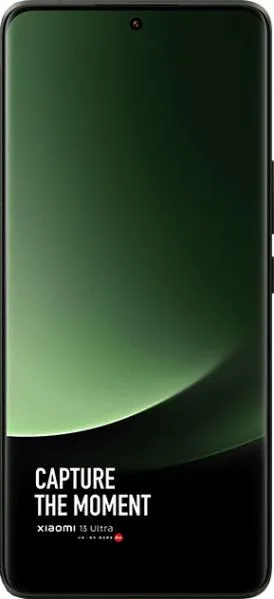
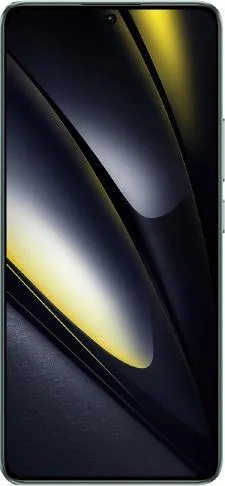
1. Specifications Comparison
| Feature | Xiaomi 13 Ultra | Xiaomi Poco F6 | Practical Impact |
|---|---|---|---|
| Design | |||
| Dimensions (mm) | 163.2 x 74.6 x 9.1 | 160.5 x 74.5 x 8 | Poco F6 is slightly smaller and thinner, potentially improving one-handed usability. |
| Weight (g) | 227 | 179 | Poco F6 is significantly lighter, reducing fatigue during extended use. |
| Build | Material specifications missing for both phones, limiting comparison. | ||
| Display | |||
| Size (inches) | 6.73 | 6.67 | Negligible difference in screen real estate. |
| Resolution | 1440 x 3200 | 1220 x 2712 | 13 Ultra has a sharper display (522 ppi vs 446 ppi), resulting in crisper text and images. |
| Type | LTPO AMOLED | AMOLED | 13 Ultra's LTPO panel allows for dynamic refresh rate adjustment, potentially saving battery life. |
| Peak Brightness | 2600 nits | 2400 nits | 13 Ultra offers slightly higher peak brightness, improving outdoor visibility. |
| Performance | |||
| Chipset | Snapdragon 8 Gen 2 | Snapdragon 8s Gen 3 | 13 Ultra features a more powerful and newer flagship chipset, enabling smoother multitasking and better gaming performance. |
| CPU | Octa-core (1x3.2 GHz Cortex-X3 & 2x2.8 GHz Cortex-A715 & 2x2.8 GHz Cortex-A710 & 3x2.0 GHz Cortex-A510) | Octa-core (1x3.0 GHz Cortex-X4 & 4x2.8 GHz Cortex-A720 & 3x2.0 GHz Cortex-A520) | Both have powerful CPUs, but architectural differences and clock speeds favor the 13 Ultra for demanding tasks. |
| GPU | Adreno 740 | Adreno 735 | 13 Ultra has a more capable GPU, delivering better graphics performance in games and visually intensive applications. |
| RAM | 12GB/16GB | 8GB/12GB | 13 Ultra offers configurations with more RAM, improving multitasking and app loading times. |
| Camera | |||
| Main Camera | 50MP, Sony IMX989, 1-inch sensor | 50MP, Sony IMX882, 1/2-inch sensor | 13 Ultra boasts a significantly larger sensor, capturing more light and detail, especially in low-light conditions. Leica lens likely contributes to superior image quality. |
| Ultrawide | 50MP | 8MP | Massive difference in resolution; 13 Ultra's ultrawide will produce far more detailed and usable shots. |
| Telephoto | 50MP (2x) + 50MP (3.2x zoom) | None specified | 13 Ultra offers versatile telephoto capabilities for capturing distant subjects, a clear advantage. |
| Battery | |||
| Capacity | 5000 mAh | 5000 mAh | Similar battery capacities suggest comparable battery life, but real-world usage may vary due to display and processor differences. |
| Charging Speed | Not specified | Not specified | Charging speed comparison not possible due to missing information. |
2. Key Differences Analysis
Xiaomi 13 Ultra Advantages:
- Superior Camera System: Significantly larger main sensor, higher resolution ultrawide, and dual telephoto lenses offer vastly improved photographic capabilities.
- More Powerful Performance: The newer Snapdragon 8 Gen 2 chipset provides a noticeable performance advantage for demanding tasks and gaming.
- Sharper Display: Higher resolution and LTPO technology deliver a crisper and more responsive visual experience.
Xiaomi Poco F6 Advantages:
- Lighter and More Affordable: Significantly lighter weight enhances portability and comfort, while the lower price makes it more accessible.
3. User Profiles & Recommendations
Xiaomi 13 Ultra: Ideal for photography enthusiasts, power users, and those who demand the best possible mobile experience. Excellent for capturing high-quality photos and videos, demanding gaming, and seamless multitasking.
Xiaomi Poco F6: Suitable for budget-conscious users who prioritize affordability and portability. A good choice for everyday tasks, social media, and casual gaming. Not recommended for serious photographers.
4. Decision Framework
Key Questions for Buyers:
- What is your budget? The 13 Ultra falls in the "high price" range, while the Poco F6 is "medium price."
- Is camera quality a top priority? The 13 Ultra offers a vastly superior camera system.
- Do you need top-tier performance? The 13 Ultra's Snapdragon 8 Gen 2 provides a significant performance advantage.
My Choice: Xiaomi 13 Ultra
While the Poco F6 offers excellent value for its price, the Xiaomi 13 Ultra is the clear winner for me. The significantly superior camera system, including the 1-inch sensor and versatile telephoto lenses, is a major deciding factor. I value high-quality photography and the ability to capture stunning images in various situations. The more powerful performance ensures a smooth and responsive user experience, which is crucial for demanding tasks and gaming. Although the higher price is a consideration, the 13 Ultra's premium features and overall quality justify the investment for my needs. The lighter weight of the Poco F6 is tempting, but the substantial difference in camera and performance capabilities outweighs the portability benefit in my personal use case.
