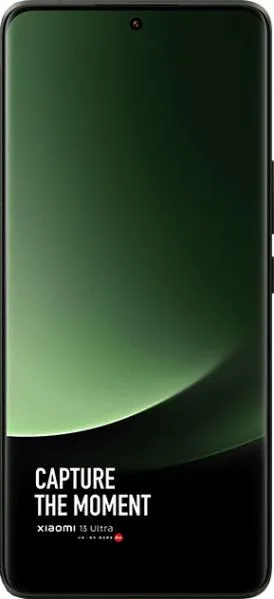
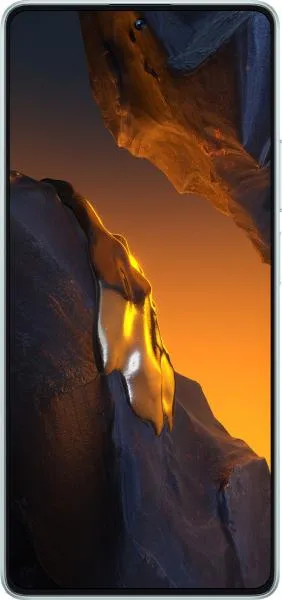
1. Specifications Comparison
| Feature | Xiaomi 13 Ultra | Xiaomi Poco F5 | Practical Impact |
|---|---|---|---|
| Design | |||
| Dimensions (mm) | 163.2 x 74.6 x 9.1 | 161.1 x 75 x 7.9 | 13 Ultra slightly larger and thicker. Poco F5 more pocketable. |
| Weight (g) | 227 | 181 | 13 Ultra significantly heavier. Poco F5 noticeably lighter for one-handed use. |
| Build | Unspecified | Unspecified | Build quality and materials unknown, limiting comparison. |
| Display | |||
| Size (inches) | 6.73 | 6.67 | Negligible size difference. |
| Resolution | 1440 x 3200 | 1080 x 2400 | 13 Ultra significantly sharper (522 ppi vs 395 ppi), noticeable in text clarity and image detail. |
| Type | LTPO AMOLED | AMOLED | Both offer vibrant colors and deep blacks. 13 Ultra's LTPO allows for dynamic refresh rate, potentially saving battery. |
| Refresh Rate | 120Hz | 120Hz | Both provide smooth scrolling and animations. |
| Peak Brightness | 2600 nits | 1000 nits | 13 Ultra drastically brighter for improved outdoor visibility. |
| Performance | |||
| Chipset | Snapdragon 8 Gen 2 | Snapdragon 7+ Gen 2 | 13 Ultra features a flagship processor, expecting significantly faster performance in demanding tasks and gaming. |
| CPU | Octa-core (1x3.2 GHz Cortex-X3 & 2x2.8 GHz Cortex-A715 & 2x2.8 GHz Cortex-A710 & 3x2.0 GHz Cortex-A510) | Octa-core (1x2.91 GHz Cortex-X2 & 3x2.49 GHz Cortex-A710 & 4x1.8 GHz Cortex-A510) | 13 Ultra has a more powerful CPU architecture. |
| GPU | Adreno 740 | Adreno 725 | 13 Ultra boasts a more powerful GPU for smoother gaming and graphics-intensive applications. |
| RAM | 12GB (reviewed model) | 12GB (reviewed model) | Both offer ample RAM for multitasking. |
| Camera | |||
| Main Camera | 50MP, 1-inch sensor | 64MP, 1/2-inch sensor | 13 Ultra's larger sensor likely performs better in low light and offers greater dynamic range, despite lower resolution. Leica lens tuning could impact image quality. |
| Other Cameras | 50MP Ultrawide, 50MP Telephoto (2x), 50MP Periscope Telephoto | 8MP Ultrawide, 2MP Macro | 13 Ultra offers superior telephoto capabilities and a higher quality ultrawide. Poco F5's macro lens is of limited practical use. |
| Battery | |||
| Capacity | 5000 mAh | 5000 mAh | Similar battery capacity. Real-world battery life depends on usage and optimization. |
| Charging Speed | Unspecified | Unspecified | Charging speed comparison not possible due to missing data. |
2. Key Differences Analysis
Xiaomi 13 Ultra Advantages:
- Superior Display: Sharper, brighter, and more power-efficient due to LTPO technology.
- Flagship Performance: Significantly faster CPU and GPU for demanding tasks and gaming.
- Advanced Camera System: Larger main sensor, higher quality auxiliary lenses, and potential benefits from Leica collaboration.
Xiaomi Poco F5 Advantages:
- Lighter and More Compact: Noticeably easier to handle and carry.
- Significantly Lower Price: Offers competitive features at a fraction of the cost.
Trade-offs:
- 13 Ultra: Higher price, heavier weight.
- Poco F5: Lower resolution display, less powerful performance, less versatile camera system.
3. User Profiles & Recommendations
Xiaomi 13 Ultra: Ideal for users who prioritize the best possible display, performance, and camera experience and are willing to pay a premium. Suitable for demanding tasks, mobile gaming, and photography enthusiasts.
Xiaomi Poco F5: Ideal for budget-conscious users who want a smooth, modern smartphone experience without breaking the bank. Suitable for everyday tasks, social media, casual gaming, and light photography.
4. Decision Framework
Key Questions for Buyers:
- What is your budget? The Poco F5 offers excellent value, while the 13 Ultra is a premium flagship.
- What are your primary use cases? Demanding tasks and photography favor the 13 Ultra, while everyday use and casual gaming suit the Poco F5.
- How important are display quality, performance, and camera capabilities? The 13 Ultra excels in these areas, while the Poco F5 makes compromises for affordability.
My Choice: Xiaomi Poco F5
While the Xiaomi 13 Ultra boasts impressive specifications, the Xiaomi Poco F5 offers exceptional value for its price. As someone who values practicality, the Poco F5's lighter weight and significantly lower cost outweigh the benefits of the 13 Ultra for my personal needs. I prioritize a smooth user experience for everyday tasks, web browsing, and casual content consumption, which the Poco F5 adequately delivers. The 13 Ultra's superior camera and display, while appealing, don't justify the significant price difference for my usage patterns. The substantial weight difference also makes the Poco F5 a more appealing choice for daily carry and one-handed use. I am willing to compromise on the ultimate peak performance and camera capabilities for a more affordable and manageable device.
