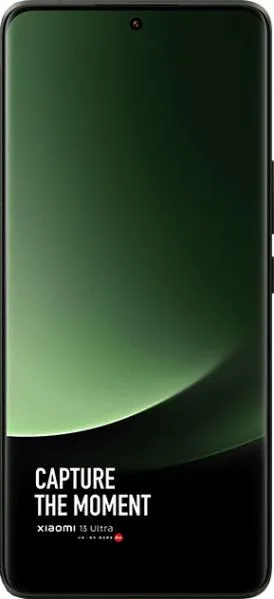
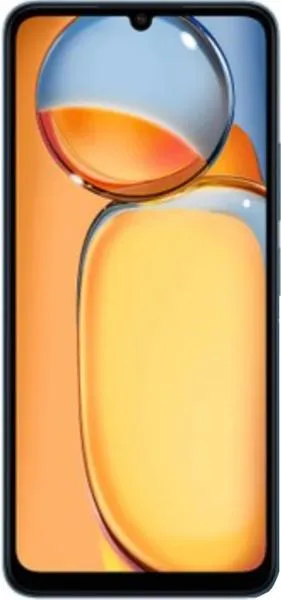
1. Specifications Comparison
| Feature | Xiaomi 13 Ultra | Xiaomi Poco C65 | Practical Impact |
|---|---|---|---|
| Design | |||
| Dimensions (mm) | 163.2 x 74.6 x 9.1 | 168 x 78 x 8.1 | The Poco C65 is noticeably larger and potentially less comfortable for one-handed use. |
| Weight (g) | 227 | 192 | The 13 Ultra is heavier, potentially noticeable during extended use but conveying a premium feel. |
| Build Materials | Not specified | Not specified | Build quality and durability comparisons cannot be made without material information. |
| Display | |||
| Display Type | 6.73" LTPO AMOLED | 6.74" IPS LCD | The 13 Ultra's AMOLED offers superior contrast, deeper blacks, and potentially better power efficiency due to individual pixel illumination. The LTPO technology enables dynamic refresh rate adjustments, saving battery. |
| Resolution | 1440 x 3200 | 720 x 1600 | The 13 Ultra has a significantly sharper and more detailed display. The Poco C65's lower resolution will result in noticeable pixelation, especially with text and images. |
| Refresh Rate | 120Hz | 90Hz | Both offer smooth scrolling, but the 13 Ultra's 120Hz provides a slightly more fluid experience. |
| Peak Brightness | 2600 nits | 600 nits (HBM), 450 nits (typ) | The 13 Ultra offers far superior brightness, ensuring excellent outdoor visibility. The Poco C65's lower brightness might hinder readability in direct sunlight. |
| Performance | |||
| Chipset | Snapdragon 8 Gen 2 | Helio G85 | The 13 Ultra's Snapdragon 8 Gen 2 is a flagship processor offering significantly faster performance, smoother multitasking, and superior gaming capabilities compared to the mid-range Helio G85 in the Poco C65. |
| CPU | Octa-core (1x3.2 GHz Cortex-X3 & 2x2.8 GHz Cortex-A715 & 2x2.8 GHz Cortex-A710 & 3x2.0 GHz Cortex-A510) | Octa-core (2x2.0 GHz Cortex-A75 & 6x1.8 GHz Cortex-A55) | The 13 Ultra's CPU architecture is more powerful and efficient. |
| GPU | Adreno 740 | Mali-G52 MC2 | The 13 Ultra's GPU delivers significantly better graphics performance for demanding games and applications. |
| RAM | 12GB/16GB | 4GB/6GB/8GB | The 13 Ultra offers more RAM, enabling smoother multitasking and better handling of demanding applications. |
| Camera | |||
| Main Camera | 50MP Sony IMX989 (1-inch sensor) | 50MP Samsung S5KJN1 | The 13 Ultra boasts a much larger sensor size, leading to superior low-light performance, wider dynamic range, and better overall image quality. |
| Other Cameras | Triple 50MP + 32MP Selfie | Dual 2MP + 8MP Selfie | The 13 Ultra offers versatile camera options with telephoto capabilities and a higher resolution selfie camera. The Poco C65 has basic supplementary cameras. |
| Video Recording | Up to 8K@24fps | Up to 1080p@30fps | The 13 Ultra offers significantly higher video resolution and frame rates. |
| Battery | |||
| Capacity | 5000 mAh | 5000 mAh | Similar battery capacities suggest comparable battery life, but real-world performance will depend on software optimization and display efficiency. The 13 Ultra's LTPO display could contribute to better battery life despite its more powerful hardware. |
| Charging Speed | Not specified | Not specified | Charging speed comparisons cannot be made without specific data. |
2. Key Differences Analysis
Xiaomi 13 Ultra Advantages:
- Flagship Performance: Significantly faster processor, GPU, and more RAM for smooth multitasking and demanding tasks.
- Superior Display: Higher resolution, brighter AMOLED with LTPO for better visuals and power efficiency.
- Advanced Camera System: Larger sensor, versatile lenses, and higher resolution video recording capabilities.
- Premium Design: While heavier, likely utilizes more premium materials (information not provided).
Xiaomi Poco C65 Advantages:
- Lower Price: Significantly more affordable.
- Lighter Weight: Easier to hold for extended periods.
- Larger Display Size (marginally): Offers slightly more screen real estate.
3. User Profiles & Recommendations
Xiaomi 13 Ultra: Ideal for power users, photographers, videographers, mobile gamers, and those who prioritize performance, display quality, and camera capabilities.
Xiaomi Poco C65: Suitable for budget-conscious users who prioritize basic functionality, large screen size, and long battery life for everyday tasks like calling, browsing, and social media. Not recommended for demanding applications or photography enthusiasts.
4. Decision Framework
Key Questions for Buyers:
- What is your budget? The 13 Ultra is a premium flagship, while the Poco C65 is a budget device.
- What are your primary use cases? Gaming, photography, and demanding tasks benefit from the 13 Ultra's power. Basic communication and web browsing suffice with the Poco C65.
- Do you prioritize display and camera quality? The 13 Ultra offers a vastly superior experience in these areas.
My Choice: Xiaomi 13 Ultra
While significantly more expensive, the Xiaomi 13 Ultra is the clear winner for me. I prioritize a smooth and responsive user experience, excellent camera capabilities, and a vibrant display. The Snapdragon 8 Gen 2, coupled with ample RAM and the high-resolution LTPO AMOLED display, guarantees a fluid and visually stunning experience. The advanced camera system with its large sensor is crucial for capturing high-quality photos and videos. While the Poco C65 offers a larger battery and lower price, the compromises in performance, display, and camera are too significant for my needs. The 13 Ultra's superior technology justifies the higher price for a long-term investment in a powerful and versatile device.
