1. Specifications Comparison
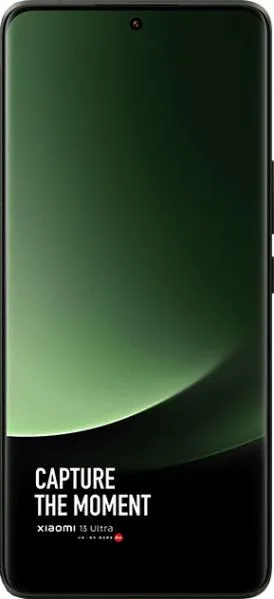
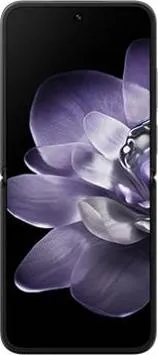
| Feature | Xiaomi 13 Ultra | Xiaomi Mix Flip | Practical Impact |
|---|---|---|---|
| Design | |||
| Dimensions (mm) | 163.2 x 74.6 x 9.1 | 167.5 x 74 x 7.6 | Mix Flip is taller and thinner, particularly when folded. 13 Ultra is slightly wider. |
| Weight (g) | 227 | 190 | 13 Ultra is noticeably heavier. Mix Flip's lighter weight enhances portability. |
| Foldable | No | Yes | Mix Flip offers greater portability when folded, but potentially compromises durability. |
| Display | |||
| Size (inches) | 6.73 | 6.86 | Mix Flip has a slightly larger display area. |
| Resolution (px) | 1440 x 3200 | 1224 x 2912 | 13 Ultra has a sharper display with higher pixel density, resulting in clearer images and text. |
| Type | LTPO AMOLED | LTPO AMOLED | Both offer excellent color accuracy, contrast, and power efficiency. |
| Refresh Rate (Hz) | 120 | 120 | Both displays provide smooth scrolling and animations. |
| Peak Brightness (nits) | 2600 | 3000 | Mix Flip can get brighter, improving outdoor visibility. |
| Performance | |||
| Chipset | Snapdragon 8 Gen 2 | Snapdragon 8 Gen 3 | Mix Flip has a newer, more powerful processor, likely resulting in faster performance and better efficiency. |
| CPU | Octa-core (up to 3.2 GHz) | Octa-core (up to 3.3 GHz) | Mix Flip has a slightly faster CPU clock speed. |
| GPU | Adreno 740 | Adreno 750 | Mix Flip's newer GPU should offer improved graphics performance for gaming and demanding applications. |
| RAM (GB) | 12 | 12 | Both phones offer ample RAM for multitasking. |
| Camera | |||
| Rear Cameras | 50MP (Wide) + 50MP (Ultrawide/Macro) + 50MP (3.2x Telephoto) + 50MP (5x Periscope) | 50MP (Wide) + 60MP (Telephoto) | 13 Ultra has a more versatile camera system with dedicated telephoto and periscope lenses for superior zoom capabilities. Mix Flip has fewer lenses but boasts a high-resolution Telephoto. |
| Front Camera | 32MP | 32MP | Similar front camera resolution. |
| Battery | |||
| Capacity (mAh) | 5000 | 4780 | 13 Ultra has a slightly larger battery capacity, potentially offering longer battery life. |
| Other | |||
| OS | Android 13 | Android 14 | Mix Flip comes with the latest Android version out of the box. |
| USB | USB Type-C 3.2 | USB Type-C 2.0 | 13 Ultra offers faster data transfer speeds and DisplayPort functionality. |
2. Key Differences Analysis
Xiaomi 13 Ultra Advantages:
- Superior Camera System: More versatile with dedicated telephoto and periscope lenses for better zoom capabilities. Leica collaboration suggests potential advantages in image quality.
- Slightly Larger Battery: May translate to longer usage time.
- Sharper Display: Higher pixel density results in crisper visuals.
- Faster USB: Enables quicker data transfer and DisplayPort functionality.
Xiaomi Mix Flip Advantages:
- Foldable Design: Offers greater portability and a unique form factor.
- Newer, More Powerful Processor: Snapdragon 8 Gen 3 provides performance and efficiency gains.
- Brighter Display: Improves outdoor visibility.
- Latest Android Version: Access to newer features and potentially longer software support.
3. User Profiles & Recommendations
Xiaomi 13 Ultra: Ideal for photography enthusiasts, power users demanding top-tier performance, and those prioritizing battery life and display sharpness.
Xiaomi Mix Flip: Suited for users who value portability and a unique, innovative design. Good for those who want a large screen in a compact form factor.
4. Decision Framework
Key Questions:
- How important is camera quality? If photography is a priority, the 13 Ultra is the clear winner.
- Do you prioritize portability or a large screen experience? The Mix Flip offers portability with its foldable design, while the 13 Ultra provides a more traditional large-screen experience.
- What is your budget? Both phones are high-priced, but the Mix Flip is significantly more expensive in the provided data. Consider the price difference in relation to your needs.
My Choice: Xiaomi 13 Ultra
While the Mix Flip's foldable design and newer processor are appealing, the Xiaomi 13 Ultra's superior camera system, slightly larger battery, and sharper display are more compelling to me. I prioritize image quality and battery life, and the 13 Ultra excels in these areas. The faster USB standard is a bonus for quicker data transfer. The price difference, based on the limited provided data, also favors the 13 Ultra. While the Mix Flip's foldable form factor is innovative, I am not convinced the benefits outweigh the potential compromises in durability and price premium in this specific comparison. The 13 Ultra provides a more well-rounded package for my needs and preferences.
