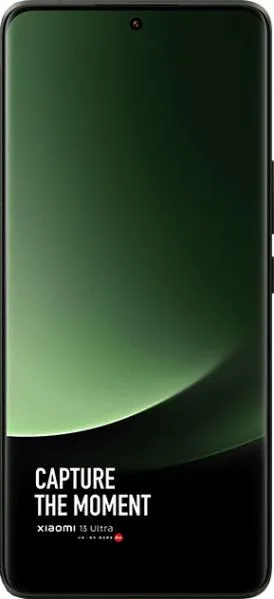
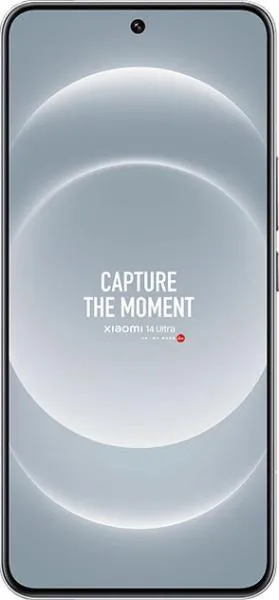
1. Specifications Comparison
| Feature | Xiaomi 13 Ultra | Xiaomi 14 Ultra | Practical Impact |
|---|---|---|---|
| Design | |||
| Dimensions (mm) | 163.2 x 74.6 x 9.1 | 161.4 x 75.3 x 9.2 | Xiaomi 14 Ultra is slightly shorter and wider, but both are large phones. Negligible difference in daily usage. |
| Weight (g) | 227 | 229.5 | Virtually identical weight; both will feel substantial in hand. |
| Display | |||
| Size (inches) | 6.73 | 6.73 | Same display size. |
| Resolution (px) | 1440 x 3200 | 1440 x 3200 | Identical resolution, resulting in sharp visuals on both. |
| Type | LTPO AMOLED | LTPO AMOLED | Both offer excellent color accuracy, deep blacks, and power efficiency. |
| Peak Brightness (nits) | 2600 | 3000 | Xiaomi 14 Ultra boasts higher peak brightness, improving outdoor visibility. |
| Refresh Rate (Hz) | 120 | 120 | Both offer smooth scrolling and animations. |
| Performance | |||
| Chipset | Snapdragon 8 Gen 2 | Snapdragon 8 Gen 3 | Gen 3 offers noticeable performance and efficiency improvements, impacting gaming, multitasking, and app loading times. |
| CPU | Octa-core (1x3.2 GHz Cortex-X3...) | Octa-core (1x3.3 GHz Cortex-X4...) | Gen 3's improved architecture and higher clock speeds deliver better performance. |
| GPU | Adreno 740 | Adreno 750 | Adreno 750 offers a significant boost in graphics performance, beneficial for demanding games and graphical applications. |
| RAM (GB) | 12 | 16 | More RAM in 14 Ultra enables better multitasking and smoother performance with multiple apps open. |
| Camera | |||
| Main Sensor | 50MP Sony IMX989 | 50MP Sony LYT-900 | Both feature large 1-inch sensors, but the LYT-900 in the 14 Ultra might offer improvements in low-light performance and dynamic range. Further details on the LYT-900 are needed for a more definitive comparison. |
| Other Cameras | 50MP Wide, 50MP Telephoto x2 | 50MP Wide, 50MP Telephoto x2 | Similar camera setups, both with versatile zoom capabilities. Specific lens improvements would need further analysis. |
| Battery | |||
| Capacity (mAh) | 5000 | 5000 | Same battery capacity. Real-world battery life will depend on software optimization and the Gen 3's efficiency improvements. |
2. Key Differences Analysis
Xiaomi 13 Ultra Advantages:
- Potentially lower price: While prices can fluctuate, the 13 Ultra is generally positioned in a higher price bracket than the listed "medium price" of the 14 Ultra. This could make it a more affordable option if pricing remains consistent.
Xiaomi 14 Ultra Advantages:
- Superior Performance: Snapdragon 8 Gen 3 and increased RAM provide a significant performance advantage.
- Brighter Display: Noticeably brighter display for better outdoor visibility.
- Newer Software: Starts with Android 14 and potentially longer software support lifecycle.
- Faster USB: Gen 2 USB offers faster data transfer speeds.
Trade-offs:
- Price vs Performance: The 14 Ultra offers significantly better performance but pricing variations need to be considered. The 13 Ultra could be a value option if the performance difference isn't a priority.
3. User Profiles & Recommendations
Xiaomi 13 Ultra:
- Users seeking a high-end camera phone with a potentially lower price point.
- Users who prioritize a well-established model with proven performance.
Xiaomi 14 Ultra:
- Power users demanding top-tier performance for gaming, multitasking, and demanding applications.
- Users who prioritize the latest hardware and software with longer support cycles.
- Users who frequently use their phone outdoors and need excellent screen visibility.
4. Decision Framework
Key Questions:
- What is your budget? The price difference will likely be a significant factor.
- How important is peak performance? For demanding tasks, the 14 Ultra is superior.
- How long do you plan to keep the phone? The 14 Ultra is likely to receive software updates for a longer period.
Scenario-Based Recommendations:
- Tight Budget: Xiaomi 13 Ultra if pricing remains lower.
- Best Performance: Xiaomi 14 Ultra.
- Long-Term Use: Xiaomi 14 Ultra for longer software support.
My Choice: Xiaomi 14 Ultra
While pricing information for the 14 Ultra appears inconsistent, assuming a competitive price within the "medium price" range, the Xiaomi 14 Ultra is the clear winner for me. The Snapdragon 8 Gen 3, combined with 16GB of RAM, offers a substantial performance leap that significantly impacts the overall user experience. The brighter display is a welcome improvement, especially for outdoor use. Future-proofing with Android 14 and the expectation of longer software updates solidify its position as the better long-term investment. While the 13 Ultra boasts an excellent camera, the potential improvements in the 14 Ultra's main sensor and the overall performance gains outweigh the potential price difference for my personal needs.
