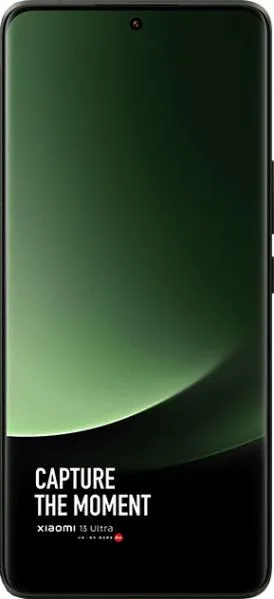
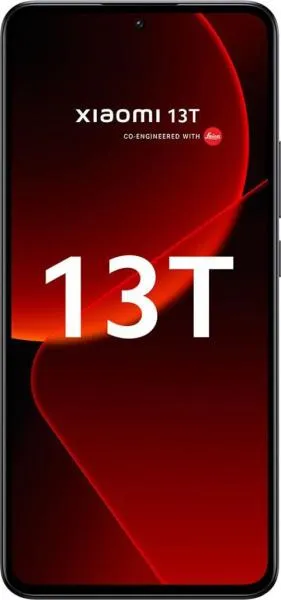
1. Specifications Comparison
| Feature | Xiaomi 13 Ultra | Xiaomi 13T | Practical Impact |
|---|---|---|---|
| Design | |||
| Dimensions (mm) | 163.2 x 74.6 x 9.1 | 162.2 x 75.7 x 8.5 | 13 Ultra slightly taller and thicker, but negligible difference in hand. |
| Weight (g) | 227 | 193 | 13 Ultra noticeably heavier; might impact one-handed use for some. |
| Build | Unspecified | Unspecified | Build quality comparison impossible without further information. |
| Display | |||
| Size (inches) | 6.73 | 6.67 | Negligible difference in screen real estate. |
| Resolution | 1440 x 3200 | 1220 x 2712 | 13 Ultra significantly sharper due to higher pixel density (522 vs 446 ppi). Noticeable in text clarity and image detail. |
| Refresh Rate (Hz) | 120 (LTPO AMOLED) | 144 (AMOLED) | 13T has a higher refresh rate, resulting in smoother animations and scrolling. 13 Ultra's LTPO allows for dynamic refresh rate adjustment for power saving. |
| Peak Brightness (nits) | 2600 | 2600 | Both offer excellent outdoor visibility. |
| Performance | |||
| Chipset | Snapdragon 8 Gen 2 | Dimensity 8200 Ultra | 8 Gen 2 generally considered more powerful, potentially offering better sustained performance in demanding tasks and gaming. |
| CPU | Octa-core (1x3.2 GHz Cortex-X3 & ...) | Octa-core (1x3.1 GHz Cortex-A78 & ...) | 13 Ultra likely has a performance edge due to the newer Cortex core architecture and higher clock speeds. |
| GPU | Adreno 740 | Mali-G610 MC6 | Adreno 740 generally outperforms Mali-G610, offering smoother gaming and faster graphics rendering. |
| RAM (GB) | 12/16 | 12 | More RAM options on the 13 Ultra; 16GB beneficial for heavy multitasking. |
| Camera | |||
| Main Camera (MP) | 50 (1-inch sensor) | 50 | 13 Ultra features a much larger sensor, promising significantly better low-light performance and depth of field. |
| Telephoto | Yes (multiple) | Yes (one) | 13 Ultra boasts a more versatile telephoto system with multiple lenses and optical zoom ranges. |
| Ultrawide | Yes | Yes | Direct comparison difficult without detailed lens specifications. |
| Battery | |||
| Capacity (mAh) | 5000 | 5000 | Similar battery capacity; real-world battery life depends on software optimization and usage patterns. |
| Charging Speed | Unspecified | Unspecified | Charging speed comparison not possible without further details. |
2. Key Differences Analysis
Xiaomi 13 Ultra Advantages:
- Superior Camera System: Significantly larger main sensor, more versatile telephoto capabilities, likely resulting in notably better image quality, especially in challenging lighting conditions.
- Higher Resolution Display: Sharper screen for enhanced media consumption and overall visual clarity.
- More Powerful Processor: Expected to offer smoother performance in demanding applications and games.
Xiaomi 13T Advantages:
- Higher Refresh Rate Display: Smoother scrolling and animations, enhancing the overall user experience.
- Lower Price: Significantly more affordable, offering excellent value for its specifications.
- Lighter and Slimmer: More comfortable for one-handed use and pocket portability.
Trade-offs:
- The 13 Ultra prioritizes camera and processing power at a premium price and heavier weight.
- The 13T offers a smoother display and a more affordable price, compromising on camera prowess and peak performance.
3. User Profiles & Recommendations
Xiaomi 13 Ultra: Ideal for photography enthusiasts, power users, and those who demand the best possible display and performance, regardless of cost. Excellent for:
- Professional/Serious Photography: Capturing high-quality images and videos in various scenarios.
- Demanding Mobile Gaming: Running graphically intensive games at high settings.
- Content Creation: Editing photos and videos on the go.
Xiaomi 13T: Suitable for users seeking a balance of performance, features, and affordability. Excellent for:
- Everyday Use: Social media, web browsing, casual gaming, and general smartphone tasks.
- Users Sensitive to Price: Offers excellent value without significant compromises.
- Those Prioritizing Smooth Display: Appreciates the fluidity of a high refresh rate screen.
4. Decision Framework
Key Questions for Buyers:
- What is your budget? The 13 Ultra is significantly more expensive.
- Is camera quality your top priority? The 13 Ultra offers a substantial advantage in this area.
- Do you prioritize absolute performance or a smoother display? The 13 Ultra provides raw power, while the 13T excels in display fluidity.
My Choice: Xiaomi 13T
While the Xiaomi 13 Ultra boasts impressive specifications, especially in the camera department, the Xiaomi 13T offers a compelling balance of performance, features, and affordability that aligns better with my personal needs and priorities. The smoother 144Hz display, lighter weight, and significantly lower price outweigh the benefits of the 13 Ultra's superior camera and processing power for my everyday usage. As someone who values a fluid user experience and sensible spending, the 13T emerges as the more practical choice. I am not a professional photographer, so the 13 Ultra's advanced camera features, while impressive, wouldn't be fully utilized in my typical usage. The price difference is substantial enough to invest in other gadgets or experiences.
