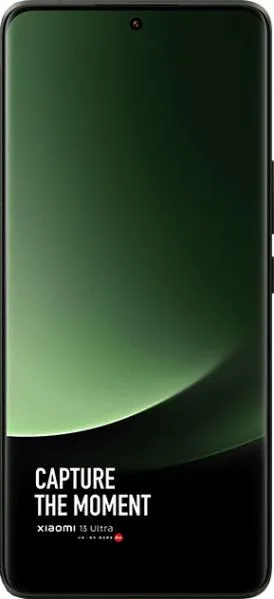

1. Specifications Comparison
| Feature | Xiaomi 13 Ultra | vivo X100 Pro | Practical Impact |
|---|---|---|---|
| Design | |||
| Dimensions (mm) | 163.2 x 74.6 x 9.1 | 164.1 x 75.3 x 8.9 | X100 Pro slightly taller and wider, both are relatively thin. Negligible difference in daily use. |
| Weight (g) | 227 | 221 | X100 Pro slightly lighter, but the difference is minimal. |
| Display | |||
| Size (inches) | 6.73 | 6.78 | X100 Pro has a marginally larger display. |
| Resolution (px) | 1440 x 3200 | 1260 x 2800 | Xiaomi 13 Ultra has a significantly sharper display (WQHD+ vs. FHD+). Noticeably clearer text and images. |
| Panel Type | LTPO AMOLED | LTPO AMOLED | Both offer excellent color accuracy, contrast, and power efficiency. |
| Peak Brightness (nits) | 2600 | 3000 | X100 Pro boasts higher peak brightness, improving outdoor visibility. |
| Refresh Rate (Hz) | 120 | 120 | Both offer smooth scrolling and animations. |
| Color Depth | 68B | 1B | 13 Ultra offers more color nuance, potentially beneficial for content creators, but likely imperceptible to most users. |
| Performance | |||
| Chipset | Snapdragon 8 Gen 2 | Dimensity 9300 | Both are high-end chipsets offering top-tier performance. Dimensity 9300 benchmarks slightly higher in some areas, but real-world difference likely minimal. |
| CPU | Octa-core (1x3.2 GHz X3 & ...) | Octa-core (1x3.25 GHz X4 & ...) | Both offer excellent multi-core performance for demanding tasks. |
| GPU | Adreno 740 | Immortalis-G720 MC12 | Both GPUs handle demanding games and graphics smoothly. Adreno 740 generally considered slightly more powerful based on benchmarks. |
| RAM (GB) | 12/16 | 16 | Vivo offers more RAM in the compared variant, potentially improving multitasking performance. |
| Camera | |||
| Main Sensor | 50MP Sony IMX989 (1") | 50MP Sony IMX989 (1") | Both utilize a large 1-inch sensor, promising excellent low-light performance and dynamic range. |
| Other Cameras | 50MP Ultrawide, 50MP Telephoto (3.2x & 5x) | 50MP Ultrawide, 50MP Telephoto (4.3x) | Xiaomi offers more versatile telephoto options; Vivo has stronger macro capabilities. |
| DxOMark Score | 140 | 150 | Vivo X100 Pro scores higher overall on DxOMark, indicating potentially superior image quality. However, real-world results and user preferences may vary. |
| Battery | |||
| Capacity (mAh) | 5000 | 5400 | Vivo offers a larger battery, likely translating to longer battery life. |
2. Key Differences Analysis
Xiaomi 13 Ultra Advantages:
- Sharper Display: The WQHD+ resolution offers a noticeable improvement in clarity.
- More Versatile Telephoto Cameras: Two telephoto lenses provide greater flexibility for zoomed shots.
- Potentially wider GPU performance: Adreno 740 might offer better gaming experience in certain titles.
vivo X100 Pro Advantages:
- Brighter Display: Better visibility in direct sunlight.
- Larger Battery: Potentially longer usage time between charges.
- Higher DxOMark Score: Suggests potentially better overall camera performance, specifically in low light.
- Lower Price: Offers flagship features at a more affordable price point.
- Higher RAM in compared variant: Better multitasking performance.
Trade-offs:
- Xiaomi 13 Ultra: Higher price for a sharper display and more versatile camera system.
- vivo X100 Pro: Lower resolution display for a larger battery and lower price.
3. User Profiles & Recommendations
Xiaomi 13 Ultra: Ideal for users who prioritize display sharpness, camera versatility (especially zoom), and demand top-tier performance. Suitable use cases include:
- Photography enthusiasts: The versatile camera system and manual controls cater to serious photographers.
- Content creators: High-resolution display and powerful hardware for editing photos and videos.
- Power users: Demanding tasks and gaming.
vivo X100 Pro: Ideal for users who prioritize battery life, camera quality, and value for money. Suitable use cases include:
- Everyday users: Long battery life and excellent camera for capturing everyday moments.
- Social media enthusiasts: High-quality camera and bright display for sharing photos and videos.
- Budget-conscious users: Flagship-level features at a more affordable price.
4. Decision Framework
Key Questions for Buyers:
- How important is display sharpness to you? Are you willing to pay a premium for WQHD+ resolution?
- What is your primary use for the camera? Do you need versatile zoom options or prioritize overall image quality?
- What is your budget? Is the premium price of the Xiaomi 13 Ultra justified for your needs?
My Choice: vivo X100 Pro
While the Xiaomi 13 Ultra boasts a sharper display and arguably more versatile camera system, the vivo X100 Pro offers a compelling combination of performance, camera quality, battery life, and price. The slightly larger battery and brighter display are significant advantages for my daily usage. The DxOMark score suggests superior overall camera performance, especially in low-light conditions, which I prioritize. Finally, the lower price of the X100 Pro makes it a better value proposition for my needs. While I appreciate a sharp display, the difference between FHD+ and WQHD+ is not a dealbreaker for me considering the other benefits offered by the Vivo X100 Pro. Ultimately, the Vivo provides a more balanced package that aligns better with my priorities and budget.
