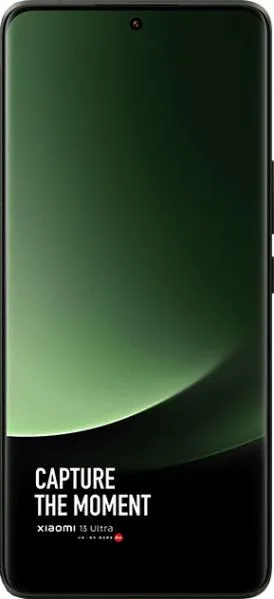
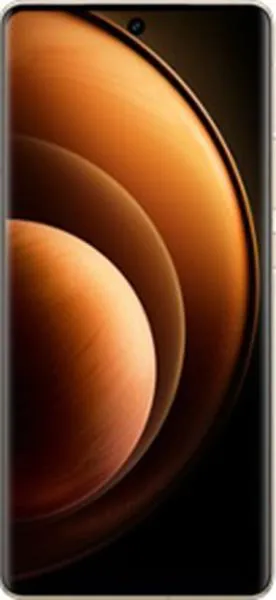
1. Specifications Comparison
| Feature | Xiaomi 13 Ultra | vivo X100 | Practical Impact |
|---|---|---|---|
| Design | |||
| Dimensions (mm) | 163.2 x 74.6 x 9.1 | 164.1 x 75.2 x 8.5 | X100 slightly taller and wider, but thinner. Negligible difference in daily use. |
| Weight (g) | 227 | 202 | X100 noticeably lighter, reducing hand fatigue during extended use. |
| Display | |||
| Size (inches) | 6.73 | 6.78 | X100 marginally larger; both offer immersive viewing experiences. |
| Resolution | 1440 x 3200 | 1260 x 2800 | 13 Ultra significantly sharper (522 ppi vs 452 ppi), resulting in crisper text and images. |
| Type | LTPO AMOLED | LTPO AMOLED | Both offer excellent contrast, vibrant colors, and power efficiency. |
| Peak Brightness (nits) | 2600 | 3000 | X100 boasts higher peak brightness, improving outdoor visibility. |
| Color Depth | 68B | 1B | 13 Ultra supports a wider color gamut, potentially offering more nuanced color reproduction for professionals. |
| Performance | |||
| Chipset | Snapdragon 8 Gen 2 | Dimensity 9300 | Both are flagship chipsets offering top-tier performance. 9300's performance relative to 8 Gen 2 needs further benchmarking. |
| CPU | Octa-core (up to 3.2 GHz) | Octa-core (up to 3.25 GHz) | Both CPUs offer excellent performance. Real-world difference likely negligible for average users. |
| GPU | Adreno 740 | Immortalis-G720 MC12 | Both are powerful GPUs; gaming performance differences require real-world testing. |
| RAM | 12GB | 12GB | Both offer ample RAM for multitasking and smooth performance. |
| Camera | |||
| Main Camera | 50MP, 1" Sony IMX989 | 50MP, Sony IMX920 | 13 Ultra boasts a larger sensor, potentially capturing more light and detail, especially in low light. |
| Telephoto | Variable, up to 5x optical | 3x optical, 64MP sensor | 13 Ultra offers more versatile zoom capabilities. X100 utilizes a higher resolution sensor for its telephoto lens. |
| Ultrawide | 50MP | 50MP | Comparable resolution; practical differences would depend on lens quality and processing. |
| Battery | |||
| Capacity | 5000 mAh | 5000 mAh | Similar battery capacity; actual battery life depends on optimization and usage. |
| Other | |||
| USB Version | 3.2 | 2.0 | 13 Ultra supports significantly faster data transfer speeds. |
| Price | High | Medium | Significant price difference; X100 offers better value for its price. |
2. Key Differences Analysis
Xiaomi 13 Ultra Advantages:
- Superior Display: Sharper resolution and wider color gamut.
- More Versatile Camera System: Larger main sensor, variable telephoto zoom.
- Faster Data Transfer: USB 3.2
vivo X100 Advantages:
- Lighter and Slimmer Design: More comfortable for one-handed use.
- Brighter Display: Better outdoor visibility.
- Significantly Lower Price: Offers excellent value for its specifications.
3. User Profiles & Recommendations
Xiaomi 13 Ultra: Ideal for photography enthusiasts, professionals needing accurate color representation, and users prioritizing display sharpness. Suitable use cases include professional photography/videography, content creation, and consuming high-resolution media.
vivo X100: Best suited for users seeking a balance of performance, design, and affordability. Excellent choice for everyday tasks, social media, gaming, and general smartphone use.
4. Decision Framework
Key Questions for Buyers:
- What is your budget? The 13 Ultra is significantly more expensive.
- What are your photography needs? The 13 Ultra offers a more advanced camera system.
- What is your priority: display quality or portability? The 13 Ultra has a sharper display, while the X100 is lighter and more compact.
My Choice: vivo X100
While the Xiaomi 13 Ultra boasts impressive specifications, particularly in the camera and display departments, the vivo X100 offers a compelling balance of performance, features, and affordability. The price difference is substantial, and the X100 still delivers a great user experience with its powerful chipset, bright AMOLED display, and capable camera system. For my personal needs, the lighter weight and slimmer design of the X100, coupled with its lower price, make it the more appealing choice. The marginal differences in performance and display sharpness wouldn't outweigh the significant cost savings and improved portability for my everyday usage. The lack of detailed video capabilities for the X100 is a concern, but not a deal breaker considering its overall package.
