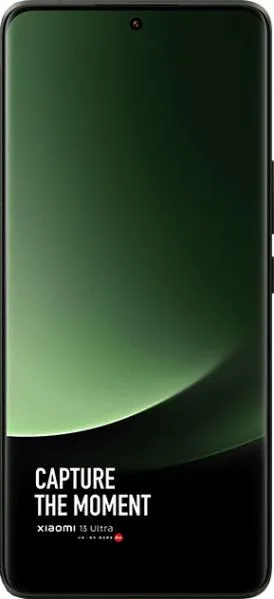
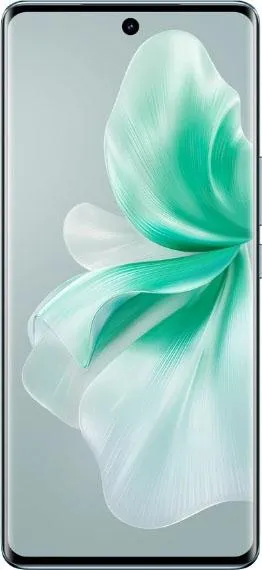
1. Specifications Comparison
| Feature | Xiaomi 13 Ultra | vivo V30 | Practical Impact |
|---|---|---|---|
| Design | |||
| Dimensions (mm) | 163.2 x 74.6 x 9.1 | 164.4 x 75.1 x 7.5 | The Vivo V30 is slightly taller and wider, but noticeably thinner than the Xiaomi 13 Ultra. The Xiaomi feels more substantial in hand. |
| Weight (g) | 227 | 186 | The Vivo V30 is significantly lighter, making it more comfortable for extended use and one-handed operation. |
| Display | |||
| Size (inches) | 6.73 | 6.78 | Negligible difference in screen real estate. |
| Resolution | 1440 x 3200 | 1260 x 2800 | The Xiaomi 13 Ultra has a sharper display with significantly higher pixel density, resulting in crisper text and images. |
| Panel Type | LTPO AMOLED | AMOLED | Both offer vibrant colors and deep blacks. The Xiaomi's LTPO panel allows for a dynamic refresh rate, potentially saving battery life. |
| Peak Brightness (nits) | 2600 | 2800 (claimed) | The Vivo V30 boasts a higher peak brightness (needs real-world verification), potentially improving outdoor visibility. |
| Performance | |||
| Chipset | Snapdragon 8 Gen 2 | Snapdragon 7 Gen 3 | The Xiaomi 13 Ultra features a flagship processor, delivering significantly better performance in demanding tasks like gaming and multitasking. |
| CPU | Octa-core (up to 3.2 GHz) | Octa-core (up to 2.63 GHz) | The Xiaomi's higher clock speeds and superior core architecture translate to faster app loading, smoother UI, and better gaming performance. |
| RAM | 12GB | 8GB | The Xiaomi offers more RAM, enabling better multitasking and preventing apps from closing in the background. |
| Camera | |||
| Main Camera | 50MP, 1-inch sensor | 50MP, 1/1.55-inch sensor | The Xiaomi 13 Ultra's larger sensor allows for superior light capture, potentially resulting in better low-light performance and depth of field. Leica collaboration suggests superior image processing. |
| Telephoto | Variable, up to 5x optical | No dedicated telephoto lens mentioned | The Xiaomi provides optical zoom capabilities for capturing distant subjects without loss of detail, a significant advantage. |
| Video | Up to 8K@24fps | Up to 4K@30fps | The Xiaomi offers higher resolution video recording and more frame rate options. |
| Battery | |||
| Capacity | 5000 mAh | 5000 mAh | Similar battery capacity suggests comparable battery life, though real-world usage will vary depending on other factors. |
| USB Version | 3.2 | 2.0 | Xiaomi offers significantly faster data transfer speeds and potentially faster charging (dependent on charger implementation). |
2. Key Differences Analysis
Xiaomi 13 Ultra Advantages:
- Flagship Performance: The Snapdragon 8 Gen 2 and ample RAM provide a significantly smoother and more powerful user experience.
- Superior Camera System: The 1-inch sensor, Leica collaboration, and versatile lens setup offer a clear advantage in image quality and flexibility.
- Sharper Display: Higher resolution and LTPO technology provide a more visually appealing and potentially more power-efficient display.
- Faster Data Transfer: USB 3.2 enables quick file transfers.
vivo V30 Advantages:
- Lighter and Slimmer: More comfortable for one-handed use and portability.
- Lower Price: Offers a more budget-friendly option.
3. User Profiles & Recommendations
Xiaomi 13 Ultra: Ideal for power users, photography enthusiasts, and those who demand the best possible performance and camera quality. Excellent for demanding mobile gaming, content creation, and professional photography.
vivo V30: Suitable for casual users prioritizing a lightweight design and affordability. Good for everyday tasks, social media, and light gaming.
4. Decision Framework
Key Questions:
- What is your budget? The Xiaomi 13 Ultra is a premium flagship, while the vivo V30 is mid-range.
- What are your primary use cases? Consider whether you need top-tier performance for gaming or demanding applications, or if a mid-range chipset is sufficient.
- How important is camera quality? The Xiaomi significantly outperforms the Vivo in camera capabilities.
My Choice: Xiaomi 13 Ultra
While the Vivo V30 offers a lighter and more affordable option, the Xiaomi 13 Ultra is the clear winner for me. The superior performance, significantly better camera system, and sharper display are compelling advantages. The price difference is substantial, but justified by the leap in quality and capabilities. I prioritize performance, a great camera, and a premium user experience, making the Xiaomi 13 Ultra the better choice despite its higher price and weight. The faster data transfer speeds are also a significant plus for my workflow.
