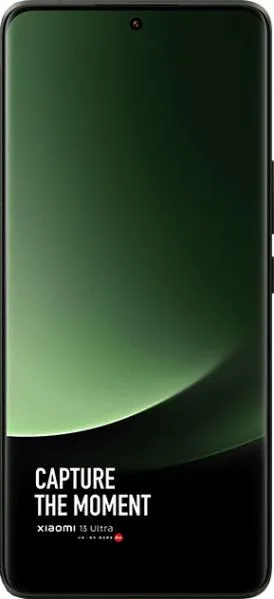
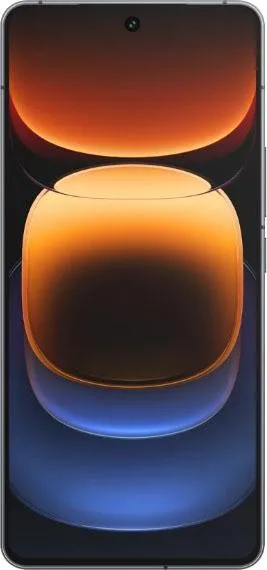
1. Specifications Comparison
| Feature | Xiaomi 13 Ultra | vivo iQOO 12 | Practical Impact |
|---|---|---|---|
| Design | |||
| Dimensions (mm) | 163.2 x 74.6 x 9.1 | 163.2 x 75.9 x 8.1 | iQOO 12 is slightly wider but thinner and lighter. |
| Weight (g) | 227 | 198.5 | Noticeable weight difference; iQOO 12 will feel more comfortable for extended use. |
| Display | |||
| Size (inches) | 6.73 | 6.78 | Negligible difference in screen real estate. |
| Resolution (px) | 1440 x 3200 | 1260 x 2800 | Xiaomi 13 Ultra has a sharper display (522 ppi vs 453 ppi), resulting in crisper text and images. |
| Refresh Rate (Hz) | 120 | 144 | iQOO 12 offers smoother scrolling and animations with its higher refresh rate, especially noticeable in gaming. |
| Peak Brightness (nits) | 2600 | 3000 | iQOO 12's higher peak brightness improves outdoor visibility. |
| Display Type | LTPO AMOLED | LTPO AMOLED | Both offer excellent color accuracy and power efficiency. Xiaomi supports Dolby Vision for enhanced HDR content. |
| Performance | |||
| Chipset | Snapdragon 8 Gen 2 | Snapdragon 8 Gen 3 | iQOO 12 boasts the newer, more powerful chipset, leading to faster performance and better efficiency. |
| CPU | Octa-core (up to 3.2 GHz) | Octa-core (up to 3.3 GHz) | iQOO 12 has a slight CPU clock speed advantage. |
| GPU | Adreno 740 | Adreno 750 | iQOO 12's newer GPU delivers superior graphics performance for demanding games and applications. |
| RAM (GB) | 12 | 16 | iQOO 12 offers more RAM in its base configuration, enabling better multitasking and smoother performance with demanding apps. |
| Camera | |||
| Rear Cameras | 50MP (Wide) + 50MP (Ultrawide+Macro) + 50MP (Telephoto) + 50MP (Periscope Telephoto) | 50MP (Wide) + 50MP (Ultrawide+Macro) + 64MP (Telephoto) | Xiaomi 13 Ultra features a Leica-tuned quad-camera system with a unique 1-inch main sensor, potentially offering superior image quality and versatility. iQOO 12 has a triple camera setup. We lack DxOMark scores for the iQOO 12 to make a definitive comparison. |
| Front Camera | 32MP | 16MP | Xiaomi has a higher resolution front camera. |
| Battery | |||
| Capacity (mAh) | 5000 | 5000 | Similar battery capacities suggest comparable battery life, though real-world usage will vary. |
| USB Version | 3.2 | 2.0 | Xiaomi 13 Ultra's USB 3.2 offers significantly faster data transfer speeds. |
2. Key Differences Analysis
Xiaomi 13 Ultra Advantages:
- Superior Display Sharpness: Higher pixel density offers a noticeably crisper viewing experience.
- Potentially Better Camera System: Leica collaboration and unique hardware suggest superior image quality, but this needs further real-world testing and comparison with iQOO 12 image samples as DxOMark scores are not available for iQOO 12.
- Faster Data Transfer: USB 3.2 enables quicker file transfers and potentially faster charging.
- Dolby Vision: Enhanced HDR experience for supported content.
vivo iQOO 12 Advantages:
- More Powerful Performance: Newer chipset and GPU deliver noticeable improvements in speed and graphics.
- Higher Refresh Rate Display: Smoother and more responsive user experience, particularly for gaming.
- Brighter Display: Better visibility in direct sunlight.
- Lower Price: Significantly more affordable.
- More RAM: Better multitasking and performance with demanding applications.
Trade-offs:
- Xiaomi 13 Ultra: Higher price for premium features like the camera system and sharper display. Heavier and thicker design.
- vivo iQOO 12: Lower resolution display. Camera performance is unknown without further testing. Slower data transfer speeds.
3. User Profiles & Recommendations
Xiaomi 13 Ultra: Ideal for photography enthusiasts, professionals seeking top-tier camera capabilities, and users who prioritize display sharpness and premium design.
vivo iQOO 12: Suitable for gamers, users who value smooth performance and a fast refresh rate display, and budget-conscious buyers seeking excellent value.
4. Decision Framework
Key Questions for Buyers:
- What is your budget? The Xiaomi 13 Ultra is significantly more expensive.
- What are your primary use cases? Photography enthusiasts will lean towards the Xiaomi, while gamers might prefer the iQOO 12.
- Do you prioritize display sharpness or refresh rate? The Xiaomi offers a sharper image, while the iQOO 12 provides smoother scrolling and animations.
My Choice: vivo iQOO 12
Reasons:
While the Xiaomi 13 Ultra boasts impressive camera hardware and a sharper display, the vivo iQOO 12 offers a compelling combination of performance, a smooth display, and affordability. The Snapdragon 8 Gen 3 and Adreno 750 provide a significant performance advantage for future-proofing and demanding tasks. The 144Hz refresh rate delivers a noticeably smoother user experience. Importantly, the iQOO 12 achieves this at a much lower price point. While the camera quality of the iQOO 12 is uncertain, the overall package provides excellent value for its price, making it my preferred choice. The lighter weight is also a plus for daily use. I am willing to compromise on ultimate camera quality (pending real-world comparisons) and slight display sharpness for the significant gains in performance, affordability, and daily usability.
