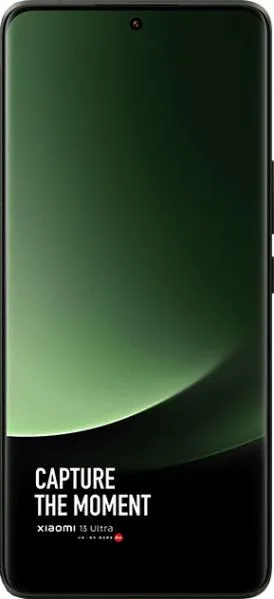
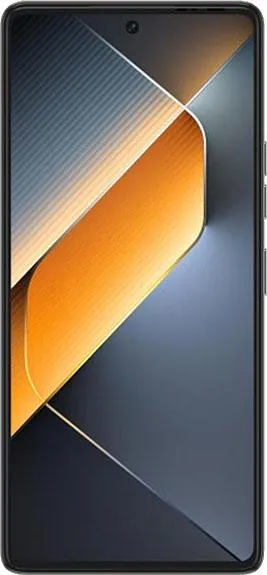
1. Specifications Comparison
| Feature | Xiaomi 13 Ultra | Tecno Pova 6 Pro | Practical Impact |
|---|---|---|---|
| Design | |||
| Dimensions (mm) | 163.2 x 74.6 x 9.1 | 165.5 x 76.1 x 7.9 | Xiaomi is slightly smaller and thinner. Pova 6 Pro might feel larger in hand. |
| Weight (g) | 227 | 198 | Pova 6 Pro is noticeably lighter, reducing hand fatigue during extended use. |
| Build | Missing | Missing | Build quality and materials impact durability and premium feel; information is lacking for comparison. |
| Display | |||
| Display Type | 6.73" LTPO AMOLED | 6.78" AMOLED | Both offer vibrant colors and deep blacks. Xiaomi's LTPO enables dynamic refresh rate, saving battery. |
| Resolution | 1440 x 3200 | 1080 x 2436 | Xiaomi offers significantly sharper visuals (522 ppi vs 393 ppi), noticeable in text and image clarity. |
| Refresh Rate | 120Hz | 120Hz | Both offer smooth scrolling and animations. |
| Peak Brightness | 2600 nits | 1300 nits | Xiaomi's display is much brighter, ensuring better visibility in direct sunlight. |
| HDR | Dolby Vision, HDR10+ | Xiaomi supports wider HDR formats, resulting in better video quality with compatible content. | |
| Performance | |||
| Chipset | Snapdragon 8 Gen 2 | Dimensity 6080 | Xiaomi boasts a flagship processor, delivering significantly faster performance in demanding tasks and gaming. |
| CPU | Octa-core (up to 3.2 GHz) | Octa-core (up to 2.4 GHz) | Xiaomi's CPU offers higher clock speeds and a more powerful architecture, translating to superior responsiveness. |
| GPU | Adreno 740 | Mali-G57 MC2 | Xiaomi's GPU provides a substantial gaming performance advantage. |
| RAM | 12GB/16GB | 12GB | While both offer ample RAM for multitasking, the Xiaomi configurations offer even more headroom for future-proofing. |
| Camera | |||
| Main Camera | 50MP, 1" sensor | 108MP | Xiaomi's larger sensor likely performs better in low light, despite lower resolution. The 1-inch sensor size is significant. |
| Other Cameras | 50MP Ultrawide, 50MP Telephoto (2x), 50MP Periscope Telephoto (5x) | 2MP Depth, unspecified third sensor | Xiaomi offers a more versatile camera system with high-quality telephoto capabilities. Tecno's third rear camera specs are vague. |
| Video | 8K@24fps, 4K@60fps | 1440p@30fps | Xiaomi offers significantly higher resolution video recording capabilities. |
| Battery | |||
| Capacity | 5000 mAh | 6000 mAh | Tecno offers a larger battery capacity, potentially lasting longer on a single charge. |
| Charging Speed | Missing | Missing | Charging speed significantly impacts usability; this information is crucial for comparison. |
2. Key Differences Analysis
Xiaomi 13 Ultra Advantages:
- Flagship Performance: Significantly faster processor, GPU, and more RAM for demanding tasks and gaming.
- Superior Display: Higher resolution, LTPO technology, and much brighter screen.
- Versatile Camera System: High-quality Leica-tuned lenses, larger main sensor, and powerful telephoto capabilities.
- Premium Features: Dolby Vision, wider range of 5G bands, USB 3.2 with DisplayPort.
Tecno Pova 6 Pro Advantages:
- Larger Battery: Potentially longer battery life.
- Lower Price: Significantly more affordable.
- Lighter Weight: More comfortable for extended use.
Trade-offs:
- Xiaomi: Higher price for premium features and performance.
- Tecno: Compromises on performance, display, and camera for affordability and battery life.
3. User Profiles & Recommendations
Xiaomi 13 Ultra: Ideal for users who prioritize performance, photography, and a premium experience. Suitable for demanding tasks, gaming, content creation, and those who value the best display technology.
Tecno Pova 6 Pro: Best suited for budget-conscious users who prioritize battery life and basic smartphone functionality. Suitable for everyday tasks, social media, web browsing, and users who don't require top-tier performance or camera capabilities.
4. Decision Framework
Key Questions for Buyers:
- What is your budget? The Xiaomi 13 Ultra is a high-end flagship, while the Tecno Pova 6 Pro is significantly more affordable.
- What are your primary smartphone usage patterns? Consider whether you need top-tier performance for gaming or demanding tasks, or if basic functionality suffices.
- How important is camera quality to you? The Xiaomi 13 Ultra offers a vastly superior camera system.
My Choice: Xiaomi 13 Ultra
While the Tecno Pova 6 Pro offers excellent value for its price, the Xiaomi 13 Ultra is my choice. I prioritize a smooth and responsive user experience, a high-quality display, and a versatile camera system. The Snapdragon 8 Gen 2, the bright LTPO AMOLED display, and the Leica-tuned camera system are compelling features that justify the higher price for me. The significant advancements in camera technology, particularly the 1-inch sensor, would significantly enhance my mobile photography experience. While battery life is important, I value performance and overall user experience more. The faster charging speeds (though unspecified) of modern flagships usually offset the capacity difference in practical use. I am willing to pay a premium for a device that delivers a superior experience across the board.
