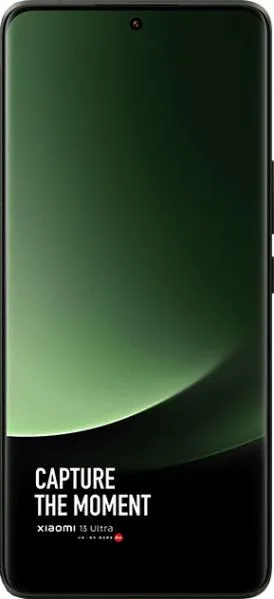
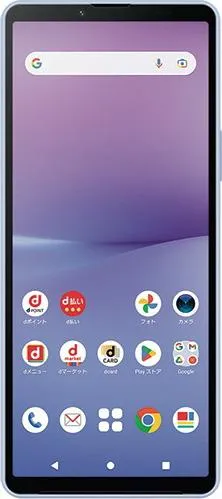
1. Specifications Comparison
| Feature | Xiaomi 13 Ultra | Sony Xperia 10 V | Practical Impact |
|---|---|---|---|
| Design | |||
| Dimensions (mm) | 163.2 x 74.6 x 9.1 | 155 x 68 x 8.3 | Xperia 10 V is noticeably smaller and more pocketable. |
| Weight (g) | 227 | 159 | Xperia 10 V is significantly lighter, reducing hand fatigue. |
| Build | Material specifications missing for both, limiting comparison. | ||
| Display | |||
| Size (inches) | 6.73 | 6.1 | 13 Ultra offers a larger screen for more immersive content consumption. |
| Resolution | 1440 x 3200 | 1080 x 2520 | 13 Ultra has a much sharper display with finer details. |
| Technology | LTPO AMOLED | OLED | Both offer excellent contrast, but 13 Ultra's LTPO panel allows for dynamic refresh rate adjustment, saving battery. |
| Refresh Rate | 120Hz | Unspecified | 13 Ultra provides smoother scrolling and animations. Missing refresh rate for Xperia limits comparison. |
| Peak Brightness | 2600 nits | Unspecified | 13 Ultra should offer superior outdoor visibility. Missing peak brightness for Xperia limits comparison. |
| Performance | |||
| Chipset | Snapdragon 8 Gen 2 | Snapdragon 695 5G | 13 Ultra boasts a flagship processor, significantly outperforming the Xperia 10 V in demanding tasks and gaming. |
| CPU | Octa-core (up to 3.2 GHz) | Octa-core (up to 2.2 GHz) | 13 Ultra offers faster processing speeds for quicker app loading and multitasking. |
| GPU | Adreno 740 | Adreno 619 | 13 Ultra's GPU provides a substantial advantage in gaming and graphics-intensive applications. |
| RAM | 12GB/16GB | 6GB/8GB | More RAM in the 13 Ultra enables smoother multitasking and better handling of demanding applications. |
| Camera | |||
| Main Camera | 50MP, 1-inch sensor | 48MP, 1/2-inch sensor | 13 Ultra's larger sensor and Leica lens likely produce superior image quality, especially in low light. |
| Ultrawide | 50MP | 8MP | Significant resolution difference; 13 Ultra's ultrawide will capture much more detail. |
| Telephoto | 50MP (2x & 5x) | 8MP | 13 Ultra offers superior zoom capabilities and resolution. |
| Battery | |||
| Capacity | 5000 mAh | 5000 mAh | Similar battery capacity, but 13 Ultra's LTPO display might offer better battery life due to variable refresh rate. |
2. Key Differences Analysis
Xiaomi 13 Ultra Advantages:
- Flagship Performance: Significantly faster processor, GPU, and more RAM.
- Superior Display: Higher resolution, refresh rate, peak brightness, and LTPO technology.
- Advanced Camera System: Larger sensors, Leica lenses, and versatile zoom capabilities.
Sony Xperia 10 V Advantages:
- Lighter and More Compact: Easier to handle and carry.
- Lower Price: Significantly more affordable.
3. User Profiles & Recommendations
Xiaomi 13 Ultra: Ideal for power users, photographers, videographers, and gamers who demand top-tier performance and features. Excellent for content creation and consumption.
Sony Xperia 10 V: Suitable for budget-conscious users who prioritize portability and battery life over top-end performance. Best for everyday tasks, social media, and light gaming.
4. Decision Framework
Key Questions:
- What is your budget? The 13 Ultra is a premium device, while the Xperia 10 V is mid-range.
- What are your primary use cases? Demanding tasks, gaming, and photography/videography favor the 13 Ultra. Casual use, portability, and affordability favor the Xperia 10 V.
- Do you prioritize performance or portability? The 13 Ultra offers superior performance, but the Xperia 10 V is lighter and smaller.
My Choice: Xiaomi 13 Ultra
While the Sony Xperia 10 V offers a compelling price point and greater portability, the Xiaomi 13 Ultra is the clear winner for me. I prioritize performance, a high-quality display, and advanced camera capabilities. The 13 Ultra's Snapdragon 8 Gen 2, stunning LTPO AMOLED display, and Leica-branded camera system make it a truly exceptional device. The significant difference in processing power, camera quality, and display technology justifies the higher price for my needs. While heavier, the superior user experience offered by the 13 Ultra outweighs the portability benefit of the Xperia 10 V.
