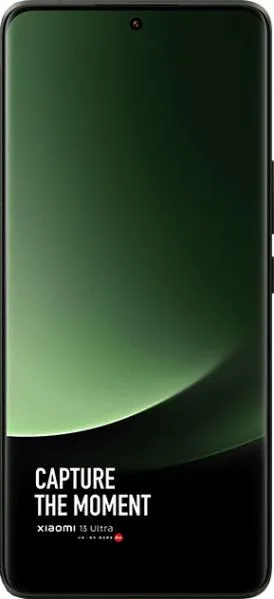
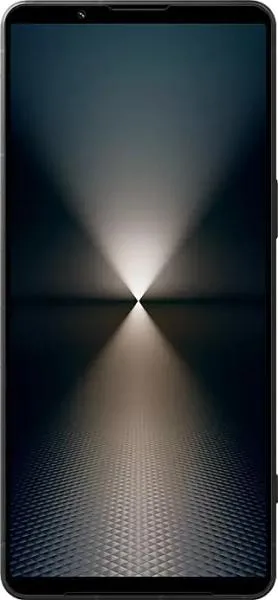
1. Specifications Comparison
| Feature | Xiaomi 13 Ultra | Sony Xperia 1 VI | Practical Impact |
|---|---|---|---|
| Design | |||
| Dimensions (mm) | 163.2 x 74.6 x 9.1 | 162 x 74 x 8.2 | Xperia 1 VI is slightly thinner and lighter, making it potentially more pocketable. |
| Weight (g) | 227 | 192 | Noticeable weight difference; Xperia 1 VI will feel less bulky in hand and easier to hold for extended periods. |
| Display | |||
| Size (inches) | 6.73 | 6.5 | Xiaomi offers a larger screen for more immersive media consumption. |
| Resolution | 1440 x 3200 | 1080 x 2340 | Xiaomi boasts a significantly sharper display (522 ppi vs 396 ppi), resulting in crisper text and images. |
| Type | LTPO AMOLED | LTPO OLED | Both are high-quality displays with adaptive refresh rates up to 120Hz for smooth scrolling. While both offer excellent contrast, AMOLED generally produces more vibrant colors. Data is insufficient to compare HDR capabilities due to lack of HDR specs for the Sony phone. |
| Performance | |||
| Chipset | Snapdragon 8 Gen 2 | Snapdragon 8 Gen 3 | Xperia 1 VI features a newer generation processor, likely resulting in faster performance and improved efficiency. |
| CPU | Octa-core (1x3.2 GHz Cortex-X3 & ...) | Octa-core (1x3.3 GHz Cortex-X4 & ...) | Both offer top-tier CPU performance, but the Xperia 1 VI's newer architecture should provide a performance edge, particularly in demanding tasks. |
| GPU | Adreno 740 | Adreno 750 | Xperia 1 VI's newer GPU should deliver better gaming and graphics performance. |
| RAM | 12GB | 12GB | Both phones have ample RAM for multitasking. |
| Camera | |||
| Main Camera | 50MP, Sony IMX989, 1-inch sensor | 48MP, Sony IMX888, 1/1.4-inch sensor | Xiaomi features a larger sensor, potentially capturing more light and detail, especially in low light. Sony emphasizes zoom capabilities (7.1x optical) vs. Xiaomi's variable aperture and Leica lens collaboration. |
| Other Cameras | 50MP Wide, 50MP Telephoto (2x), 50MP Periscope Telephoto | 12.2MP ultrawide, 12MP Telephoto | Xiaomi offers higher resolution across all lenses, while Sony provides a more traditional lens combination with a dedicated ultrawide. |
| Video | 8K@24fps, 4K@60fps | 4K@120fps | Both offer high-quality video recording. Sony excels with 4K slow-motion at 120fps. Xiaomi offers 8K recording. |
| Battery | |||
| Capacity | 5000 mAh | 5000 mAh | Similar battery capacities suggest comparable battery life, although real-world usage will vary. |
2. Key Differences Analysis
Xiaomi 13 Ultra Advantages:
- Superior Display: Sharper resolution and potentially more vibrant colors due to AMOLED technology. Larger screen size.
- Larger Camera Sensor: Potentially better low-light performance and depth of field.
- Leica Collaboration: Potentially impacting image processing and color science for a distinct photographic style.
Sony Xperia 1 VI Advantages:
- Newer Processor and GPU: Faster performance and better gaming capabilities.
- More Compact and Lighter Design: Enhanced portability and one-handed usability.
- Higher Video Frame Rates: Superior slow-motion video capture.
- Lower Price: Offers strong value for its specifications.
Trade-offs:
- Xiaomi prioritizes display and camera sensor size over portability and raw processing power.
- Sony compromises on display resolution and main camera sensor size for a more compact design, faster performance, and a lower price.
3. User Profiles & Recommendations
Xiaomi 13 Ultra: Ideal for users who prioritize:
- Photography and Videography: Large sensor, Leica collaboration, variable aperture offer creative control.
- Immersive Media Consumption: Large, high-resolution display enhances viewing experience.
Sony Xperia 1 VI: Ideal for users who prioritize:
- Performance and Gaming: Newer processor and GPU ensure smooth performance.
- Portability and One-Handed Use: Slimmer and lighter design.
- Video Recording with High Frame Rates: Excellent for capturing slow-motion action.
- Value for Money: High-end specs at a more accessible price point.
4. Decision Framework
Key Questions for Buyers:
- What are your primary smartphone usage patterns? (Photography, gaming, media consumption, general use)
- What is your budget? (High-end vs. mid-range)
- How important is portability and one-handed usability?
Scenario-Based Recommendations:
- Photography Enthusiast: Xiaomi 13 Ultra
- Mobile Gamer: Sony Xperia 1 VI
- Everyday User on a Budget: Sony Xperia 1 VI
- User Prioritizing Display Quality: Xiaomi 13 Ultra
My Choice: Sony Xperia 1 VI
While the Xiaomi 13 Ultra boasts an impressive camera system and display, I would choose the Sony Xperia 1 VI. The newer processor and GPU offer a significant performance advantage that will be noticeable in everyday tasks and future-proof the device. The more compact form factor is also appealing for daily use. Although the display resolution is lower, it's still a high-quality LTPO OLED panel with a 120Hz refresh rate, offering a smooth user experience. The price difference further solidifies the Xperia 1 VI as the better value proposition for my needs, as I prioritize performance, portability and longevity. The Sony's focus on professional-grade video features (like 4K 120fps) is a bonus, even though I'm not a professional videographer. The Xiaomi's camera might be slightly better in low light, but the Sony's overall versatility and video capabilities are sufficient for my needs.
