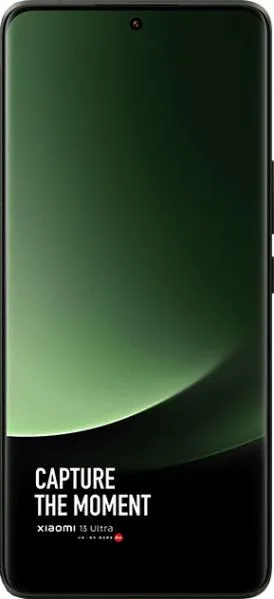
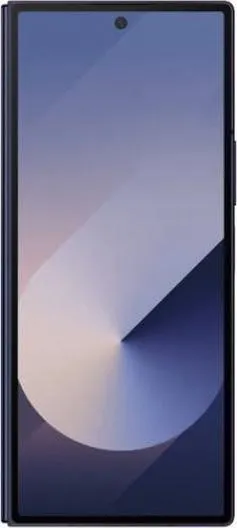
1. Specifications Comparison
| Feature | Xiaomi 13 Ultra | Samsung Galaxy Z Fold6 | Practical Impact |
|---|---|---|---|
| Design | |||
| Dimensions (mm) | 163.2 x 74.6 x 9.1 | 153.5 x 132.6 x 5.6 (folded) | Z Fold6 significantly more compact when folded, pocketable; 13 Ultra more traditional candybar design. |
| Weight (g) | 227 | 239 | Fold6 slightly heavier despite smaller folded size, due to folding mechanism. |
| Foldable | No | Yes | Fold6 offers larger screen real estate in a smaller form factor, 13 Ultra is more durable and simpler. |
| Display | |||
| Display Size (inches) | 6.73 | 7.6 (unfolded), 6.3 (folded) | Fold6 provides a tablet-like experience when unfolded; 13 Ultra has a large, but standard size. |
| Resolution (px) | 1440 x 3200 | 2160 x 1856 (unfolded), 968 x 2376 (folded) | Both offer sharp displays, Fold6's unfolded screen offers more overall pixels. |
| Display Type | LTPO AMOLED | Dynamic AMOLED 2X | Both are high-quality displays, but information on Fold6's LTPO implementation is missing, impacting potential battery savings. |
| Peak Brightness (nits) | 2600 | 2600 | Comparable peak brightness, ensuring good outdoor visibility on both. |
| Performance | |||
| Chipset | Snapdragon 8 Gen 2 | Snapdragon 8 Gen 3 Leading Edition | Gen 3 expected to provide noticeable performance and efficiency improvements over Gen 2. |
| CPU | Octa-core (up to 3.2 GHz) | Octa-core (up to 3.39 GHz) | Fold6 has a slightly faster CPU clock speed. |
| RAM (GB) | 12 | 12 | Both offer ample RAM for multitasking. |
| Camera | |||
| Rear Camera (MP) | 50MP Quad Camera | 50MP Triple Camera | 13 Ultra boasts a Leica-tuned quad camera system with a dedicated periscope telephoto lens; Fold6 has a versatile triple camera but lacks equivalent telephoto capabilities. |
| DxOMark Score | 140 | 133 | 13 Ultra scores higher overall in DxOMark, suggesting superior image quality. |
| Battery | |||
| Capacity (mAh) | 5000 | 4400 | 13 Ultra offers significantly larger battery capacity, potentially leading to longer battery life. Fold6's smaller battery needs to power two displays. |
2. Key Differences Analysis
Xiaomi 13 Ultra Advantages:
- Superior Camera System: Leica collaboration, larger sensor, more versatile lenses. Provides significantly better zoom capabilities and potentially superior image quality in various conditions.
- Larger Battery: Potentially longer battery life. Crucial for power users.
- More Durable Design: Traditional slab design generally more robust than foldable phones.
Samsung Galaxy Z Fold6 Advantages:
- Foldable Form Factor: Larger screen real estate for productivity and media consumption in a pocketable device. Offers unique multitasking capabilities.
- Newer Chipset: Potentially faster performance and better efficiency, although real-world impact depends on optimization.
- More Up-to-date Software: Launches with Android 14, promising longer software support compared to the 13 Ultra's Android 13.
Trade-offs:
- Durability vs. Innovation: Foldable design of the Fold6 is innovative but potentially less durable.
- Battery Life vs. Portability: 13 Ultra has a larger battery but is less pocketable. Fold6 is more compact when folded, sacrificing battery capacity.
3. User Profiles & Recommendations
Xiaomi 13 Ultra: Ideal for photography enthusiasts, power users needing long battery life, and those prioritizing a robust, traditional smartphone experience. Excels in capturing high-quality photos and videos, all-day usage without recharging, and demanding tasks.
Samsung Galaxy Z Fold6: Ideal for users who value portability and a large screen for multitasking, media consumption, and productivity on the go. Excels in offering a tablet-like experience in a pocket-sized device, running multiple apps simultaneously, and enjoying immersive content.
4. Decision Framework
Key Questions for Buyers:
- How important is camera quality? Prioritize 13 Ultra if photography is paramount.
- Do you need a foldable device? Choose Fold6 if portability and large screen size are critical.
- How important is battery life? Favor 13 Ultra if all-day usage without charging is a necessity.
Scenario-Based Recommendations:
- Frequent Traveler: Fold6 for its portability and larger screen for entertainment during long journeys.
- Photography Enthusiast: 13 Ultra for its superior camera system.
- Business Professional: Fold6 for multitasking and productivity on the go.
My Choice: Xiaomi 13 Ultra
While the Z Fold6 is innovative, the Xiaomi 13 Ultra better suits my needs. I prioritize camera quality and battery life, both of which the 13 Ultra excels at. The significant difference in camera capabilities, backed by the DxOMark scores and Leica partnership, makes the 13 Ultra a clear winner for me. The larger battery capacity is also crucial for my usage patterns. Although I appreciate the Fold6's foldable design, the potential durability concerns and smaller battery are significant trade-offs I'm not willing to make. I prefer a reliable, powerful device with a top-tier camera, even if it means a slightly less portable form factor.
