1. Specifications Comparison
| Feature | Xiaomi 13 Ultra | Samsung Galaxy Z Fold5 | Practical Impact |
|---|---|---|---|
| Design | |||
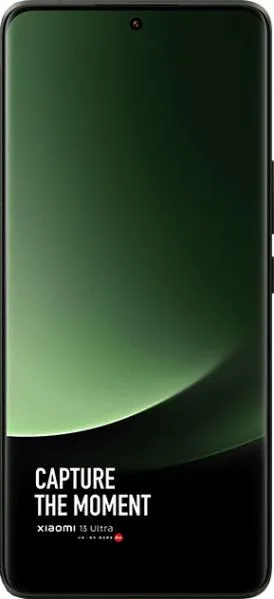
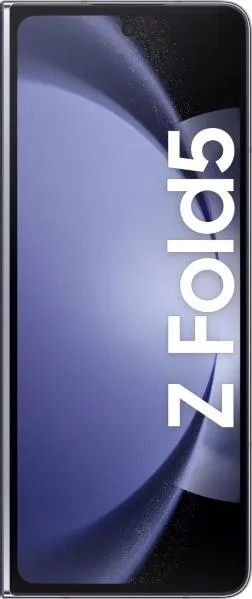
| Dimensions | 163.2 x 74.6 x 9.1 mm | 154.9 x 129.9 x 6.1 mm (folded) | Z Fold5 is significantly wider when unfolded, impacting one-handed usability. 13 Ultra is thicker but feels more traditional. |
| Weight | 227g | 253g | Z Fold5 is noticeably heavier due to the folding mechanism. |
| Foldable | No | Yes | Z Fold5 offers a larger inner display for multitasking and media consumption, but with added complexity and fragility. |
| Display | |||
| Display Type | 6.73" LTPO AMOLED | 7.6" Dynamic AMOLED 2X (inner), 6.2" Super AMOLED (cover) | 13 Ultra's LTPO offers better power efficiency with dynamic refresh rate. Fold5's larger inner display provides more screen real estate but lacks LTPO. |
| Resolution | 1440 x 3200 | 2176 x 1812 (inner), 904 x 2316 (cover) | Both offer sharp displays, but Fold5's inner display has a lower pixel density due to its larger size. |
| Refresh Rate | 120Hz | 120Hz | Both offer smooth scrolling and animations. |
| Peak Brightness | 2600 nits | Unspecified | 13 Ultra's exceptionally high brightness ensures excellent outdoor visibility. Missing spec for Fold5 limits comparison. |
| Performance | |||
| Chipset | Snapdragon 8 Gen 2 (4 nm) | Snapdragon 8 Gen 2 (4 nm) | Both phones offer top-tier performance with minimal differences in processing power. Slight clock speed advantage to Fold5 may not be noticeable in real-world use. |
| RAM | 12GB | 12GB | Both offer ample RAM for multitasking. |
| Camera | |||
| Main Camera | 50MP, Sony IMX989, 1" sensor | 50MP, Samsung GN3, 1/1.57" sensor | 13 Ultra boasts a significantly larger sensor, potentially capturing more light and detail, especially in low-light conditions. |
| Telephoto | Variable f/1.8-f/3.0, 5x optical zoom | 10MP, 2x optical zoom | 13 Ultra offers more versatile telephoto capabilities with a wider aperture range and higher optical zoom. |
| Ultrawide | 50MP | 12MP | 13 Ultra has a significantly higher resolution ultrawide, capturing more detail. |
| DXOMARK Score | 140 (Mobile) | 128 (Mobile) | 13 Ultra scores significantly higher in DXOMARK tests, indicating superior overall camera performance. However, real-world results may vary based on user preferences. |
| Battery | |||
| Capacity | 5000 mAh | 4400 mAh | 13 Ultra has a larger battery capacity, potentially offering longer battery life. Fold5's smaller battery needs to power two displays. |
2. Key Differences Analysis
Xiaomi 13 Ultra Advantages:
- Superior Camera System: Larger main sensor, more versatile telephoto lens, higher resolution ultrawide. Translates to better low-light performance, zoom capabilities, and detail.
- Brighter Display: Significantly higher peak brightness improves outdoor visibility.
- Larger Battery: Potentially longer battery life.
- LTPO Display: More power efficient.
Samsung Galaxy Z Fold5 Advantages:
- Foldable Design: Larger inner display enhances multitasking and media consumption. Unique form factor.
- Slightly Faster CPU: Marginal performance advantage might be noticeable in demanding tasks, though unlikely in everyday use.
- More Software Updates: Longer OS support commitment from Samsung.
3. User Profiles & Recommendations
Xiaomi 13 Ultra: Ideal for photography enthusiasts, power users who demand the best camera and display quality, and users who prioritize battery life. Excellent for capturing high-quality photos and videos in various conditions.
Samsung Galaxy Z Fold5: Ideal for users who value productivity and multitasking on the go, appreciate a large screen for media consumption, and embrace innovative technology. Perfect for reading, watching videos, and working on multiple documents simultaneously.
4. Decision Framework
Key Questions for Buyers:
- Is a foldable design a priority? If yes, the Z Fold5 is the only option.
- How important is camera quality? If top-tier camera performance is crucial, the 13 Ultra is the clear winner.
- What is your budget? The 13 Ultra falls into a higher price range. Consider the price-to-value ratio based on your individual needs.
My Choice: Xiaomi 13 Ultra
While the Z Fold5's foldable design is innovative, the Xiaomi 13 Ultra's superior camera system, brighter display, larger battery, and LTPO technology make it a more compelling overall package for me. I prioritize image quality, battery life, and a great viewing experience, and the 13 Ultra excels in these areas. The Fold5's form factor, while interesting, introduces compromises in weight, durability, and battery life that I'm not willing to make. I also prefer a more traditional smartphone experience. The higher price of the 13 Ultra is justified by its significant advantages in key areas that are important to me.
