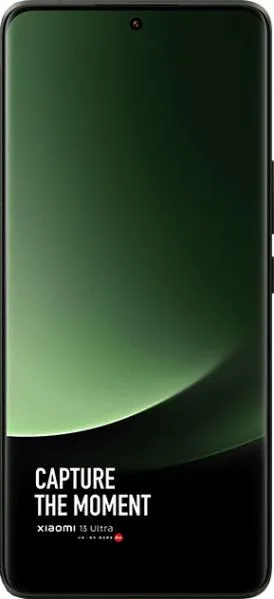
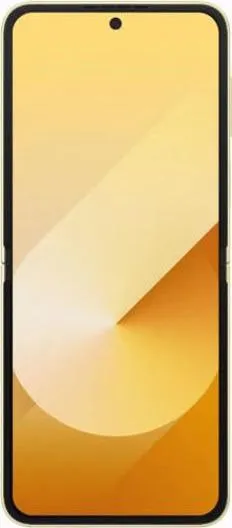
1. Specifications Comparison
| Feature | Xiaomi 13 Ultra | Samsung Galaxy Z Flip6 | Practical Impact |
|---|---|---|---|
| Design | |||
| Dimensions (mm) | 163.2 x 74.6 x 9.1 | 165.1 x 71.9 x 6.9 | Z Flip6 is significantly thinner and slightly narrower when unfolded, making it more pocketable. 13 Ultra is larger overall. |
| Weight (g) | 227 | 187 | Z Flip6 is noticeably lighter, reducing hand fatigue during extended use. |
| Foldable | No | Yes | Z Flip6's foldable design offers unique portability and a smaller footprint when closed. |
| Build Materials | Unspecified | Unspecified | Build quality and durability cannot be compared without further information. |
| Display | |||
| Display Size (inches) | 6.73 | 6.7 | Nearly identical screen real estate. |
| Resolution | 1440 x 3200 | 1080 x 2640 | 13 Ultra offers a much sharper display with higher pixel density, resulting in crisper text and images. |
| Display Type | LTPO AMOLED | Dynamic AMOLED 2X | Both are high-quality AMOLED panels with excellent color reproduction and deep blacks. LTPO on the 13 Ultra allows for variable refresh rate, potentially saving battery. |
| Refresh Rate (Hz) | 120 | 120 | Both offer smooth scrolling and animations. |
| Peak Brightness (nits) | 2600 | Unspecified | 13 Ultra's confirmed peak brightness ensures excellent outdoor visibility. Z Flip6's unspecified value limits comparison. |
| Performance | |||
| Chipset | Snapdragon 8 Gen 2 | Snapdragon 8 Gen 3 | Z Flip6 has a newer, more powerful processor, leading to faster performance and better efficiency in demanding tasks. |
| CPU | Octa-core (up to 3.2 GHz) | Octa-core (up to 3.39 GHz) | Z Flip 6's slightly faster clock speed and newer architecture should provide a performance edge. |
| GPU | Adreno 740 | Adreno 750 | Z Flip6's upgraded GPU offers improved graphics performance for gaming and demanding applications. |
| RAM (GB) | 12 | 12 | Both offer ample RAM for multitasking. |
| Camera | |||
| Rear Camera(s) | 50MP Quad Camera | 12MP + 50MP Dual Camera | 13 Ultra boasts a more versatile quad-camera system with a larger main sensor, potentially capturing higher quality images, especially in low light. Z Flip6 has a simpler setup. |
| Front Camera | 32MP | 10MP | 13 Ultra offers significantly higher resolution for selfies. |
| Video Recording | Up to 8K@24fps | Up to 4K@60fps | 13 Ultra supports higher resolution video recording. |
| Battery | |||
| Capacity (mAh) | 5000 | 3700 | 13 Ultra has a significantly larger battery, likely translating to longer battery life. |
2. Key Differences Analysis
Xiaomi 13 Ultra Advantages:
- Superior Display: Sharper resolution and confirmed higher peak brightness.
- Larger Battery: Potentially significantly longer battery life.
- More Versatile Camera System: Quad camera setup with larger sensor and 8K video recording.
- USB Type-C with DisplayPort: Enables direct connection to external displays.
Samsung Galaxy Z Flip6 Advantages:
- Foldable Design: Offers unique portability and compact form factor.
- Newer, More Powerful Chipset: Snapdragon 8 Gen 3 provides better performance and efficiency.
- Lighter and Thinner: Easier to carry and hold for extended periods.
- Lower Price: Offers a more accessible price point.
3. User Profiles & Recommendations
Xiaomi 13 Ultra: Ideal for users who prioritize camera quality, battery life, and a large, high-resolution display. Suitable for power users, photographers, and videographers.
Samsung Galaxy Z Flip6: Best suited for users who value portability and a unique, compact design above all else. Appeals to trendsetters, social media users, and those seeking a pocketable device.
4. Decision Framework
Key Questions for Buyers:
- How important is portability? If ultimate pocketability is paramount, the Z Flip6 is the clear winner.
- What is your budget? The Z Flip6 offers a more accessible price point.
- What are your primary use cases? Photography enthusiasts will lean towards the 13 Ultra, while those focused on style and convenience might prefer the Z Flip6.
My Choice: Xiaomi 13 Ultra
While the Z Flip6's foldable design and newer chipset are appealing, the Xiaomi 13 Ultra's superior camera system, significantly larger battery, sharper display, and the inclusion of a DisplayPort for productivity outweigh these advantages for me. I prioritize image quality, battery life, and a great viewing experience. The price premium is justifiable for the substantial improvements in these key areas. The bulkier size is a trade-off I'm willing to make for the superior overall experience the 13 Ultra offers. The Z Flip6's folding capability, while novel, doesn't align with my personal needs and priorities as much as the 13 Ultra's feature set does.
