1. Specifications Comparison
| Feature | Xiaomi 13 Ultra | Samsung Galaxy Z Flip5 | Practical Impact |
|---|---|---|---|
| Design | |||
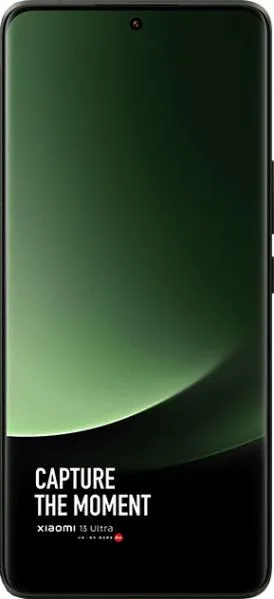
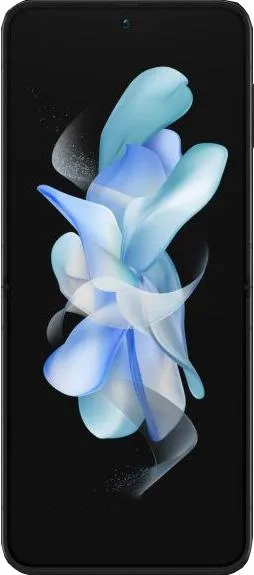
| Dimensions (mm) | 163.2 x 74.6 x 9.1 | 165.1 x 71.9 x 6.9 | Z Flip5 significantly more compact and pocketable due to folding design; 13 Ultra thicker and heavier. |
| Weight (g) | 227 | 187 | Z Flip5 noticeably lighter for comfortable one-handed use and portability. |
| Foldable | No | Yes | Z Flip5 offers unique portability and a smaller footprint when folded. |
| Display | |||
| Display Size (inches) | 6.73 | 6.7 | Negligible difference in screen real estate. |
| Resolution | 1440 x 3200 | 1080 x 2640 | 13 Ultra offers significantly sharper visuals due to higher resolution. |
| Display Type | LTPO AMOLED | Dynamic AMOLED 2X | Both offer vibrant colors and deep blacks; LTPO on 13 Ultra allows for more granular refresh rate control, potentially saving battery. |
| Peak Brightness (nits) | 2600 | 1750 | 13 Ultra offers superior outdoor visibility in direct sunlight. |
| Performance | |||
| Chipset | Snapdragon 8 Gen 2 (4 nm) | Snapdragon 8 Gen 2 (4 nm) | Both phones offer top-tier performance, though slight CPU clock speed differences might give 13 Ultra a minor edge in demanding tasks. |
| CPU | Octa-core (1x3.2 GHz Cortex-X3...) | Octa-core (1x3.36 GHz Cortex-X3...) | Very similar performance; Flip5 may have slight single-core advantage due to higher clock speed on the prime core, but real world usage would be nearly identical. |
| RAM | 12GB (reviewed model) | 8GB (reviewed model) | 13 Ultra's extra RAM could provide smoother multitasking and better performance with demanding apps in the long run. |
| GPU | Adreno 740 | Adreno 740 | Identical GPUs, ensuring similar gaming performance. |
| Camera | |||
| Rear Camera | 50MP Quad Camera | 12MP Dual Camera | 13 Ultra boasts a vastly superior camera system with higher resolution, larger sensor (1-inch main sensor), Leica collaboration, and versatile telephoto options. |
| DXOMARK Score | 140 | 127 | 13 Ultra objectively offers better overall camera performance according to DXOMARK. |
| Battery | |||
| Capacity (mAh) | 5000 | 3700 | 13 Ultra likely to offer significantly longer battery life. |
2. Key Differences Analysis
Xiaomi 13 Ultra Advantages:
- Superior Display: Sharper resolution and higher peak brightness.
- Flagship Camera System: Significantly better image quality and versatility.
- Longer Battery Life: Larger battery capacity.
- More RAM: Smoother multitasking.
Samsung Galaxy Z Flip5 Advantages:
- Unique Form Factor: Foldable design for enhanced portability.
- Lower Price: More affordable than the 13 Ultra.
Trade-offs:
- Z Flip5: Compromises on camera quality, battery life, and display sharpness for its foldable design and lower price.
- 13 Ultra: Larger and heavier, prioritizing performance and camera over portability and affordability.
3. User Profiles & Recommendations
Xiaomi 13 Ultra: Ideal for power users, photography enthusiasts, content creators, or anyone who demands top-tier performance and camera capabilities. Use cases include mobile gaming, professional photography/videography, and demanding productivity tasks.
Samsung Galaxy Z Flip5: Suitable for users who prioritize portability and style above all else. The compact size makes it perfect for those constantly on the move or with limited pocket space. Use cases include casual social media use, communication, and light content consumption. Price-conscious buyers who still want a flagship experience might also find it appealing.
4. Decision Framework
Key Questions for Buyers:
- What is your budget? The 13 Ultra is a significantly more expensive device.
- What are your priorities? (Performance, Camera, Portability, Style)
- What are your typical usage patterns? (Heavy user, casual user, content creator)
Scenario-Based Recommendations:
- Limited Budget, Prioritize Portability: Z Flip5
- Demand Best Camera and Performance: 13 Ultra
- Balance of Features and Portability: Consider other options, as neither phone perfectly balances both.
My Choice: Xiaomi 13 Ultra
While the Z Flip5's foldable design is intriguing, the Xiaomi 13 Ultra better aligns with my priorities. I value a high-quality camera, long battery life, and a sharp display for media consumption and productivity. The superior performance and versatile camera system of the 13 Ultra outweigh the portability benefits of the Flip5 for my needs. I'm willing to pay the premium for the significant advantages the 13 Ultra offers in these areas. The Z Flip5 feels like more of a novelty with significant compromises in key areas.
