1. Specifications Comparison
| Feature | Xiaomi 13 Ultra | Samsung Galaxy Tab S9 FE+ | Practical Impact |
|---|---|---|---|
| Design | |||
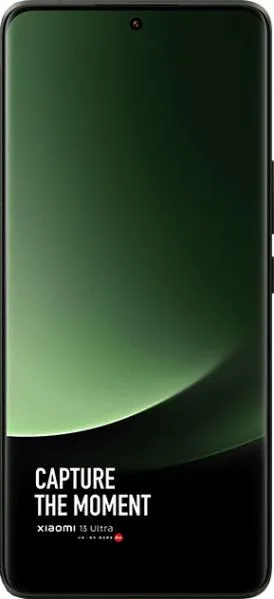
| Dimensions (mm) | 163.2 x 74.6 x 9.1 | 285.4 x 185.4 x 6.5 | The Xiaomi is a typical smartphone size, pocketable and one-hand usable for some. The Samsung is a large tablet, requiring two hands and a bag for transport. |
| Weight (g) | 227 | 627 | The Xiaomi is significantly lighter and more comfortable for extended use. The Samsung's weight can be tiring for handheld use. |
| Build | Missing | Missing | Build quality impacts durability and premium feel. Without information, a comparison cannot be made. |
| Display | |||
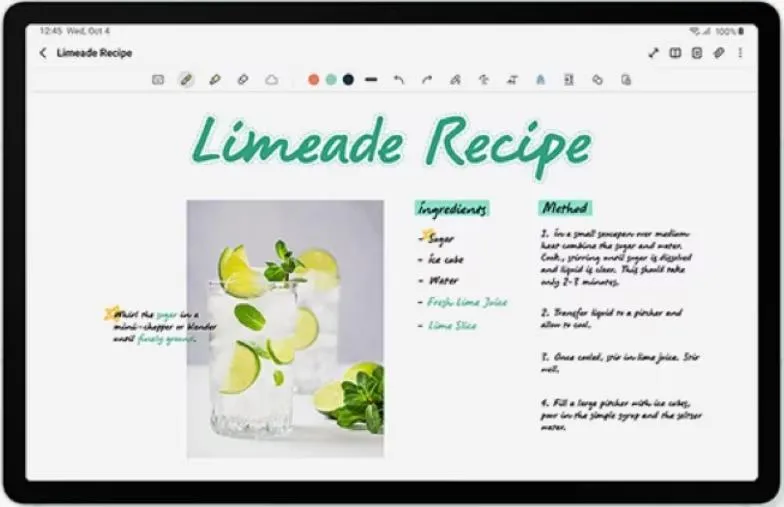
| Size (inches) | 6.73 | 12.4 | Xiaomi offers a large phone screen suitable for media consumption. Samsung's much larger tablet screen excels for multitasking and content creation. |
| Resolution | 1440 x 3200 | 2560 x 1600 | Despite the larger size, the Samsung has a lower pixel density (243 ppi vs 522 ppi), resulting in less sharp text and images compared to the Xiaomi. |
| Type | LTPO AMOLED | IPS LCD | Xiaomi's AMOLED offers deeper blacks, more vibrant colors, and better power efficiency. Samsung's IPS LCD is generally less impressive in color reproduction and contrast. |
| Refresh Rate (Hz) | 120 | 90 | Xiaomi's 120Hz display provides smoother scrolling and animations. While 90Hz is smooth, the Xiaomi offers a more premium experience. |
| Performance | |||
| Chipset | Snapdragon 8 Gen 2 | Exynos 1380 | Xiaomi's Snapdragon 8 Gen 2 is a flagship processor offering significantly better performance than Samsung's mid-range Exynos 1380. Expect smoother gaming, faster multitasking, and quicker app loading on the Xiaomi. |
| RAM (GB) | 12/16 | 8/12 | More RAM in some Xiaomi versions allows for more apps to run in the background without reloading. |
| Storage (GB) | 256/512/1TB | 128/256 | Xiaomi offers larger storage options, crucial for users who store lots of media or large files. |
| Camera | |||
| Rear Camera (MP) | 50 MP Quad Camera | 12 MP + 8 MP Dual Camera | The Xiaomi boasts a much more advanced camera system with higher resolution, Leica lenses, and advanced features like variable aperture. Expect significantly better image quality, especially in low light, from the Xiaomi. |
| Front Camera (MP) | 32 MP | 8MP | Xiaomi offers a higher resolution front camera for better quality selfies and video calls. |
| Battery | |||
| Capacity (mAh) | 5000 | 10090 | Samsung's significantly larger battery will likely offer much longer usage time, crucial for a tablet. Xiaomi's battery is typical for a flagship smartphone. |
2. Key Differences Analysis
Xiaomi 13 Ultra Advantages:
- Superior Performance: Snapdragon 8 Gen 2 provides significantly faster and smoother overall experience.
- Flagship Camera: Advanced camera system with Leica lenses, variable aperture, and higher resolution sensors.
- High-Quality Display: Bright, vibrant AMOLED with 120Hz refresh rate.
Samsung Galaxy Tab S9 FE+ Advantages:
- Much Larger Display: Ideal for multitasking, media consumption, and content creation.
- Significantly Longer Battery Life: The massive battery ensures all-day usage even with heavy use.
- Lower Price: Offers a more budget-friendly option for a large-screen device.
3. User Profiles & Recommendations
Xiaomi 13 Ultra: Ideal for users who prioritize performance, camera quality, and a premium mobile experience. Best for:
- Enthusiasts: Demanding users who want the best hardware and software.
- Photographers/Videographers: The advanced camera system is perfect for capturing high-quality content.
- Gamers: The powerful processor and high refresh rate display provide a smooth gaming experience.
Samsung Galaxy Tab S9 FE+: Suited for users who need a large screen for productivity and entertainment on a budget. Best for:
- Students: Note-taking, reading, and research benefit from the large screen.
- Casual Media Consumers: Enjoying movies, TV shows, and browsing the web on a bigger display.
- Artists/Designers: The large screen provides ample space for creative work.
4. Decision Framework
Key Questions for Buyers:
- What is your primary use case? (e.g., photography, gaming, media consumption, productivity)
- What is your budget? (The Xiaomi is significantly more expensive.)
- Do you need a pocketable device or a larger screen for productivity?
My Choice: Xiaomi 13 Ultra
While the Samsung Galaxy Tab S9 FE+ offers a tempting large screen and long battery life, the Xiaomi 13 Ultra better aligns with my needs. I prioritize a smooth and powerful user experience, which the Snapdragon 8 Gen 2 delivers. The superior camera system is also crucial for me, as I frequently capture photos and videos. The compact form factor of a smartphone is also preferable for my lifestyle. While the price is higher, the significant advantages in performance, camera, and display justify the premium for me. The Samsung tablet excels in specific use cases, but the Xiaomi provides a more well-rounded flagship experience that I value more.
