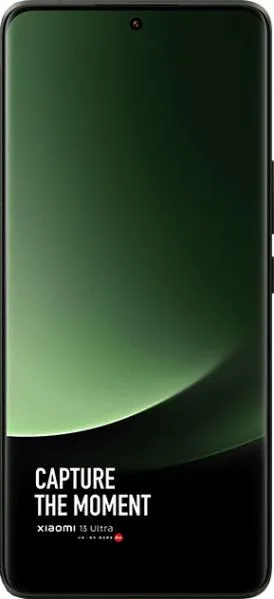
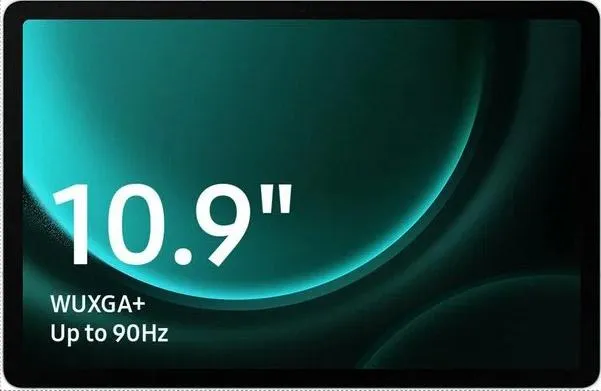
1. Specifications Comparison
| Feature | Category | Xiaomi 13 Ultra | Samsung Galaxy Tab S9 FE | Practical Impact |
|---|---|---|---|---|
| Dimensions (mm) | Design | 163.2 x 74.6 x 9.1 | 254.3 x 165.8 x 6.5 | The Xiaomi 13 Ultra is a much smaller, pocketable phone, while the Samsung Galaxy Tab S9 FE is a significantly larger tablet. Portability is drastically different. |
| Weight (g) | Design | 227 | 523 | The Tab S9 FE is more than twice as heavy, making it less suitable for one-handed use or extended carrying. |
| Display Size (inches) | Display | 6.73 | 10.9 | The Tab S9 FE offers a much larger screen for media consumption, multitasking, and note-taking, but sacrifices portability. |
| Display Type | Display | LTPO AMOLED | IPS LCD | The Xiaomi's AMOLED display provides deeper blacks, richer colors, and potentially better power efficiency due to individual pixel illumination. The Tab S9 FE's LCD is likely less vibrant and may consume more power. |
| Refresh Rate (Hz) | Display | 120 | 90 | The Xiaomi 13 Ultra offers smoother scrolling and animations thanks to the higher refresh rate. |
| Resolution (px) | Display | 1440 x 3200 | 1440 x 2304 | While both have similar horizontal resolution, the Xiaomi boasts higher vertical resolution resulting in a sharper image. |
| PPI Density | Display | 522 | 249 | The Xiaomi 13 Ultra's significantly higher pixel density leads to a noticeably sharper display, crucial for text clarity and image detail. |
| Chipset | Performance | Snapdragon 8 Gen 2 | Exynos 1380 | The Snapdragon 8 Gen 2 in the Xiaomi is a flagship processor, offering superior performance and graphics compared to the mid-range Exynos 1380 in the Tab S9 FE. Expect smoother multitasking and better gaming on the Xiaomi. |
| RAM (GB) | Performance | 12/16 | 6/8 | The Xiaomi offers significantly more RAM, enabling superior multitasking and preventing app closures in the background. |
| Battery Capacity (mAh) | Battery | 5000 | 8000 | While the Tab S9 FE has a larger battery, its larger display and potentially less efficient LCD may offset the advantage. Real-world battery life comparison requires further testing. |
| Main Camera (MP) | Camera | 50 MP Quad Camera | 12 MP Single Camera | The Xiaomi 13 Ultra boasts a significantly more advanced camera system with higher resolution, multiple lenses (including telephoto and wide-angle), and Leica collaboration. Expect superior image quality and versatility. |
| Price Range | Value | High | Medium | The Xiaomi 13 Ultra is a premium flagship device with a higher price tag reflecting its advanced features. The Tab S9 FE is a mid-range tablet offering good value for its price. |
2. Key Differences Analysis
Xiaomi 13 Ultra Advantages:
- Superior Performance: The Snapdragon 8 Gen 2 offers a substantial performance advantage for demanding tasks and gaming.
- Flagship Camera System: Leica-tuned quad camera system provides significantly better image quality, versatility, and features.
- Sharper Display: Higher resolution, AMOLED technology, and 120Hz refresh rate offer a premium visual experience.
- More Premium Build: Smaller form factor with a more premium feel.
Samsung Galaxy Tab S9 FE Advantages:
- Larger Display: Ideal for media consumption, multitasking, and creative tasks.
- Larger Battery: Potentially longer battery life, though real-world usage will vary.
- Lower Price: Significantly more affordable, offering good value for its features.
3. User Profiles & Recommendations
Xiaomi 13 Ultra: Ideal for users who prioritize performance, camera quality, a premium display, and a pocketable form factor. Best for:
- Enthusiasts: Users who demand the best hardware and software experience.
- Mobile Photographers/Videographers: Professionals and hobbyists who rely on their phone for high-quality content creation.
- Gamers: Users who want smooth and responsive gaming performance.
Samsung Galaxy Tab S9 FE: Best suited for users who prioritize a large display for media consumption, productivity, and creative tasks, and who are on a tighter budget. Best for:
- Students: Note-taking, reading research papers, and watching educational videos.
- Casual Media Consumers: Watching movies, browsing the web, and reading e-books.
- Artists/Designers: Utilizing the large screen for drawing and sketching.
4. Decision Framework
Key Questions for Buyers:
- What is your budget? The Xiaomi 13 Ultra is considerably more expensive.
- What is your primary use case? Prioritize performance and portability vs. large screen size for content consumption and productivity.
- Do you value camera quality? The Xiaomi 13 Ultra offers a significant advantage in this area.
My Choice: Xiaomi 13 Ultra
While the Samsung Galaxy Tab S9 FE offers a compelling large-screen experience at a lower price, I would choose the Xiaomi 13 Ultra. I prioritize performance, a premium display, and a top-tier camera system. The Snapdragon 8 Gen 2, the high-refresh-rate AMOLED display, and the Leica-branded camera system in the Xiaomi 13 Ultra offer a significantly better overall user experience for my needs. While the price is higher, the superior quality and features justify the investment for me. The pocketable form factor is also crucial for my daily usage. The Tab S9 FE is a great value tablet, but its compromises in performance and camera capabilities don't align with my priorities.
