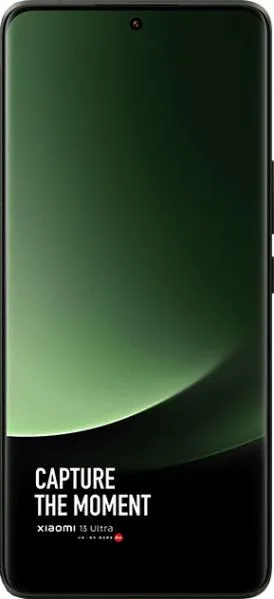
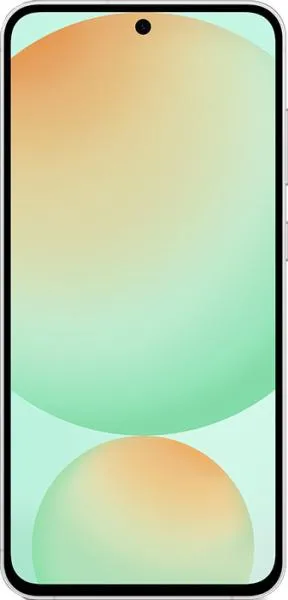
1. Specifications Comparison
| Feature | Xiaomi 13 Ultra | Samsung Galaxy S24 FE | Practical Impact |
|---|---|---|---|
| Design | |||
| Dimensions (mm) | 163.2 x 74.6 x 9.1 | 162 x 77.3 x 8 | S24 FE slightly wider, thinner, and lighter. Ultra might feel bulkier in hand. |
| Weight (g) | 227 | 213 | Noticeable weight difference; S24 FE more comfortable for extended use. |
| Display | |||
| Size (inches) | 6.73 | 6.7 | Negligible size difference. |
| Resolution | 1440 x 3200 | 1080 x 2340 | Ultra significantly sharper (522 ppi vs 385 ppi); noticeable difference in clarity for text and images. |
| Type | LTPO AMOLED | Dynamic AMOLED 2X | Both offer excellent color and contrast. LTPO allows for variable refresh rate, potentially saving battery on the Ultra. |
| Peak Brightness | 2600 nits | 1900 nits | Ultra significantly brighter, improving outdoor visibility. |
| Performance | |||
| Chipset | Snapdragon 8 Gen 2 | Exynos 2400e | 8 Gen 2 generally considered more powerful; expect smoother performance and better gaming on the Ultra. Exynos performance varies by region and task. |
| CPU | Octa-core (1x3.2 GHz Cortex-X3 & 2x2.8 GHz Cortex-A715 & 2x2.8 GHz Cortex-A710 & 3x2.0 GHz Cortex-A510) | 10-core (1x3.1 GHz + 2x2.9 GHz + 3x2.6 GHz + 4x1.95 GHz) | Specific core configurations differ, but 8 Gen 2 likely offers better single-core and potentially multi-core performance. |
| RAM | 12GB | 8GB | Ultra offers more RAM, enabling better multitasking and smoother performance with demanding apps. |
| Camera | |||
| Main Camera | 50MP, 1-inch sensor | 50MP, 1/1.57-inch sensor | Ultra has a significantly larger sensor, potentially capturing more light and detail, especially in low light. |
| Telephoto | Variable telephoto (f/1.8-f/3.0) | 3x Optical Zoom | Ultra offers more versatile telephoto capabilities with variable aperture. |
| Ultrawide | 50MP | 13MP | Ultra's ultrawide has a much higher resolution, capturing more detail. |
| Battery | |||
| Capacity | 5000 mAh | 4700 mAh | Ultra has slightly larger battery capacity, potentially offering longer battery life. Real-world usage will depend on individual usage patterns and software optimization. |
2. Key Differences Analysis
Xiaomi 13 Ultra Advantages:
- Superior Display: Sharper, brighter, and with LTPO for potentially better battery life.
- More Powerful Performance: Snapdragon 8 Gen 2 and more RAM for smoother, faster operation.
- Advanced Camera System: Larger main sensor, more versatile telephoto, higher resolution ultrawide.
Samsung Galaxy S24 FE Advantages:
- Lighter and Slimmer Design: More comfortable for one-handed use and extended periods.
- Lower Price: Significantly more affordable.
- eSIM Support: Offers more flexibility for managing multiple numbers. (Data not explicitly stated for the Ultra, so assuming it lacks this feature).
Trade-offs:
- Xiaomi 13 Ultra: Higher price and heavier/bulkier design for significantly better performance and camera.
- Samsung Galaxy S24 FE: Compromises on display, performance, and camera for a more affordable and lighter phone.
3. User Profiles & Recommendations
Xiaomi 13 Ultra: Ideal for power users, photographers, videographers, and those who prioritize top-tier performance and display quality. Excellent for demanding tasks, gaming, and content creation.
Samsung Galaxy S24 FE: Suited for budget-conscious users, casual photographers, and those who prioritize a lighter, slimmer design. Suitable for everyday tasks, social media, and light gaming.
4. Decision Framework
Key Questions:
- What is your budget? The Ultra is a premium flagship, while the S24 FE is a mid-range option.
- What are your primary use cases? Demanding tasks, gaming, and professional photography/videography favor the Ultra. Everyday use, social media, and casual photography are well-handled by the S24 FE.
- How important are design and portability? The S24 FE is lighter and thinner, while the Ultra prioritizes performance and camera capabilities over slimness.
My Choice: Xiaomi 13 Ultra
While the Samsung Galaxy S24 FE offers excellent value for its price, I would choose the Xiaomi 13 Ultra. The superior display, significantly more powerful performance, and the advanced camera system are compelling. The larger main sensor, variable aperture telephoto, and high-resolution ultrawide on the Ultra would significantly enhance my photography and videography experience. While the extra weight and cost are factors, the overall performance and feature set of the Ultra align better with my needs as a power user who values a top-tier mobile experience. The difference in screen quality alone is a major factor for me.
