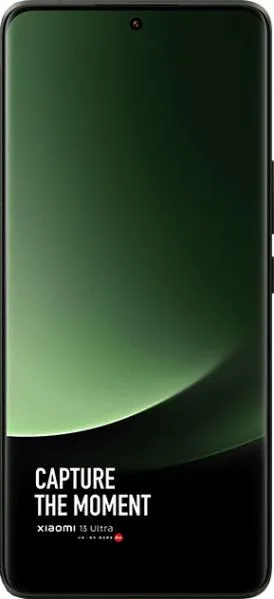
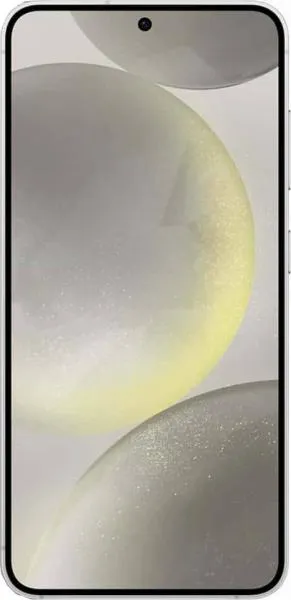
1. Specifications Comparison
| Feature | Xiaomi 13 Ultra | Samsung Galaxy S24 | Practical Impact |
|---|---|---|---|
| Design | |||
| Dimensions (mm) | 163.2 x 74.6 x 9.1 | 147 x 70.6 x 7.6 | S24 is significantly smaller and more pocketable. |
| Weight (g) | 227 | 167 | S24 is noticeably lighter for comfortable one-handed use. |
| Build | Unspecified | Unspecified | Build quality and materials impact durability and premium feel; information lacking here. |
| Display | |||
| Size (inches) | 6.73 | 6.2 | Larger display on the 13 Ultra offers more immersive content consumption. |
| Resolution | 1440 x 3200 | 1080 x 2340 | 13 Ultra has a sharper display with higher pixel density (522 vs 416 ppi). |
| Type | LTPO AMOLED | Dynamic LTPO AMOLED 2X | Both are high-quality AMOLEDs with vibrant colors and deep blacks; LTPO allows for variable refresh rate, potentially saving battery on both. |
| Refresh Rate | 120Hz | 120Hz | Both offer smooth scrolling and animations. |
| Peak Brightness | 2600 nits | 2600 nits | Both offer excellent outdoor visibility. |
| Performance | |||
| Chipset | Snapdragon 8 Gen 2 | Snapdragon 8 Gen 3 | S24's newer Gen 3 chip likely offers performance and efficiency improvements. |
| CPU | Octa-core (up to 3.2 GHz) | Octa-core (up to 3.39 GHz) | S24 likely has a faster CPU, though real-world difference might be minimal for average users. |
| GPU | Adreno 740 | Adreno 750 | S24 has a more powerful GPU, beneficial for gaming and demanding graphics tasks. |
| RAM | 12GB (reviewed model) | 8GB (reviewed model) | More RAM in the 13 Ultra can improve multitasking and app switching performance. Note: both phones have other RAM options. |
| Camera | |||
| Rear Cameras | 50MP Main, 50MP Wide, 50MP Telephoto (2x), 50MP Periscope Telephoto (5x) | 50MP Main, 12MP Wide, 10MP Telephoto | 13 Ultra boasts a more versatile camera system with higher resolution telephoto lenses. |
| Front Camera | 32MP | 12MP | Higher resolution on the 13 Ultra, though selfie quality depends on processing as well. |
| Video | Up to 8K@24fps | Up to 8K@30fps | Both can record high-resolution video; S24 allows slightly higher frame rate at 8K. |
| Battery | |||
| Capacity | 5000 mAh | 4000 mAh | 13 Ultra likely offers longer battery life due to larger capacity. |
2. Key Differences Analysis
Xiaomi 13 Ultra Advantages:
- Larger, sharper display: More immersive for media consumption.
- More versatile camera system: Superior zoom capabilities and higher resolution sensors.
- Larger battery: Potentially longer battery life.
- More RAM: Better multitasking.
Samsung Galaxy S24 Advantages:
- Smaller and lighter: More comfortable for one-handed use and portability.
- Newer, faster processor: Potentially better performance and efficiency.
- More affordable: Offers good value for its price.
3. User Profiles & Recommendations
Xiaomi 13 Ultra: Ideal for users who prioritize camera quality, large screen size, and long battery life. Best suited for photography enthusiasts, content creators, and power users.
Samsung Galaxy S24: Ideal for users who prefer a compact and lightweight phone with good performance and a reasonable price. Best suited for everyday users, social media users, and those who value portability.
4. Decision Framework
Key Questions:
- What is your budget? The 13 Ultra is significantly more expensive.
- What are your priorities? Camera, display, battery life, or portability?
- What type of user are you? Power user, casual user, photography enthusiast?
Scenario-Based Recommendations:
- Limited budget: S24 offers excellent value.
- Best camera: 13 Ultra is the clear winner.
- Compact phone: S24 is significantly smaller and lighter.
My Choice: Samsung Galaxy S24
While the Xiaomi 13 Ultra boasts impressive specs in the camera and display departments, the Samsung Galaxy S24's combination of a newer processor, more compact form factor, and significantly lower price makes it a more compelling choice for me. I value portability and one-handed usability highly, and the performance difference between the Snapdragon 8 Gen 2 and Gen 3 is likely less noticeable in everyday use than the difference in size and weight. While the S24's camera system might not be as versatile, it's still expected to be excellent for everyday photography. Finally, the substantial price difference cannot be ignored. The S24 offers a better price-to-performance ratio for my needs.
