1. Specifications Comparison
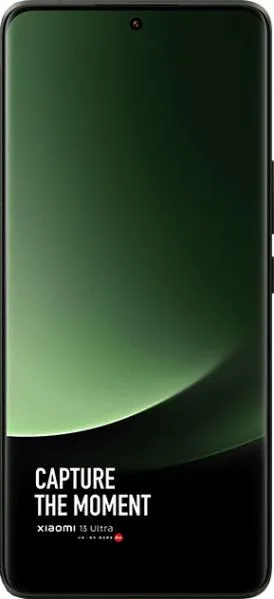
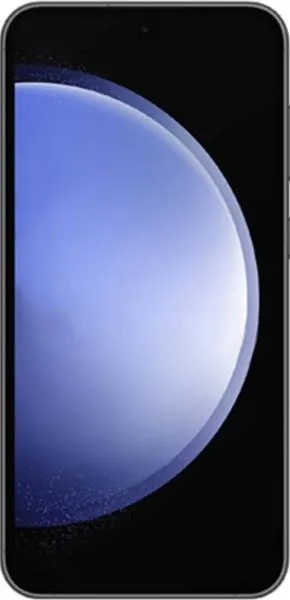
| Feature | Xiaomi 13 Ultra | Samsung Galaxy S23 FE | Practical Impact |
|---|---|---|---|
| Design | |||
| Dimensions (mm) | 163.2 x 74.6 x 9.1 | 158 x 76.5 x 8.2 | S23 FE is slightly smaller and thinner, potentially easier to handle. |
| Weight (g) | 227 | 209 | Noticeable weight difference; S23 FE is more pocketable. |
| Build | Unspecified | Unspecified | Build quality and materials impact durability and premium feel; information lacking. |
| Display | |||
| Size (inches) | 6.73 | 6.4 | 13 Ultra offers a larger screen for more immersive content consumption. |
| Resolution | 1440 x 3200 | 1080 x 2340 | 13 Ultra has a significantly sharper display (522 ppi vs 403 ppi). |
| Type | LTPO AMOLED | Dynamic AMOLED 2X | Both are high-quality AMOLEDs; LTPO on 13 Ultra enables variable refresh rate for better battery efficiency. |
| Refresh Rate | 120Hz | 120Hz | Both offer smooth scrolling and animations. |
| Peak Brightness | 2600 nits | 1450 nits (peak) | 13 Ultra is significantly brighter, improving outdoor visibility. |
| Performance | |||
| Chipset | Snapdragon 8 Gen 2 | Exynos 2200 | 8 Gen 2 generally offers better performance and efficiency than Exynos 2200. |
| CPU | Octa-core (up to 3.2 GHz) | Octa-core (up to 2.8 GHz) | 13 Ultra likely has a performance advantage in demanding tasks. |
| GPU | Adreno 740 | Xclipse 920 | Adreno 740 generally provides superior graphics performance. |
| RAM | 12GB (reviewed model) | 8GB (reviewed model) | More RAM on 13 Ultra allows for smoother multitasking and better handling of demanding apps. |
| Camera | |||
| Rear Camera | 50MP (wide) + 50MP (ultrawide+macro) + 50MP (telephoto) + 50MP (telephoto) | 50MP (wide) + 8MP (telephoto) + 12MP (ultrawide) | 13 Ultra boasts a more versatile camera system with Leica collaboration and larger sensor size for improved low light performance. |
| Front Camera | 32MP | 10.8MP | 13 Ultra has a higher resolution front camera. |
| Video | Up to 8K@24fps | Up to 8K@24fps | Both can record high-resolution video, but specific features (OIS, EIS) might vary and impact quality. |
| Battery | |||
| Capacity | 5000 mAh | 4500 mAh | 13 Ultra likely has longer battery life. |
2. Key Differences Analysis
Xiaomi 13 Ultra Advantages:
- Superior Display: Brighter, sharper, and more power-efficient due to LTPO technology.
- Higher Performance: Snapdragon 8 Gen 2 outperforms Exynos 2200 in most benchmarks.
- More Versatile Camera: Leica-tuned quad-camera system with larger sensor offers better image quality, especially in low light.
- Larger Battery: Potentially longer battery life.
- More RAM: Smoother multitasking.
Samsung Galaxy S23 FE Advantages:
- Lower Price: Significantly more affordable.
- Lighter and More Compact: Easier to handle and carry.
- Longer Software Support: Expected to receive updates for a longer period.
3. User Profiles & Recommendations
Xiaomi 13 Ultra: Ideal for power users, photography enthusiasts, and those who prioritize the best possible display and performance. Excellent for demanding tasks, content creation, and mobile gaming.
Samsung Galaxy S23 FE: Suitable for budget-conscious users who still want a good overall experience. A good choice for everyday tasks, social media, web browsing, and casual gaming.
4. Decision Framework
Key Questions for Buyers:
- What is your budget? The 13 Ultra is significantly more expensive.
- What are your primary use cases? Identify if you need the extra performance and camera capabilities of the 13 Ultra.
- How important is software update longevity? Samsung generally offers longer software support.
Scenario-Based Recommendations:
- Limited Budget: S23 FE offers excellent value for its price.
- Photography Enthusiast: 13 Ultra's superior camera system is a clear winner.
- Power User: 13 Ultra's performance and display are unmatched.
My Choice: Xiaomi 13 Ultra
While the Samsung Galaxy S23 FE offers excellent value, the Xiaomi 13 Ultra is the phone I would choose. The superior display, significantly better performance thanks to the Snapdragon 8 Gen 2, and incredibly versatile camera system are compelling. I prioritize these aspects for a premium smartphone experience, even with the higher price. The larger battery and extra RAM further solidify my choice. While longer software updates are a consideration, the immediate benefits of the 13 Ultra's hardware and features outweigh that advantage for me personally. The S23 FE's lighter weight is tempting, but the overall experience offered by the 13 Ultra makes it the better choice for my needs and preferences.
