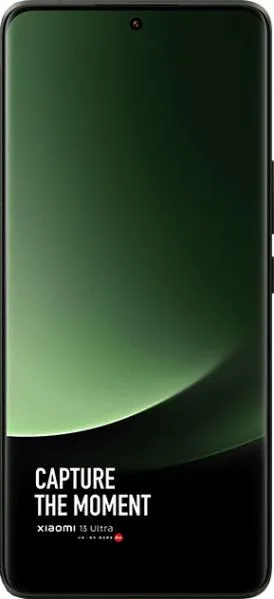
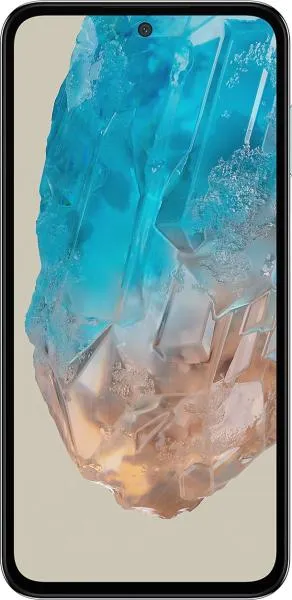
1. Specifications Comparison
| Feature | Xiaomi 13 Ultra | Samsung Galaxy M35 | Practical Impact |
|---|---|---|---|
| Design | |||
| Dimensions (mm) | 163.2 x 74.6 x 9.1 | 162.3 x 78.6 x 9.1 | Xiaomi is slightly taller and narrower. Negligible difference in thickness. |
| Weight (g) | 227 | 222 | Virtually identical weight; both feel substantial in hand. |
| Build Materials | Missing | Missing | Cannot compare build quality and premium feel. |
| Display | |||
| Size (inches) | 6.73 | 6.6 | Xiaomi offers a slightly larger display for more immersive content. |
| Resolution | 1440 x 3200 | 1080 x 2340 | Xiaomi's much higher resolution provides significantly sharper text and images. |
| Panel Type | LTPO AMOLED | Super AMOLED | Both offer vibrant colors and deep blacks. Xiaomi's LTPO allows for dynamic refresh rate adjustment, saving battery. |
| Refresh Rate | 120Hz | 120Hz | Both offer smooth scrolling and animations. |
| Peak Brightness | 2600 nits | 1000 nits (stated) | Xiaomi's display will be much more visible in direct sunlight. |
| Performance | |||
| Chipset | Snapdragon 8 Gen 2 | Exynos 1380 | Xiaomi's flagship processor offers significantly faster performance in demanding tasks and gaming. |
| CPU | Octa-core (1x3.2 GHz Cortex-X3 & ...) | Octa-core (4x2.4 GHz Cortex-A78 & ...) | Xiaomi's CPU has a more powerful core configuration, leading to better multi-tasking and responsiveness. |
| RAM | 12GB (tested) | 8GB (tested) | Xiaomi offers more RAM for smoother multitasking and less app reloading. |
| GPU | Adreno 740 | Mali-G68 MP5 | Xiaomi's GPU provides a substantial advantage in gaming performance and graphics-intensive applications. |
| Camera | |||
| Main Camera | 50MP, 1-inch sensor | 50MP, 1/2-inch sensor | Xiaomi's much larger sensor allows for superior low-light performance and greater depth of field control. |
| Ultrawide | 50MP | 8MP | Xiaomi's ultrawide offers significantly higher resolution and likely better image quality. |
| Telephoto | 50MP (2x and 5x) | Missing | Xiaomi offers versatile telephoto capabilities for zoomed-in shots. Samsung lacks a dedicated telephoto lens. |
| Video | 8K@24fps, 4K@60fps | 4K@30fps | Xiaomi offers higher resolution and frame rate video recording capabilities. |
| Battery | |||
| Capacity | 5000 mAh | 6000 mAh | Samsung has a larger battery capacity, potentially leading to longer battery life despite its less efficient display. |
| Charging Speed | Missing | Missing | Unable to compare charging speeds. |
2. Key Differences Analysis
Xiaomi 13 Ultra Advantages:
- Significantly superior performance: Snapdragon 8 Gen 2 provides a major advantage in speed and graphics.
- Higher resolution and brighter display: Sharper visuals and better outdoor visibility.
- More versatile and advanced camera system: Larger sensor, higher resolution ultrawide and dual telephoto lenses.
- More premium features: LTPO display, faster USB standard (3.2 vs 2.0) impacting data transfer speeds.
Samsung Galaxy M35 Advantages:
- Larger battery capacity: Potentially longer battery life depending on usage.
- Lower price: Significantly more affordable.
3. User Profiles & Recommendations
Xiaomi 13 Ultra: Ideal for power users, photographers, videographers, and gamers who demand top-tier performance, a stunning display, and a cutting-edge camera system. Price is a secondary concern.
Samsung Galaxy M35: Best suited for budget-conscious users who prioritize long battery life and basic smartphone functionality. Performance and camera quality are less critical.
4. Decision Framework
Key Questions for Buyers:
- What is your budget? The Xiaomi 13 Ultra is a premium flagship, while the Samsung Galaxy M35 is a mid-range device.
- What are your primary use cases? Gaming, photography, and demanding tasks benefit from the Xiaomi's power. Basic usage like calling, texting, and social media are well-handled by the Samsung.
- How important are camera quality and display quality? The Xiaomi offers a significant upgrade in both areas.
My Choice: Xiaomi 13 Ultra
While the Samsung Galaxy M35 offers a larger battery and a significantly lower price, the Xiaomi 13 Ultra is the clear winner for me. The vastly superior performance, stunning display, and incredibly versatile camera system are compelling. I prioritize a smooth and responsive user experience, high-quality visuals, and the ability to capture excellent photos and videos. The price premium is justified by the significant leap in capabilities. The Samsung M35 is a solid budget option, but the Xiaomi 13 Ultra offers a truly flagship experience. The lack of detailed camera sensor specifications for the M35 also makes it difficult to fully assess its capabilities. The 1-inch sensor and Leica lens collaboration on the Xiaomi promise exceptional photographic potential.
