1. Specifications Comparison
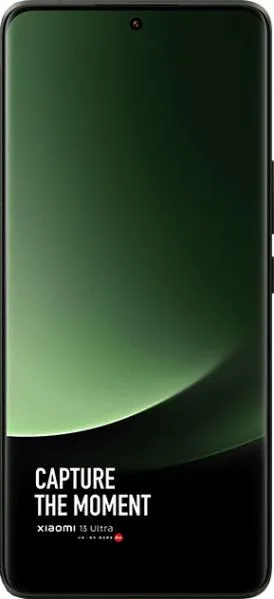
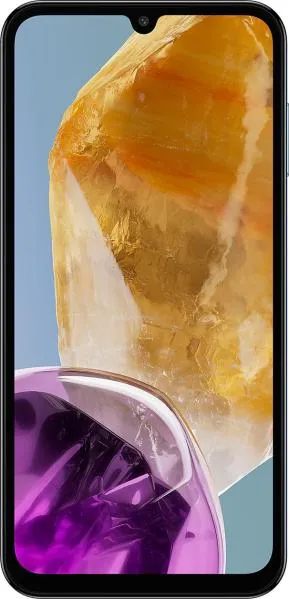
| Feature | Xiaomi 13 Ultra | Samsung Galaxy M15 | Practical Impact |
|---|---|---|---|
| Design | |||
| Dimensions (mm) | 163.2 x 74.6 x 9.1 | 160.1 x 76.8 x 9.3 | Xiaomi is slightly taller and narrower, but negligibly thinner. Both are similar in overall size. |
| Weight (g) | 227 | 217 | Xiaomi is slightly heavier, but the difference is minimal in practical use. |
| Build | Missing | Missing | Build quality and materials cannot be compared due to missing information. |
| Display | |||
| Display Size (inches) | 6.73 | 6.5 | Xiaomi offers a noticeably larger screen for more immersive content consumption. |
| Resolution | 1440 x 3200 | 1080 x 2340 | Xiaomi's significantly higher resolution results in sharper text and images. |
| Display Type | LTPO AMOLED | Super AMOLED | Both offer vibrant colors and deep blacks, but Xiaomi's LTPO panel enables dynamic refresh rate adjustment for better battery efficiency. |
| Refresh Rate (Hz) | 120 | 90 | Xiaomi's higher refresh rate provides smoother scrolling and animations. |
| Peak Brightness (nits) | 2600 | 800 | Xiaomi's much higher peak brightness ensures better visibility in direct sunlight. |
| Performance | |||
| Chipset | Snapdragon 8 Gen 2 | Dimensity 6100+ | Xiaomi's flagship Snapdragon significantly outperforms the mid-range Dimensity in demanding tasks and gaming. |
| CPU | Octa-core (1x3.2 GHz Cortex-X3 & 2x2.8 GHz Cortex-A715 & 2x2.8 GHz Cortex-A710 & 3x2.0 GHz Cortex-A510) | Octa-core (2x2.2 GHz Cortex-A76 & 6x2.0 GHz Cortex-A55) | Xiaomi boasts a more powerful and efficient CPU architecture. |
| GPU | Adreno 740 | Mali-G57 MC2 | Xiaomi offers superior graphics performance for smoother gaming and faster rendering. |
| RAM (GB) | 12/16 | 4/6 | Xiaomi offers significantly more RAM, enabling better multitasking and smoother performance with demanding apps. |
| Camera | |||
| Rear Camera | 50MP Quad Camera | 50MP Triple Camera | Xiaomi's Leica-tuned quad camera system with a 1-inch sensor and advanced features offers potentially superior image quality and versatility. Specific sensor details for the Samsung are lacking. |
| Video Recording | Up to 8K@24fps | Up to 1080p@30fps | Xiaomi offers significantly higher resolution video recording capabilities. |
| Battery | |||
| Capacity (mAh) | 5000 | 6000 | Samsung has a larger battery capacity, potentially offering longer battery life despite its less efficient display. |
2. Key Differences Analysis
Xiaomi 13 Ultra Advantages:
- Flagship Performance: Significantly more powerful processor, GPU, and more RAM for a smoother, faster experience.
- Superior Display: Larger, sharper, brighter, and smoother display with LTPO technology for better power efficiency.
- Advanced Camera System: Leica-tuned quad camera with a 1-inch sensor and versatile lenses for potentially superior image quality.
Samsung Galaxy M15 Advantages:
- Larger Battery: Potentially longer battery life, although real-world usage will depend on other factors.
- Lower Price: Significantly more affordable, catering to budget-conscious consumers.
3. User Profiles & Recommendations
Xiaomi 13 Ultra: Ideal for power users, photographers, videographers, and gamers who demand top-tier performance, a stunning display, and a cutting-edge camera system.
Samsung Galaxy M15: Suitable for budget-conscious users who prioritize battery life and basic functionality over high-end performance and features. Good for everyday tasks like browsing, social media, and light gaming.
4. Decision Framework
Key Questions for Buyers:
- What is your budget? The Xiaomi is a premium flagship device, while the Samsung is a budget-friendly option.
- What are your primary use cases? Gaming, photography, and demanding tasks benefit from the Xiaomi's power. Basic usage and long battery life favor the Samsung.
- How important are display quality and camera performance? The Xiaomi significantly outperforms the Samsung in these areas.
My Choice: Xiaomi 13 Ultra
While the Samsung Galaxy M15 offers a larger battery and a lower price, the Xiaomi 13 Ultra is the clear winner for me. Its superior performance, stunning display, and advanced camera system make it a compelling device. I prioritize a smooth and responsive user experience, high-quality visuals, and the ability to capture excellent photos and videos. The price difference is significant, but the Xiaomi 13 Ultra offers a substantial upgrade in almost every aspect of the user experience. The larger battery of the M15 is tempting, but the Xiaomi's LTPO display likely offsets the difference in battery capacity in real-world usage. The investment in the Xiaomi is justified by its significantly better overall experience for my needs.
