1. Specifications Comparison
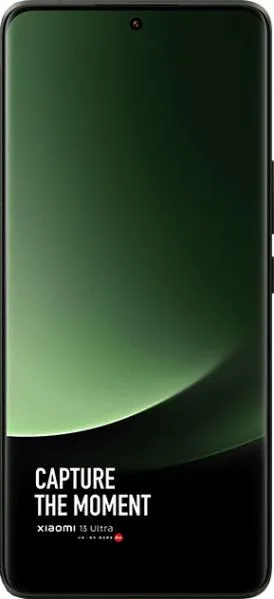
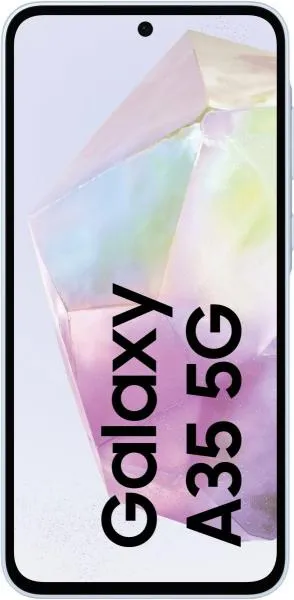
| Feature | Xiaomi 13 Ultra | Samsung Galaxy A35 | Practical Impact |
|---|---|---|---|
| Design | |||
| Dimensions (mm) | 163.2 x 74.6 x 9.1 | 161.7 x 78 x 8.2 | Xiaomi is slightly taller and narrower, Samsung is thinner. Negligible difference in daily use. |
| Weight (g) | 227 | 209 | Xiaomi is noticeably heavier, potentially impacting one-handed use. |
| Build | Unspecified | Unspecified | Build materials impact durability and premium feel. Lack of information limits comparison. |
| Display | |||
| Display Size (inches) | 6.73 | 6.6 | Xiaomi offers a slightly larger display area. |
| Resolution | 1440 x 3200 | 1080 x 2340 | Xiaomi has a significantly sharper display with more detail. Noticeable difference in image and text clarity. |
| Display Type | LTPO AMOLED | Super AMOLED | Both offer vibrant colors and deep blacks. Xiaomi's LTPO allows for dynamic refresh rate adjustment (1-120Hz), potentially saving battery. |
| Peak Brightness (nits) | 2600 | 1000 | Xiaomi's display is much brighter, improving outdoor visibility. |
| Refresh Rate (Hz) | 120 | 120 | Both offer smooth scrolling and animations. |
| Performance | |||
| Chipset | Snapdragon 8 Gen 2 | Exynos 1380 | Xiaomi utilizes a flagship processor, significantly outperforming the Samsung in demanding tasks and gaming. |
| CPU | Octa-core (1x3.2 GHz Cortex-X3 & 2x2.8 GHz Cortex-A715 & 2x2.8 GHz Cortex-A710 & 3x2.0 GHz Cortex-A510) | Octa-core (4x2.4 GHz Cortex-A78 & 4x2.0 GHz Cortex-A55) | Xiaomi's CPU architecture is more powerful and efficient. |
| GPU | Adreno 740 | Mali-G68 MP5 | Xiaomi's GPU offers significantly better graphics performance. |
| RAM | 12GB | 6/8GB | Xiaomi provides significantly more RAM enabling better multitasking and app performance. |
| Camera | |||
| Main Camera (MP) | 50 | 50 | Megapixel count is similar, but sensor size and other factors influence image quality. |
| Sensor Size (Main) | 1" | 1/1.96" | Xiaomi's much larger sensor captures more light, resulting in better low-light performance and dynamic range. |
| Other Cameras | 50MP Wide, 50MP Telephoto (2x), 50MP Periscope Telephoto (5x) | 8MP Wide, 5MP Macro | Xiaomi offers a more versatile camera system with high-resolution telephoto capabilities. |
| Battery | |||
| Capacity (mAh) | 5000 | 5000 | Similar battery capacities suggest comparable battery life, though actual usage will vary. |
| Charging Speed | Unspecified | Unspecified | Charging speed significantly impacts usability. Lack of information limits comparison. |
2. Key Differences Analysis
Xiaomi 13 Ultra Advantages:
- Significantly superior performance: The Snapdragon 8 Gen 2 and higher RAM ensure smoother multitasking, faster app loading, and better gaming capabilities.
- Much better display: Higher resolution, peak brightness, and LTPO technology offer a superior visual experience.
- More versatile and capable camera system: The larger main sensor and dedicated telephoto lenses provide significant advantages in various photography scenarios.
Samsung Galaxy A35 Advantages:
- Lighter and potentially more comfortable for one-handed use.
- Lower price: The A35 is positioned in the mid-range segment, offering a more affordable option.
- Longer software support: Expected to receive OS updates for a longer period.
3. User Profiles & Recommendations
Xiaomi 13 Ultra: Ideal for power users, photographers, videographers, and mobile gamers who demand top-tier performance and camera capabilities. Price is a secondary consideration.
Samsung Galaxy A35: Suited for budget-conscious users who prioritize basic functionality, long software support, and all-day battery life. Performance and camera are less critical.
4. Decision Framework
Key Questions for Buyers:
- What is your budget? The Xiaomi is a significantly more expensive flagship device.
- What are your primary smartphone usage patterns? (e.g., gaming, photography, social media, web browsing).
- How important are performance, camera quality, and display quality to you?
Scenario-Based Recommendations:
- Heavy user demanding top performance: Xiaomi 13 Ultra.
- Budget-conscious user with basic needs: Samsung Galaxy A35.
- Enthusiast photographer/videographer: Xiaomi 13 Ultra.
My Choice: Xiaomi 13 Ultra
While the Samsung Galaxy A35 offers a compelling value proposition for its price, the Xiaomi 13 Ultra is the clear winner for me. I prioritize performance, display quality, and camera capabilities, all areas where the Xiaomi significantly excels. The Snapdragon 8 Gen 2, coupled with ample RAM and the impressive camera system, makes the Xiaomi a true flagship device. While the higher price tag is a consideration, the significant jump in quality and features justifies the investment for my needs. The brighter, sharper LTPO display enhances daily usage, and the versatile camera system opens up creative possibilities. The heavier weight is a minor trade-off for the superior overall experience.
