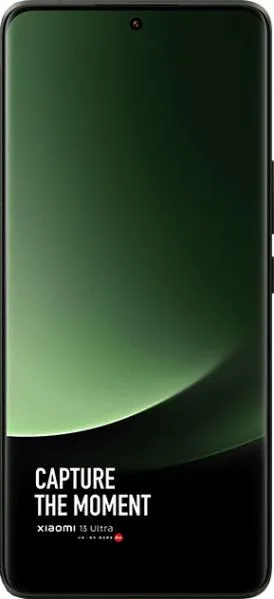
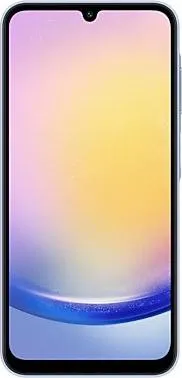
1. Specifications Comparison
| Feature | Xiaomi 13 Ultra | Samsung Galaxy A25 | Practical Impact |
|---|---|---|---|
| Design | |||
| Dimensions (mm) | 163.2 x 74.6 x 9.1 | 161 x 76.5 x 8.3 | The Xiaomi 13 Ultra is slightly larger and thicker. |
| Weight (g) | 227 | 197 | The A25 is noticeably lighter, making it more comfortable for extended use. |
| Build | Missing | Missing | Build quality and materials can significantly impact durability and feel, but we lack this information. |
| Display | |||
| Size (inches) | 6.73 | 6.5 | The 13 Ultra offers a slightly larger screen for more immersive content consumption. |
| Resolution | 1440 x 3200 | 1080 x 2340 | The 13 Ultra has a significantly sharper display (522 ppi vs 396 ppi), resulting in crisper text and images. |
| Type | LTPO AMOLED | Super AMOLED | Both offer vibrant colors and deep blacks. LTPO allows for variable refresh rate, potentially saving battery on the 13 Ultra. |
| Refresh Rate (Hz) | 120 | 120 | Both offer smooth scrolling and animations. |
| Peak Brightness (nits) | 2600 | 1000 | The 13 Ultra's much higher peak brightness ensures better visibility in direct sunlight. |
| Performance | |||
| Chipset | Snapdragon 8 Gen 2 | Exynos 1280 | The 8 Gen 2 is a flagship processor, offering significantly better performance than the mid-range Exynos 1280 in demanding tasks and gaming. |
| CPU | Octa-core (1x3.2 GHz Cortex-X3 & 2x2.8 GHz Cortex-A715 & 2x2.8 GHz Cortex-A710 & 3x2.0 GHz Cortex-A510) | Octa-core (2x2.4 GHz Cortex-A78 & 6x2.0 GHz Cortex-A55) | The 13 Ultra's CPU has a more powerful core configuration, leading to faster processing speeds. |
| RAM | 12GB | 8GB | More RAM in the 13 Ultra enables better multitasking and smoother performance with demanding apps. |
| Camera | |||
| Rear Cameras | 50MP Main, 50MP Wide, 50MP Telephoto (3.2x), 50MP Telephoto (5x) | 50MP Main, 8MP Wide, 2MP Depth | The 13 Ultra boasts a superior camera system with higher resolution sensors, Leica lenses, and versatile zoom capabilities. |
| Front Camera | 32MP | 13MP | The 13 Ultra likely offers better selfie quality with a higher resolution sensor. |
| Video Recording | Up to 8K@24fps | Up to 4K@30fps | The 13 Ultra supports higher resolution video recording. |
| Battery | |||
| Capacity (mAh) | 5000 | 5000 | Similar battery capacities suggest comparable battery life, but real-world usage may vary due to different processors and displays. |
| Charging Speed | Missing | Missing | Charging speed significantly impacts usability, but we lack this crucial data. |
2. Key Differences Analysis
Xiaomi 13 Ultra Advantages:
- Flagship Performance: Significantly more powerful processor, GPU, and more RAM for demanding tasks and gaming.
- Superior Display: Sharper, brighter, and with LTPO technology for better power efficiency.
- Advanced Camera System: Leica-tuned lenses, versatile zoom capabilities, and higher resolution sensors for significantly better photo and video quality.
Samsung Galaxy A25 Advantages:
- Lighter and More Compact: Easier to handle and carry for extended periods.
- Lower Price: Significantly more affordable.
3. User Profiles & Recommendations
Xiaomi 13 Ultra: Ideal for power users, photography enthusiasts, and those who demand the best possible performance and display. Excellent for mobile gaming, content creation, and consuming media.
Samsung Galaxy A25: Suitable for budget-conscious users who prioritize basic smartphone functionality, social media, and light gaming. A good option for those seeking a lightweight and affordable device.
4. Decision Framework
Key Questions for Buyers:
- What is your budget? The 13 Ultra is a premium flagship, while the A25 is a mid-range option.
- What are your primary use cases? Demanding tasks, gaming, and photography benefit from the 13 Ultra's power. Basic usage, social media, and casual gaming are well-suited for the A25.
- Do you prioritize performance, display, and camera quality, or affordability and portability?
My Choice: Xiaomi 13 Ultra
While significantly more expensive, the Xiaomi 13 Ultra offers a substantial upgrade in performance, display, and camera capabilities. As someone who values a smooth user experience, high-quality visuals, and advanced photography features, the 13 Ultra's advantages outweigh the price difference. The Snapdragon 8 Gen 2, coupled with the impressive camera system and stunning display, make it a compelling choice for a power user. Although the A25 provides a good value proposition for its price, it compromises too much on performance and features for my needs. The 13 Ultra's superior hardware ensures a future-proof device capable of handling demanding tasks and providing a premium user experience for years to come.
