1. Specifications Comparison
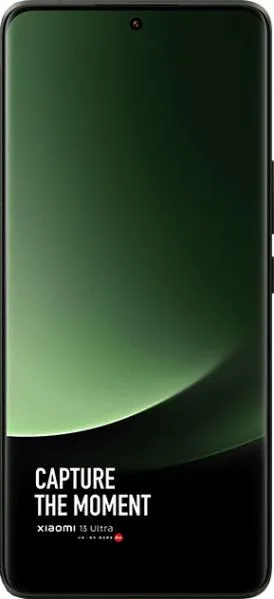
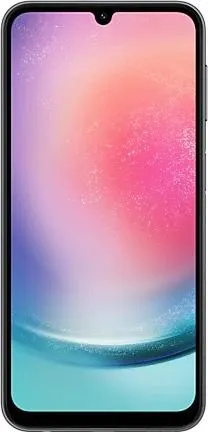
| Feature | Xiaomi 13 Ultra | Samsung Galaxy A24 4G | Practical Impact |
|---|---|---|---|
| Design | |||
| Dimensions (mm) | 163.2 x 74.6 x 9.1 | 162.1 x 77.6 x 8.3 | Xiaomi is slightly taller and thinner. Samsung is wider. Negligible difference in everyday use. |
| Weight (g) | 227 | 195 | Xiaomi is noticeably heavier, potentially impacting one-handed use. |
| Build | Unspecified | Unspecified | Build quality and materials cannot be compared due to missing information. |
| Display | |||
| Size (inches) | 6.73 | 6.5 | Xiaomi offers a slightly larger screen for more immersive content consumption. |
| Resolution | 1440 x 3200 | 1080 x 2340 | Xiaomi's significantly higher resolution provides sharper text and images. |
| Display Type | LTPO AMOLED | Super AMOLED | Both are AMOLED, offering vibrant colors and deep blacks. Xiaomi's LTPO allows for dynamic refresh rate adjustment, potentially saving battery. |
| Refresh Rate | 120Hz | 90Hz | Xiaomi offers smoother scrolling and animations. |
| Peak Brightness | 2600 nits | 1000 nits | Xiaomi's much higher peak brightness ensures better visibility in direct sunlight. |
| Performance | |||
| Chipset | Snapdragon 8 Gen 2 | Helio G99 | Xiaomi's flagship processor significantly outperforms the mid-range Helio G99 in demanding tasks and gaming. |
| CPU | Octa-core (1x3.2 GHz Cortex-X3 & 2x2.8 GHz Cortex-A715 & 2x2.8 GHz Cortex-A710 & 3x2.0 GHz Cortex-A510) | Octa-core (2x2.2 GHz Cortex-A76 & 6x2.0 GHz Cortex-A55) | Xiaomi's CPU offers superior performance across the board. |
| GPU | Adreno 740 | Mali-G57 MC2 | Xiaomi's GPU offers a substantial advantage in graphics performance for gaming and demanding applications. |
| RAM | 12GB | 6GB | Xiaomi offers double the RAM, enabling smoother multitasking and better performance with demanding applications. |
| Camera | |||
| Rear Camera | 50MP Quad Camera | 50MP Triple Camera | Xiaomi features a Leica-tuned quad camera system with a larger 1-inch main sensor and superior telephoto capabilities. |
| Video Recording | Up to 8K@24fps | Up to 1080p@30fps | Xiaomi offers significantly higher video resolution and frame rate options. |
| Battery | |||
| Capacity | 5000 mAh | 5000 mAh | Both phones have the same battery capacity. Actual battery life will depend on usage and optimization. |
| Charging Speed | Unspecified | Unspecified | Charging speeds cannot be compared due to missing information. |
2. Key Differences Analysis
Xiaomi 13 Ultra Advantages:
- Flagship Performance: Significantly more powerful processor, GPU, and more RAM for demanding tasks and gaming.
- Superior Display: Higher resolution, refresh rate, and peak brightness for a more immersive and enjoyable viewing experience.
- Advanced Camera System: Leica-tuned quad camera with a larger sensor, variable aperture, and better telephoto capabilities.
- More Feature-Rich: Includes features like Dolby Vision, HDR10+, USB 3.2 with DisplayPort.
Samsung Galaxy A24 4G Advantages:
- Lighter and More Affordable: Significantly cheaper and lighter, making it more pocket-friendly in both senses.
Trade-offs:
- The Xiaomi 13 Ultra sacrifices affordability and portability for top-tier performance and features.
- The Samsung Galaxy A24 4G sacrifices performance and advanced features for affordability and a lighter weight.
3. User Profiles & Recommendations
Xiaomi 13 Ultra: Ideal for power users, mobile photographers, videographers, and gamers who demand the best performance and features. Suitable for demanding tasks like video editing, gaming, and content creation.
Samsung Galaxy A24 4G: Ideal for budget-conscious users who prioritize essential smartphone functionalities like calling, texting, social media browsing, and light gaming. Suitable for users who want a reliable device without breaking the bank.
4. Decision Framework
Key Questions for Buyers:
- What is your budget? The Xiaomi 13 Ultra is a high-end flagship, while the Samsung Galaxy A24 4G is a mid-range budget device.
- What are your primary use cases? Do you need top-tier performance for demanding tasks or are basic functionalities sufficient?
- How important are camera quality and display quality to you? The Xiaomi 13 Ultra significantly outperforms the Samsung Galaxy A24 4G in both areas.
My Choice: Xiaomi 13 Ultra
While significantly more expensive, the Xiaomi 13 Ultra offers a substantial upgrade in performance, display, and camera capabilities. As someone who values a smooth and responsive user experience, high-quality visuals, and the ability to capture stunning photos and videos, the Xiaomi 13 Ultra's advantages outweigh its higher price and weight. The Snapdragon 8 Gen 2, coupled with 12GB of RAM, ensures future-proofing and seamless multitasking. The superior camera system with Leica tuning is a major draw for photography enthusiasts. Although the Samsung Galaxy A24 4G is a solid budget option, it doesn't meet my personal requirements for performance and features.
