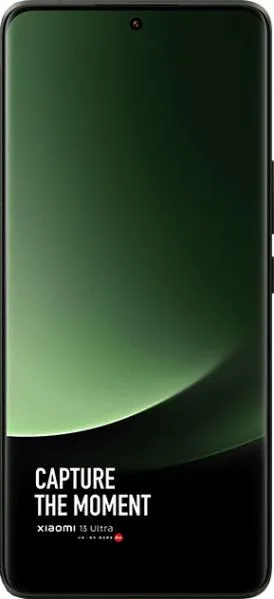
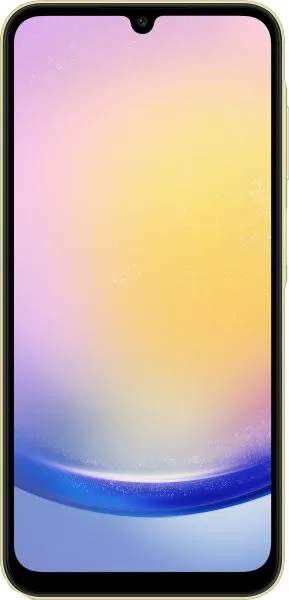
1. Specifications Comparison
| Feature | Xiaomi 13 Ultra | Samsung Galaxy A15 5G | Practical Impact |
|---|---|---|---|
| Design | |||
| Dimensions (mm) | 163.2 x 74.6 x 9.1 | 160.1 x 76.8 x 8.4 | Xiaomi is slightly larger and thicker. |
| Weight (g) | 227 | 200 | Xiaomi is noticeably heavier. May impact one-handed use. |
| Build Materials | Missing | Missing | Cannot compare build quality and durability. |
| Display | |||
| Display Type | LTPO AMOLED | Super AMOLED | Both offer vibrant colors and deep blacks. LTPO allows for dynamic refresh rate, saving battery. |
| Display Size (inches) | 6.73 | 6.5 | Xiaomi offers a larger screen for more immersive media consumption. |
| Resolution | 1440 x 3200 | 1080 x 2340 | Xiaomi has a significantly sharper display. Noticeable difference in clarity for text and images. |
| Refresh Rate (Hz) | 120 | 90 | Xiaomi provides smoother scrolling and animations. |
| Peak Brightness (nits) | 2600 | 800 | Xiaomi's display is much brighter, improving outdoor visibility. |
| Performance | |||
| Chipset | Snapdragon 8 Gen 2 | Dimensity 6100+ | Xiaomi boasts a flagship processor, offering significantly faster performance for demanding tasks and gaming. |
| CPU | Octa-core (1x3.2 GHz Cortex-X3 & 2x2.8 GHz Cortex-A715 & 2x2.8 GHz Cortex-A710 & 3x2.0 GHz Cortex-A510) | Octa-core (2x2.2 GHz Cortex-A76 & 6x2.0 GHz Cortex-A55) | Xiaomi's CPU offers superior performance in multi-tasking, demanding applications, and gaming. |
| GPU | Adreno 740 | Mali-G57 MC2 | Xiaomi offers significantly better graphics performance for gaming and visually intensive tasks. |
| RAM | 12GB | 4/6/8GB | Xiaomi offers more RAM, enabling smoother multitasking and better performance with demanding applications. |
| Camera | |||
| Rear Camera | 50MP Quad Camera System with Leica Optics | 50MP Triple Camera | Xiaomi features a more versatile and advanced camera system with Leica collaboration, implying superior image quality. |
| Video Recording | Up to 8K@24fps | Up to 1080p@30fps | Xiaomi offers substantially higher video resolution and frame rate options. |
| DXOMARK Score | 140 (Mobile), 128 (Selfie) | Missing | Xiaomi's high DXOMARK score indicates superior camera performance, though real-world results can vary. |
| Battery | |||
| Capacity (mAh) | 5000 | 5000 | Both have the same battery capacity. Real-world battery life will depend on usage and efficiency. |
| Charging Speed | Missing | Missing | Cannot compare charging speeds. |
2. Key Differences Analysis
Xiaomi 13 Ultra Advantages:
- Flagship Performance: Significantly faster processor, GPU, and more RAM for a smoother and more responsive experience.
- Superior Display: Larger, sharper, brighter, and smoother display with LTPO technology for better power efficiency.
- Advanced Camera System: Leica-tuned quad-camera setup with larger sensor and 8K video recording capabilities.
Samsung Galaxy A15 5G Advantages:
- Lower Price: Significantly more affordable than the Xiaomi 13 Ultra.
- Lighter Weight: More comfortable for one-handed use.
Trade-offs:
- The Xiaomi 13 Ultra's premium features come at a significantly higher price and heavier weight.
- The Samsung Galaxy A15 5G compromises on performance, display quality, and camera capabilities for affordability.
3. User Profiles & Recommendations
Xiaomi 13 Ultra: Ideal for power users, photographers, videographers, and mobile gamers who demand the best performance, display, and camera quality. Excellent for content creation and consumption.
Samsung Galaxy A15 5G: Suitable for budget-conscious users who prioritize basic functionality, 5G connectivity, and all-day battery life over top-tier performance and features. Good for everyday tasks like browsing, social media, and communication.
4. Decision Framework
Key Questions for Buyers:
- What is your budget? The Xiaomi 13 Ultra is a premium flagship device, while the Samsung A15 5G is a budget-friendly option.
- What are your primary smartphone uses? Identify your most important needs (photography, gaming, everyday tasks).
- How important are performance, display quality, and camera capabilities? The Xiaomi excels in these areas, while the Samsung prioritizes affordability.
Scenario-Based Recommendations:
- Limited Budget, Basic Needs: Samsung Galaxy A15 5G
- Demanding User, No Budget Constraints: Xiaomi 13 Ultra
- Balance of Price and Performance: Consider other options in the mid-range segment.
My Choice: Xiaomi 13 Ultra
While the Samsung Galaxy A15 5G offers good value for its price, I would choose the Xiaomi 13 Ultra. As a smartphone analyst focused on technical details and performance, I prioritize the superior processing power, stunning display, and advanced camera system offered by the Xiaomi. The smoother user experience, higher quality content consumption, and versatile photography capabilities outweigh the higher price and increased weight for my personal needs and preferences. The significant difference in performance and camera quality would be crucial for my analysis work. While budget is a factor, the long-term value and enhanced capabilities of the Xiaomi make it the better choice for me.
