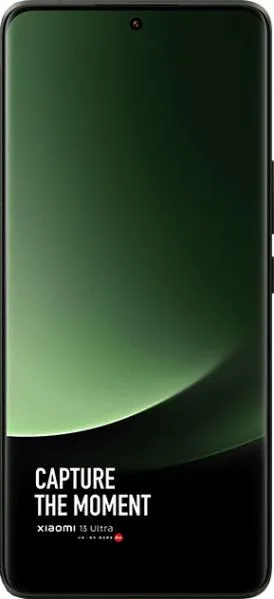
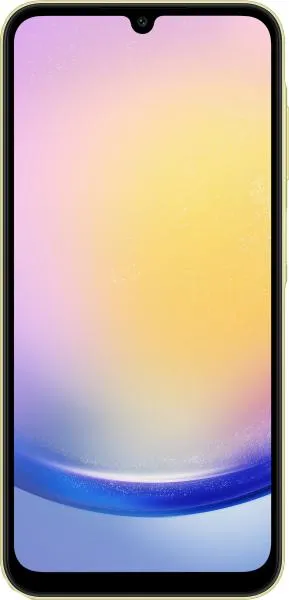
1. Specifications Comparison
| Feature | Xiaomi 13 Ultra | Samsung Galaxy A15 | Practical Impact |
|---|---|---|---|
| Design | |||
| Dimensions (mm) | 163.2 x 74.6 x 9.1 | 160.1 x 76.8 x 8.4 | Xiaomi is slightly taller and narrower, while the A15 is thinner. Negligible difference in everyday use. |
| Weight (g) | 227 | 200 | Xiaomi is noticeably heavier. Can impact one-handed use and pocket comfort. |
| Build Materials | Missing | Missing | Cannot compare build quality and durability. |
| Display | |||
| Display Size (inches) | 6.73 | 6.5 | Xiaomi offers a slightly larger screen for more immersive content consumption. |
| Resolution | 1440 x 3200 | 1080 x 2340 | Xiaomi's significantly higher resolution provides sharper text and images. Noticeable difference in clarity. |
| Display Type | LTPO AMOLED | Super AMOLED | Both are AMOLED, offering vibrant colors and deep blacks. Xiaomi's LTPO panel allows for dynamic refresh rate adjustment, potentially saving battery. |
| Refresh Rate (Hz) | 120 | 90 | Xiaomi's higher refresh rate delivers smoother animations and scrolling. Noticeable difference in fluidity. |
| Peak Brightness (nits) | 2600 | 800 | Xiaomi's much higher peak brightness ensures better visibility outdoors in direct sunlight. |
| Performance | |||
| Chipset | Snapdragon 8 Gen 2 | Mediatek Helio G99 | Xiaomi's flagship processor vastly outperforms the A15's mid-range chip. Significant difference in speed, multitasking, and demanding tasks like gaming. |
| CPU | Octa-core (1x3.2 GHz Cortex-X3 & 2x2.8 GHz Cortex-A715 & 2x2.8 GHz Cortex-A710 & 3x2.0 GHz Cortex-A510) | Octa-core (2x2.2 GHz Cortex-A76 & 6x2.0 GHz Cortex-A55) | Xiaomi's CPU architecture is superior, offering significant performance gains. |
| GPU | Adreno 740 | Mali-G57 MC2 | Xiaomi's GPU provides significantly better gaming and graphics performance. |
| RAM | 12GB | 4/6/8GB depending on version | Xiaomi offers more RAM for smoother multitasking and app switching. |
| Camera | |||
| Rear Camera | 50MP Quad Camera System with Leica lens | 50MP Triple Camera | Xiaomi boasts a more advanced camera system with Leica collaboration, variable aperture, and superior telephoto capabilities. Expect significantly better image quality, especially in low light and zoom scenarios. |
| Video Recording | Up to 8K@24fps | Up to 1080p@30fps | Xiaomi offers vastly superior video recording capabilities. |
| Battery | |||
| Capacity (mAh) | 5000 | 5000 | Similar battery capacity. However, real-world battery life will depend on usage and optimization. Xiaomi's LTPO display might offer better efficiency. |
2. Key Differences Analysis
Xiaomi 13 Ultra Advantages:
- Significantly superior performance: Handles demanding tasks and gaming with ease.
- Much better display: Higher resolution, refresh rate, and peak brightness.
- More advanced camera system: Leica collaboration, variable aperture, and superior zoom capabilities.
- Faster charging: While specifics are missing, flagship phones typically offer faster charging.
Samsung Galaxy A15 Advantages:
- Lower price: Significantly more affordable.
- Lighter weight: More comfortable for extended use and one-handed operation.
3. User Profiles & Recommendations
Xiaomi 13 Ultra: Ideal for power users, photographers, videographers, and gamers who demand top-tier performance and features.
Samsung Galaxy A15: Suitable for budget-conscious users who prioritize essential smartphone functions like calling, texting, social media, and light web browsing.
4. Decision Framework
Key Questions for Buyers:
- What is your budget? The Xiaomi is a premium flagship, while the A15 is a budget-friendly option.
- What are your primary use cases? Do you need top-tier performance for gaming or professional photography/videography, or are you a light user?
- How important are display quality and camera performance? The Xiaomi significantly outperforms the A15 in these areas.
My Choice: Xiaomi 13 Ultra
While significantly more expensive, the Xiaomi 13 Ultra offers a substantial upgrade in every aspect compared to the Samsung Galaxy A15. The superior performance, stunning display, and advanced camera system make it a compelling choice for anyone who demands the best possible smartphone experience. The price difference is justified by the significant leap in quality and capabilities. The A15 is a solid budget option, but it simply cannot compete with the Xiaomi's flagship features.
