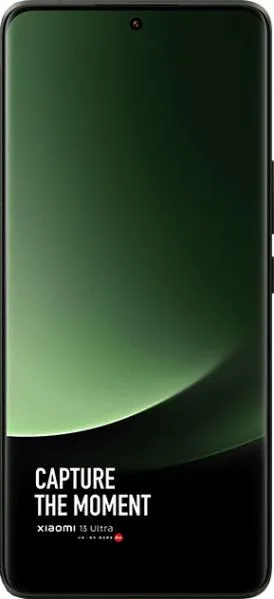
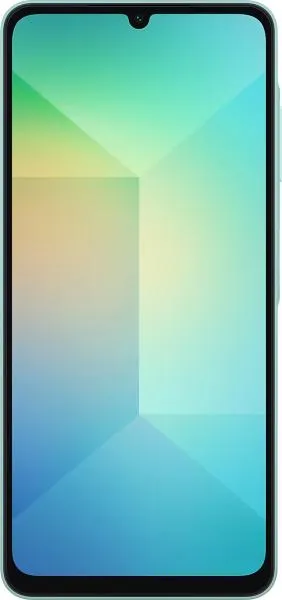
1. Specifications Comparison
| Feature | Xiaomi 13 Ultra | Samsung Galaxy A06 | Practical Impact |
|---|---|---|---|
| Design | |||
| Dimensions (mm) | 163.2 x 74.6 x 9.1 | 167.3 x 77.3 x 8.0 | The Xiaomi 13 Ultra is slightly smaller and thinner. |
| Weight (g) | 227 | 189 | The Galaxy A06 is noticeably lighter. |
| Build | Material specifications missing for both phones, limiting comparison. | ||
| Display | |||
| Display Type | 6.73" LTPO AMOLED | 6.7" PLS LCD | The Xiaomi 13 Ultra's AMOLED offers significantly better contrast, colors, and power efficiency. Its LTPO technology allows for dynamic refresh rate adjustment, saving battery. |
| Resolution | 1440 x 3200 | 720 x 1600 | Much sharper and more detailed visuals on the Xiaomi 13 Ultra. The A06's lower resolution will result in pixelation, especially noticeable in text and images. |
| Refresh Rate | 120Hz | Unspecified | A higher refresh rate provides a smoother user experience for scrolling and gaming, a significant advantage for the Xiaomi phone if the A06 is standard 60Hz. |
| Peak Brightness | 2600 nits | Unspecified | The 13 Ultra will be much more visible in direct sunlight. Missing peak brightness for A06 makes detailed comparison impossible. |
| Performance | |||
| Chipset | Snapdragon 8 Gen 2 | Helio G85 | The Snapdragon 8 Gen 2 vastly outperforms the Helio G85 in processing power and graphics capabilities, resulting in significantly faster app loading, smoother multitasking, and better gaming performance. |
| RAM | 12GB/16GB | 4GB/6GB | More RAM allows for smoother multitasking and handling more demanding applications. The 13 Ultra will handle heavy workloads much better. |
| Storage | 256GB/512GB/1TB | 64GB/128GB | More storage options and significantly larger capacity on the 13 Ultra. |
| Camera | |||
| Rear Camera | 50MP Quad Camera (Leica) | 50MP + 2MP Dual Camera | The 13 Ultra has a superior camera system with Leica optics, offering advanced features, including variable aperture and multiple telephoto lenses, leading to significantly better image quality and versatility. |
| Video Recording | Up to 8K@24fps | Up to 1080p@60fps | The 13 Ultra allows for much higher resolution video recording. |
| Battery | |||
| Capacity | 5000 mAh | 5000 mAh | Similar battery capacities. However, the 13 Ultra's LTPO display and more efficient processor likely contribute to better overall battery life in real-world usage. |
| Charging Speed | Charging speeds not specified for either phone, preventing comparison. |
2. Key Differences Analysis
Xiaomi 13 Ultra Advantages:
- Flagship Performance: Significantly faster processor, more RAM, smoother display.
- Superior Display: Higher resolution, AMOLED technology, 120Hz refresh rate.
- Advanced Camera System: Leica optics, variable aperture, multiple telephoto lenses.
- Premium Features: Dolby Vision, HDR10+, USB 3.2 with DisplayPort.
Samsung Galaxy A06 Advantages:
- Lower Price: Significantly more affordable.
- Lighter Weight: More comfortable for extended use.
3. User Profiles & Recommendations
Xiaomi 13 Ultra: Power users, photographers, videographers, gamers, and those who demand the best possible performance and display quality.
Samsung Galaxy A06: Budget-conscious users who prioritize basic communication and light media consumption. Suitable for users who are not heavy app users or gamers.
4. Decision Framework
Key Questions:
- What is your budget? The 13 Ultra is a premium flagship device, while the A06 is a budget offering.
- What are your primary use cases? The 13 Ultra excels in demanding tasks, while the A06 is sufficient for basic use.
- How important are camera quality and display quality to you? The 13 Ultra offers significant advantages in these areas.
Scenario-Based Recommendations:
- Limited Budget: Choose the Galaxy A06.
- Photography Enthusiast: Choose the Xiaomi 13 Ultra.
- Heavy Gamer: Choose the Xiaomi 13 Ultra.
My Choice: Xiaomi 13 Ultra
While significantly more expensive, the Xiaomi 13 Ultra offers a vastly superior user experience across the board. Its flagship performance, stunning display, and advanced camera system make it a clear winner for me. I prioritize a smooth and responsive user experience, high-quality visuals, and the ability to capture excellent photos and videos. The price difference is substantial, but the value proposition of the 13 Ultra aligns with my needs and preferences. The Galaxy A06, while offering good value for its price, simply cannot compete with the 13 Ultra's overall capabilities.
