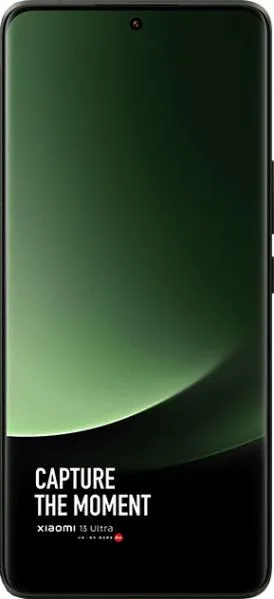
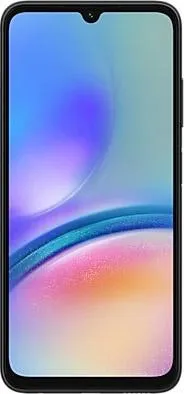
1. Specifications Comparison
| Feature | Xiaomi 13 Ultra | Samsung Galaxy A05s | Practical Impact |
|---|---|---|---|
| Design | |||
| Dimensions (mm) | 163.2 x 74.6 x 9.1 | 168 x 77.8 x 8.8 | A05s slightly larger, but similar thickness. |
| Weight (g) | 227 | 194 | 13 Ultra noticeably heavier, may impact one-handed use. |
| Build | Not specified | Not specified | Build quality and materials unknown, impacting durability and premium feel. |
| Display | |||
| Size (inches) | 6.73 | 6.7 | Negligible size difference. |
| Resolution | 1440 x 3200 | 1080 x 2400 | 13 Ultra significantly sharper, noticeable in text, images, and videos. |
| Type | LTPO AMOLED | PLS LCD | 13 Ultra offers superior contrast, vibrant colors, and power efficiency due to AMOLED and LTPO. |
| Refresh Rate | 120Hz | 90Hz | 13 Ultra provides smoother animations and scrolling. |
| Peak Brightness | 2600 nits | Not specified | 13 Ultra's much higher brightness ensures better outdoor visibility. Missing A05s peak brightness limits comparison. |
| Performance | |||
| Chipset | Snapdragon 8 Gen 2 | Snapdragon 680 4G | 13 Ultra vastly more powerful, enabling demanding gaming, multitasking, and faster app loading. |
| CPU | Octa-core (1x3.2 GHz Cortex-X3 & ...) | Octa-core (4x2.4 GHz Kryo 265 Gold & ...) | 13 Ultra's flagship CPU architecture delivers superior performance in all tasks. |
| GPU | Adreno 740 | Adreno 610 | 13 Ultra's GPU offers significantly better gaming and graphics performance. |
| RAM | 12GB (reviewed model) | 4/6GB | More RAM on the 13 Ultra allows for smoother multitasking and keeping more apps open in the background. |
| Camera | |||
| Rear Camera | 50MP Quad Camera (Leica) | 50MP Triple Camera | 13 Ultra boasts superior lens technology (Leica), larger sensor, and more versatile camera setup with higher quality telephoto capabilities. |
| Front Camera | 32MP | 13MP | Higher resolution selfie camera on the 13 Ultra likely produces more detailed images. |
| Video | 8K@24fps, 4K@60fps | 1080p@60fps | 13 Ultra capable of significantly higher resolution video recording. |
| Battery | |||
| Capacity | 5000 mAh | 5000 mAh | Similar battery capacity. Actual battery life depends on usage and optimization. |
| Charging Speed | Not specified | Not specified | Charging speed comparison impossible without detailed specifications. |
2. Key Differences Analysis
Xiaomi 13 Ultra Advantages:
- Flagship Performance: Significantly faster processor, GPU, and more RAM enable a smooth and responsive experience even with demanding tasks.
- Superior Display: Higher resolution, AMOLED technology, LTPO, and higher peak brightness result in a dramatically better visual experience.
- Advanced Camera System: Leica collaboration, larger sensor, and versatile lenses offer superior image and video quality.
Samsung Galaxy A05s Advantages:
- Lighter Weight: Noticeably lighter, potentially more comfortable for extended use.
- Lower Price: Significantly more affordable.
3. User Profiles & Recommendations
Xiaomi 13 Ultra: Ideal for users who demand top-tier performance, a stunning display, and a cutting-edge camera system. Best suited for power users, mobile gamers, content creators, and photography enthusiasts.
Samsung Galaxy A05s: Best suited for budget-conscious users who prioritize basic functionality and affordability over top-end performance. Ideal for users who primarily use their phones for calling, texting, social media, and light web browsing.
4. Decision Framework
Key Questions for Buyers:
- What is your budget? The 13 Ultra is a premium flagship, while the A05s is a budget-friendly option.
- What are your primary smartphone usage patterns? Demanding tasks require the 13 Ultra's power, while basic usage is well-served by the A05s.
- How important are display quality and camera performance? The 13 Ultra significantly outperforms the A05s in these areas.
My Choice: Xiaomi 13 Ultra
While the Samsung Galaxy A05s offers good value for its price, the Xiaomi 13 Ultra is the clear winner for me. I prioritize a smooth and responsive user experience, a high-quality display, and excellent camera capabilities. The 13 Ultra's powerful hardware, stunning AMOLED screen, and advanced camera system make it a significantly better overall device, justifying the higher price for my needs. I'm willing to compromise on the slightly heavier weight for the significant performance and feature upgrades. The A05s serves a specific market segment, but the 13 Ultra delivers a far more compelling and future-proof experience.
