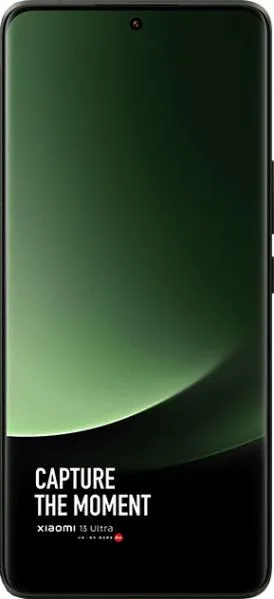
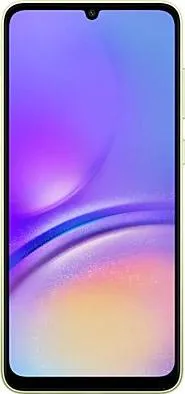
1. Specifications Comparison
| Feature | Xiaomi 13 Ultra | Samsung Galaxy A05 | Practical Impact |
|---|---|---|---|
| Design | |||
| Dimensions (mm) | 163.2 x 74.6 x 9.1 | 168.8 x 78.2 x 8.8 | The A05 is slightly larger and heavier. |
| Weight (g) | 227 | 195 | The 13 Ultra feels more premium due to its weight, likely from higher quality materials. |
| Display | |||
| Display Type | 6.73" LTPO AMOLED | 6.7" PLS LCD | The 13 Ultra's AMOLED display offers significantly better contrast, colors, and viewing angles, along with power-saving variable refresh rate. |
| Resolution | 1440 x 3200 | 720 x 1600 | Much sharper and more detailed visuals on the 13 Ultra. The A05's display will appear pixelated in comparison. |
| Refresh Rate | 120Hz | Unspecified | A higher refresh rate on the 13 Ultra results in smoother scrolling and animations, though the specific refresh rate of the A05 is unknown. |
| Peak Brightness | 2600 nits | Unspecified | The 13 Ultra offers superior outdoor visibility. The A05's unspecified brightness may struggle in direct sunlight. |
| Performance | |||
| Chipset | Snapdragon 8 Gen 2 | MediaTek Helio G85 | The 13 Ultra provides vastly superior processing power, enabling seamless multitasking, demanding gaming, and faster app loading. |
| CPU | Octa-core (1x3.2 GHz Cortex-X3 & 2x2.8 GHz Cortex-A715 & 2x2.8 GHz Cortex-A710 & 3x2.0 GHz Cortex-A510) | Octa-core (2x2.0 GHz Cortex-A75 & 6x1.8 GHz Cortex-A55) | The 13 Ultra's CPU architecture is more modern and powerful. |
| GPU | Adreno 740 | Mali-G52 MC2 | The 13 Ultra's GPU offers a significantly better gaming and graphics rendering experience. |
| RAM | 12GB | 4GB/6GB | More RAM in the 13 Ultra allows for smoother multitasking and keeps more apps open in the background. |
| Camera | |||
| Main Camera | 50MP, Sony IMX989, 1" sensor | 50MP | The 13 Ultra's larger sensor and Leica lens likely result in significantly better image quality, especially in low light. |
| Additional Cameras | 3x 50MP telephoto, Wide Angle + Macro | 2MP Depth Sensor | The 13 Ultra offers versatile telephoto capabilities for zoomed shots, which the A05 lacks. The macro lens allows for detailed close-up shots. |
| Video Recording | 8K@24fps, 4K@60fps | 1080p@30/60fps | The 13 Ultra allows for much higher resolution video recording. |
| Battery | |||
| Capacity | 5000 mAh | 5000 mAh | Similar battery capacities, but real-world battery life will depend on software optimization and power efficiency of the components. The 13 Ultra's more demanding display might drain the battery faster despite the LTPO technology. |
| Charging | Unspecified | Unspecified | Charging speeds are unknown for both devices, limiting comparison. |
2. Key Differences Analysis
Xiaomi 13 Ultra Advantages:
- Flagship Performance: Significantly more powerful processor, GPU, and ample RAM.
- Premium Display: High-resolution, high refresh rate LTPO AMOLED with excellent color accuracy and brightness.
- Versatile Camera System: Leica-tuned lenses, large sensor, multiple telephoto options for a professional photography experience.
Samsung Galaxy A05 Advantages:
- Lower Price: Significantly more affordable.
- Lighter Weight: More comfortable for extended use.
3. User Profiles & Recommendations
Xiaomi 13 Ultra: Power users, photography enthusiasts, content creators, gamers. Users who prioritize performance, display quality, and camera capabilities.
Samsung Galaxy A05: Budget-conscious users, casual users who primarily use their phone for basic tasks like calling, texting, and social media browsing.
4. Decision Framework
Key Questions:
- What is your budget? The 13 Ultra is a high-end flagship, while the A05 is a budget device.
- What are your primary use cases? Gaming, photography, and demanding tasks benefit from the 13 Ultra's power.
- How important is display and camera quality? The 13 Ultra vastly outperforms the A05 in these areas.
My Choice: Xiaomi 13 Ultra
While the Samsung Galaxy A05 offers a budget-friendly option, the Xiaomi 13 Ultra is the clear winner for me. I prioritize performance, a high-quality display, and a versatile camera system. The 13 Ultra's Snapdragon 8 Gen 2, stunning LTPO AMOLED display, and Leica-tuned camera system offer a vastly superior user experience. The significant price difference is justified by the substantial leap in capabilities. Even though the A05's lighter weight might be more comfortable for some, the premium feel and superior performance of the 13 Ultra outweigh that factor for my personal needs. I frequently use my phone for photography, video recording, and gaming, all areas where the 13 Ultra excels.
