
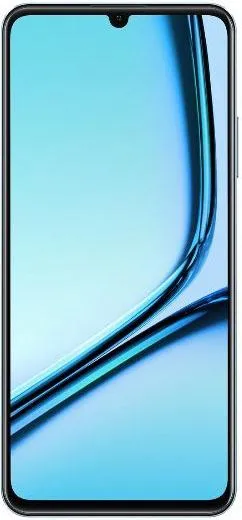
1. Specifications Comparison
| Feature | Xiaomi 13 Ultra | Realme Note 50 | Practical Impact |
|---|---|---|---|
| Design | |||
| Dimensions (mm) | 163.2 x 74.6 x 9.1 | 167.2 x 76.7 x 8 | Xiaomi is slightly smaller and thinner. Realme is lighter. |
| Weight (g) | 227 | 186 | Realme is noticeably lighter for extended use. |
| Build | Unspecified | Unspecified | Build quality and materials impact durability and premium feel; information is missing for both. |
| Display | |||
| Display Type | 6.73" LTPO AMOLED | 6.74" IPS LCD | Xiaomi offers superior contrast, deeper blacks, and potentially better power efficiency due to LTPO. Realme's LCD may be brighter in direct sunlight. |
| Resolution | 1440 x 3200 (522 ppi) | 720 x 1600 (260 ppi) | Xiaomi's display is significantly sharper and more detailed. Realme's lower resolution will result in pixelation and less clarity. |
| Refresh Rate | 120Hz | 90Hz | Xiaomi offers smoother scrolling and animations. While 90Hz is still good, 120Hz provides a more premium experience. |
| HDR | Dolby Vision, HDR10+ | None | Xiaomi supports HDR standards for a wider range of colors and better contrast in compatible content. |
| Peak Brightness | 2600 nits | 560 nits | Xiaomi's display will be far more visible in bright sunlight. |
| Performance | |||
| Chipset | Snapdragon 8 Gen 2 (4nm) | Unisoc Tiger T612 (12nm) | Xiaomi offers flagship-level performance with significantly faster processing speeds and better power efficiency. Realme's chipset is budget-oriented and will struggle with demanding tasks. |
| CPU | Octa-core (up to 3.2 GHz) | Octa-core (up to 1.8 GHz) | Xiaomi's CPU offers significantly faster clock speeds for demanding tasks and multitasking. |
| GPU | Adreno 740 | Mali-G57 | Xiaomi's GPU provides a far superior gaming and graphics rendering experience compared to Realme. |
| RAM | 12GB/16GB | 4GB | Xiaomi offers much more RAM for smoother multitasking and demanding applications. Realme's 4GB RAM might lead to performance bottlenecks. |
| Camera | |||
| Rear Camera | 50MP Quad Camera System with Leica lens | 13MP + 2MP Dual Camera | Xiaomi boasts a vastly superior camera system with higher resolution, advanced features like variable aperture, and Leica collaboration. Realme's camera is basic for everyday snapshots. |
| Video Recording | Up to 8K@24fps | Up to 1080p@30fps | Xiaomi allows for much higher resolution video recording with more advanced features and stabilization. |
| Battery | |||
| Capacity | 5000 mAh | 5000 mAh | Similar battery capacities, but Xiaomi's more efficient processor and LTPO display likely result in better battery life. |
| Charging Speed | Unspecified | Unspecified | Charging speed significantly impacts usability; information is missing for both. |
2. Key Differences Analysis
Xiaomi 13 Ultra Advantages:
- Flagship Performance: Significantly faster processor, GPU, and ample RAM for a smooth and responsive experience.
- Premium Display: High-resolution, 120Hz LTPO AMOLED with HDR support for vibrant visuals and smooth animations.
- Advanced Camera System: Leica-tuned quad camera system with variable aperture and 8K video recording capabilities.
Realme Note 50 Advantages:
- Lightweight: Noticeably lighter than the Xiaomi 13 Ultra, making it more comfortable for extended use.
- Lower Price: Significantly more affordable, catering to budget-conscious consumers.
3. User Profiles & Recommendations
Xiaomi 13 Ultra: Ideal for users who demand top-tier performance, a premium display, and advanced camera capabilities. Suitable for power users, gamers, photographers, and videographers.
Realme Note 50: Suitable for budget-conscious users who prioritize basic functionality for everyday tasks like calling, texting, and web browsing. Not recommended for demanding applications or media consumption.
4. Decision Framework
Key Questions:
- What is your budget? The Xiaomi 13 Ultra is a high-end flagship, while the Realme Note 50 is a budget device.
- What are your performance needs? For demanding tasks and gaming, the Xiaomi 13 Ultra is significantly better.
- How important is camera quality? The Xiaomi 13 Ultra offers a vastly superior camera system.
Scenario-Based Recommendations:
- Heavy user, gamer, photographer: Xiaomi 13 Ultra
- Budget-conscious user with basic needs: Realme Note 50
My Choice: Xiaomi 13 Ultra
While significantly more expensive, the Xiaomi 13 Ultra offers a vastly superior user experience in almost every aspect. Its flagship performance, stunning display, and advanced camera system make it a clear winner for me. The Realme Note 50's lower price is tempting, but the compromises in performance and features are too significant to ignore. I prioritize a smooth, responsive experience with high-quality visuals and camera capabilities, all of which the Xiaomi 13 Ultra delivers. The weight difference is noticeable but not a deal-breaker for me. I value long-term performance and satisfaction over marginal weight savings.
