1. Specifications Comparison
| Feature | Xiaomi 13 Ultra | Realme C65 | Practical Impact |
|---|---|---|---|
| Design | |||
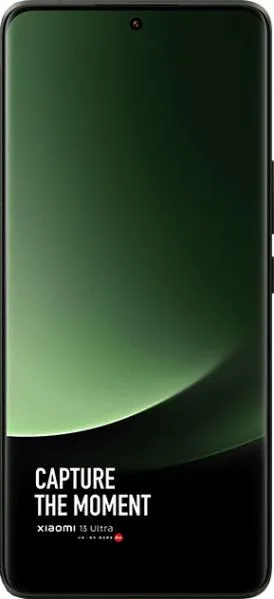
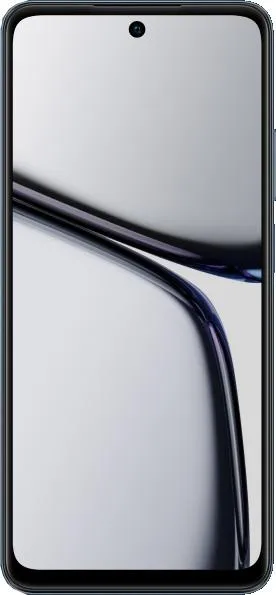
| Dimensions (mm) | 163.2 x 74.6 x 9.1 | 164.6 x 76.1 x 7.6 | The Xiaomi 13 Ultra is slightly smaller in width and significantly thinner, but a bit taller. The Realme C65 is lighter. |
| Weight (g) | 227 | 185 | The Realme C65 is noticeably lighter for daily use. |
| Build Materials | Missing | Missing | Build quality and durability cannot be compared without this information. |
| Display | |||
| Display Type | 6.73" LTPO AMOLED | 6.67" IPS LCD | The Xiaomi's AMOLED display provides significantly better contrast, deeper blacks, and potentially higher brightness, resulting in a superior viewing experience. The LTPO technology also allows for dynamic refresh rate adjustment, saving battery. |
| Resolution | 1440 x 3200 | 720 x 1604 | The Xiaomi 13 Ultra boasts a much sharper display (522 ppi vs 264 ppi) resulting in significantly clearer text and images. |
| Refresh Rate | 120Hz | 90Hz | Both offer smooth scrolling, but the 120Hz on the Xiaomi 13 Ultra will be perceptibly smoother, especially in fast-paced games. |
| Peak Brightness | 2600 nits | 625 nits (HBM) | The Xiaomi 13 Ultra is drastically brighter, making it much more usable in direct sunlight. |
| Performance | |||
| Chipset | Snapdragon 8 Gen 2 | Helio G85 | The Snapdragon 8 Gen 2 is a flagship chipset offering significantly faster processing speeds, smoother multitasking, and superior gaming performance compared to the mid-range Helio G85. |
| CPU | Octa-core (1x3.2 GHz Cortex-X3 & ...) | Octa-core (2x2.0 GHz Cortex-A75 & ...) | The Xiaomi 13 Ultra has a more powerful and efficient CPU architecture, leading to a substantial performance difference in demanding tasks. |
| GPU | Adreno 740 | Mali-G52 MC2 | The Adreno 740 offers significantly better graphics performance for gaming and other visually demanding tasks. |
| RAM | 12GB | 8GB | The Xiaomi 13 Ultra offers more RAM enabling better multitasking and smoother performance with numerous apps open. |
| Camera | |||
| Main Camera | 50MP Sony IMX989 (1-inch sensor) | 50MP Samsung S5KJN1 | The Xiaomi utilizes a much larger sensor, promising superior low-light performance, dynamic range, and overall image quality. |
| Other Cameras | 3 x 50MP Telephoto + Wide + Macro | 2MP Depth + 8MP Selfie | The Xiaomi offers a more versatile camera system with multiple high-resolution lenses for various shooting scenarios. The Realme C65's secondary cameras are basic. |
| Battery | |||
| Capacity | 5000 mAh | 5000 mAh | Similar battery capacities, but real-world battery life will depend on software optimization and display power consumption. Expect the Xiaomi to drain faster due to the higher resolution and refresh rate display. |
| Charging Speed | Missing | Missing | Charging speed comparison is impossible without this information. |
2. Key Differences Analysis
Xiaomi 13 Ultra Advantages:
- Flagship Performance: Significantly faster processor, GPU, and more RAM for demanding tasks and gaming.
- Superior Display: Brighter, sharper, and smoother AMOLED display with better color reproduction.
- Versatile Camera System: High-resolution lenses, including a large 1-inch sensor and multiple telephoto options.
Realme C65 Advantages:
- Lower Price: Significantly more affordable.
- Lighter Weight: More comfortable for extended use.
Trade-offs:
- Performance vs. Price: The Xiaomi 13 Ultra offers top-tier performance at a premium price, while the Realme C65 compromises performance for affordability.
- Display Quality vs. Battery Life: The Xiaomi's advanced display features may consume more power compared to the Realme C65's basic LCD.
3. User Profiles & Recommendations
Xiaomi 13 Ultra:
- Ideal User: Power users, mobile photographers/videographers, gamers, those seeking the best possible smartphone experience.
- Use Cases: Demanding applications, high-end gaming, professional photography/videography, content creation.
Realme C65:
- Ideal User: Budget-conscious users, casual users primarily focused on basic tasks like calling, texting, social media, and light web browsing.
- Use Cases: Everyday communication, social media, web browsing, casual photography.
4. Decision Framework
Key Questions for Buyers:
- What is your budget? The price difference is substantial.
- What are your primary smartphone usage patterns? Heavy usage requires performance; casual usage doesn't.
- How important are camera quality and display quality to you? The Xiaomi significantly excels in these areas.
Scenario-Based Recommendations:
- Limited Budget: Realme C65
- Prioritize Performance and Features: Xiaomi 13 Ultra
- Balanced Approach: Consider other options in the upper mid-range segment that offer a better balance between price and performance.
My Choice: Xiaomi 13 Ultra
While significantly more expensive, the Xiaomi 13 Ultra offers a vastly superior user experience across the board. The flagship performance, stunning display, and versatile camera system are compelling. As someone who values a smooth, responsive device with excellent media consumption and creation capabilities, the Xiaomi 13 Ultra aligns perfectly with my needs. The price premium is justified by the significant jump in quality and features. While the Realme C65 provides decent value for its price, it's geared towards a completely different user with vastly different needs and expectations.
