1. Specifications Comparison
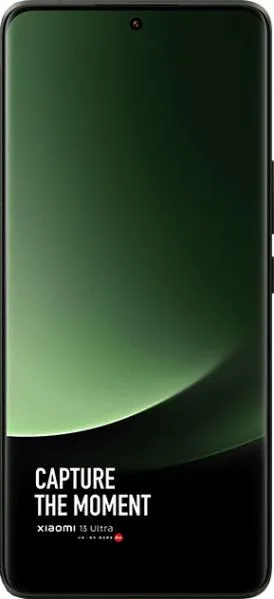
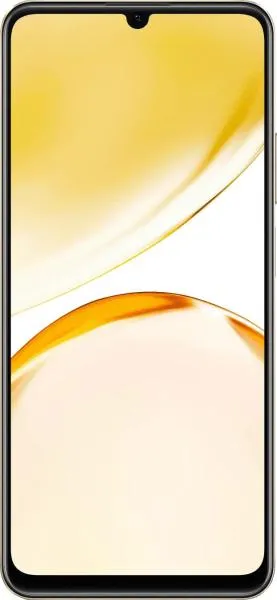
| Feature | Xiaomi 13 Ultra | Realme C53 | Practical Impact |
|---|---|---|---|
| Design | |||
| Dimensions (mm) | 163.2 x 74.6 x 9.1 | 167.3 x 76.7 x 7.5 | The Xiaomi 13 Ultra is slightly smaller and significantly thinner. The Realme C53 is lighter. |
| Weight (g) | 227 | 182 | The Realme C53 is noticeably lighter for everyday use. |
| Build | Not specified | Not specified | Build quality and materials impact durability and premium feel, but cannot be compared here. |
| Display | |||
| Display Type | 6.73" LTPO AMOLED | 6.74" IPS LCD | The Xiaomi's AMOLED offers significantly better contrast, deeper blacks, and potentially higher brightness, resulting in a superior visual experience. LTPO allows for dynamic refresh rate adjustment, saving battery. |
| Resolution | 1440 x 3200 | 1080 x 2400 | Much sharper and more detailed visuals on the Xiaomi 13 Ultra. Noticeable difference in clarity for text, images, and videos. |
| Refresh Rate | 120Hz | 90Hz | Smoother animations and scrolling on the Xiaomi, but the difference might not be noticeable for all users. |
| Peak Brightness | 2600 nits | 560 nits | The Xiaomi 13 Ultra will be far more readable in direct sunlight. |
| Performance | |||
| Chipset | Snapdragon 8 Gen 2 | Unisoc Tiger T612 | The Snapdragon 8 Gen 2 is a flagship processor, offering vastly superior performance in demanding tasks, gaming, and multitasking compared to the budget-oriented Unisoc Tiger T612. |
| CPU | Octa-core (1x3.2 GHz Cortex-X3 & 2x2.8 GHz Cortex-A715 & 2x2.8 GHz Cortex-A710 & 3x2.0 GHz Cortex-A510) | Octa-core (2x1.8 GHz Cortex-A75 & 6x1.8 GHz Cortex-A55) | Significant performance advantage for the Xiaomi. Faster app loading, smoother UI, and better handling of demanding games. |
| GPU | Adreno 740 | Mali-G57 | The Adreno 740 provides a significantly better gaming and graphics rendering experience compared to the Mali-G57. |
| RAM | 12GB | 6/8GB (Variant Dependent) | More RAM on the Xiaomi allows for more apps to run in the background and better multitasking performance. |
| Camera | |||
| Main Camera | 50MP, Sony IMX989, 1" sensor | 50MP | The Xiaomi utilizes a much larger sensor, leading to significantly better low-light performance, dynamic range, and overall image quality. Leica lens likely contributes to superior image quality. |
| Other Cameras | 50MP Ultrawide, 50MP Telephoto (2x), 50MP Periscope Telephoto (5x) | 2MP Depth Sensor | The Xiaomi offers a far more versatile camera system with high-quality zoom capabilities. |
| Video Recording | Up to 8K@24fps | Up to 1080p@30fps | The Xiaomi offers significantly higher resolution and frame rate options for video recording. |
| Battery | |||
| Capacity | 5000 mAh | 5000 mAh | Similar battery capacities, but real-world battery life will depend on software optimization and display efficiency. Expect the Xiaomi's LTPO display to contribute to better battery life. |
| Charging Speed | Not specified | Not specified | Charging speed significantly impacts usability, but cannot be compared here. |
2. Key Differences Analysis
Xiaomi 13 Ultra Advantages:
- Flagship Performance: Significantly faster processor, GPU, and more RAM for a smooth and responsive experience.
- Superior Display: High-resolution AMOLED with LTPO for vibrant colors, deep blacks, and excellent power efficiency.
- Versatile Camera System: High-quality Leica lenses, a large 1-inch main sensor, and multiple telephoto options for exceptional photography.
- Premium Build: Though materials aren't specified, being a flagship, likely utilizes high-quality materials.
Realme C53 Advantages:
- Lightweight: Noticeably lighter than the Xiaomi, making it more comfortable for extended use.
- Lower Price: Significantly more affordable, catering to budget-conscious consumers.
- Large Display: Offers a large screen size for media consumption.
Trade-offs:
- The Realme C53 sacrifices performance, camera quality, and display quality for affordability.
- The Xiaomi 13 Ultra comes at a premium price for its high-end features.
3. User Profiles & Recommendations
Xiaomi 13 Ultra: Ideal for users who demand top-tier performance, a premium display, and a versatile camera system. Excellent for mobile photography enthusiasts, gamers, and power users. Use cases include: demanding mobile gaming, professional photography/videography, content creation, and multitasking.
Realme C53: Suitable for budget-conscious users who prioritize basic smartphone functionality, a large screen, and long battery life. Best for casual users focused on communication, web browsing, social media, and light content consumption.
4. Decision Framework
Key Questions for Buyers:
- What is your budget? The Xiaomi is a premium flagship, while the Realme is a budget device.
- What are your primary use cases? Gaming, photography, and demanding tasks benefit from the Xiaomi's power. Basic usage is well-served by the Realme.
- How important are display and camera quality? The Xiaomi vastly outperforms the Realme in these areas.
Scenario-Based Recommendations:
- Limited Budget: Realme C53
- Photography Enthusiast: Xiaomi 13 Ultra
- Mobile Gamer: Xiaomi 13 Ultra
- Casual User: Realme C53
My Choice: Xiaomi 13 Ultra
While significantly more expensive, the Xiaomi 13 Ultra offers a substantial leap in performance, display quality, and camera capabilities. The Snapdragon 8 Gen 2, the high-resolution AMOLED with LTPO, and the Leica camera system make it a truly compelling device. As someone who values a smooth user experience, excellent photography, and future-proofing, the Xiaomi 13 Ultra is the clear winner for me. The Realme C53, while offering good value for its price, simply cannot compete with the overall package offered by the Xiaomi. The significant difference in user experience justifies the price premium for my needs.
