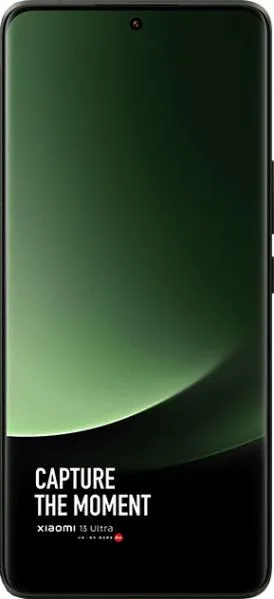
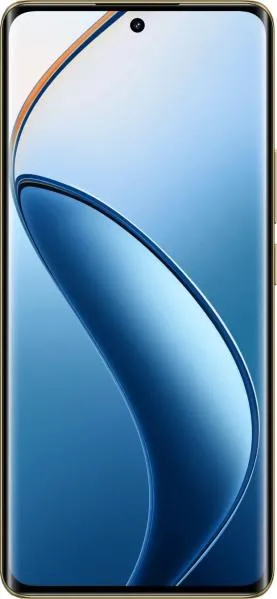
1. Specifications Comparison
| Feature | Xiaomi 13 Ultra | Realme 12 Pro | Practical Impact |
|---|---|---|---|
| Design | |||
| Dimensions (mm) | 163.2 x 74.6 x 9.1 | 161.5 x 74 x 8.8 | Xiaomi 13 Ultra is slightly larger and thicker. |
| Weight (g) | 227 | 190 | Realme 12 Pro is noticeably lighter, improving one-handed use. |
| Display | |||
| Display Type | LTPO AMOLED | AMOLED | Xiaomi's LTPO panel allows for dynamic refresh rate, saving battery. |
| Size (inches) | 6.73 | 6.7 | Negligible size difference. |
| Resolution | 1440 x 3200 | 1080 x 2412 | Xiaomi offers significantly sharper visuals (522 vs 394 PPI). |
| Peak Brightness | 2600 nits | 950 nits | Xiaomi's display is much brighter, ensuring better outdoor visibility. |
| Color Depth | 68B | 1B | Xiaomi offers a wider color gamut for more accurate and vibrant colors. |
| Refresh Rate | 120Hz | 120Hz | Both offer smooth scrolling and animations. |
| Performance | |||
| Chipset | Snapdragon 8 Gen 2 | Snapdragon 6 Gen 1 | Xiaomi boasts a flagship chipset, resulting in significantly faster performance for demanding tasks and gaming. |
| CPU | Octa-core (1x3.2 GHz Cortex-X3 & 2x2.8 GHz Cortex-A715 & 2x2.8 GHz Cortex-A710 & 3x2.0 GHz Cortex-A510) | Octa-core (4x2.2 GHz Cortex-A78 & 4x1.8 GHz Cortex-A55) | Xiaomi's CPU is considerably more powerful. |
| GPU | Adreno 740 | Adreno 710 | Xiaomi's GPU provides a superior gaming and graphics rendering experience. |
| RAM | 12GB | 8GB | Xiaomi offers more RAM for better multitasking and app switching. |
| Camera | |||
| Main Camera | 50MP, Sony IMX989, 1-inch sensor | 50MP, Sony IMX882, 1/2-inch sensor | Xiaomi's larger sensor allows for significantly better low-light performance and depth of field. |
| Ultrawide | 50MP | 8MP | Xiaomi offers much higher resolution and likely better image quality. |
| Telephoto | 50MP (2x) + 50MP (3.2x) | 2x optical zoom, details on MP missing | Xiaomi's dual telephoto setup offers greater versatility and reach. |
| Video | Up to 8K@24fps | Up to 4K@30fps | Xiaomi offers higher resolution video recording. |
| Battery | |||
| Capacity | 5000 mAh | 5000 mAh | Similar battery capacity. Real-world battery life will depend on optimization and usage. |
| USB Version | USB Type-C 3.2 | USB Type-C 2.0 | Xiaomi offers faster data transfer speeds. |
2. Key Differences Analysis
Xiaomi 13 Ultra Advantages:
- Flagship Performance: Significantly faster processor, GPU, and more RAM.
- Superior Display: Higher resolution, brighter, wider color gamut, and battery-saving LTPO technology.
- Advanced Camera System: Larger main sensor, higher resolution ultrawide and telephoto lenses, 8K video recording.
Realme 12 Pro Advantages:
- Lighter and More Affordable: Noticeably lighter and significantly cheaper.
Trade-offs:
- Performance vs. Price: Realme sacrifices performance for affordability.
- Camera Quality vs. Price: Realme compromises camera capabilities for a lower price point.
3. User Profiles & Recommendations
Xiaomi 13 Ultra: Ideal for power users, photographers, videographers, and mobile gamers who demand the best performance and camera quality. Excellent for content creation, demanding applications, and immersive gaming.
Realme 12 Pro: Suitable for budget-conscious users who prioritize affordability and a lightweight design. Good for everyday tasks like browsing, social media, and casual gaming. Not recommended for heavy multitasking or demanding applications.
4. Decision Framework
Key Questions for Buyers:
- What is your budget? The Xiaomi is a high-end flagship, while the Realme is a mid-range option.
- What are your primary smartphone uses? Consider whether you need top-tier performance or if basic functionality suffices.
- How important are camera quality and display to you? The Xiaomi significantly outperforms the Realme in these areas.
Scenario-Based Recommendations:
- Heavy User: If you are a power user, the Xiaomi 13 Ultra is the clear choice.
- Budget-Conscious: If price is your primary concern, the Realme 12 Pro is more affordable.
- Casual User: If you are a light user, the Realme 12 Pro might be sufficient, but consider the long-term benefits of the Xiaomi's superior performance and longevity.
My Choice: Xiaomi 13 Ultra
While significantly more expensive, the Xiaomi 13 Ultra offers a substantial upgrade in almost every aspect. The superior performance, stunning display, and advanced camera system make it a future-proof investment. The Snapdragon 8 Gen 2 ensures smooth performance for years to come, and the 1-inch camera sensor provides a significant advantage in image quality. For me, the long-term benefits and enhanced user experience justify the higher price. The Realme 12 Pro, while a decent mid-range option, simply can't compete with the overall package offered by the Xiaomi 13 Ultra. The lighter weight of the Realme is appealing, but not enough to outweigh the Xiaomi's advantages in performance, display, and camera.
