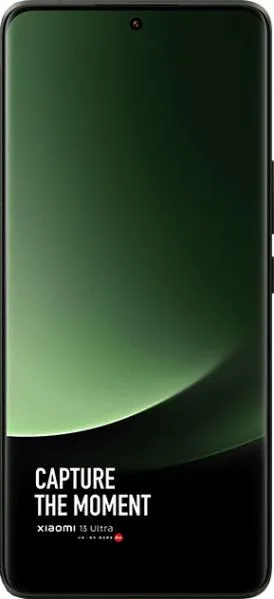

1. Specifications Comparison
| Feature | Xiaomi 13 Ultra | Realme 12+ | Practical Impact |
|---|---|---|---|
| Design | |||
| Dimensions (mm) | 163.2 x 74.6 x 9.1 | 163 x 75.5 x 7.9 | Xiaomi is slightly thinner but heavier. Realme 12+ is lighter and might feel better in hand for extended use. |
| Weight (g) | 227 | 190 | Significant weight difference; Realme 12+ will be noticeably more comfortable for one-handed use and extended periods. |
| Build Material | N/A | N/A | Build material information missing for both phones, limiting durability and premium feel assessment. |
| Display | |||
| Size (inches) | 6.73 | 6.67 | Negligible size difference. |
| Resolution | 1440 x 3200 | 1080 x 2400 | Xiaomi offers significantly sharper visuals due to higher resolution (QHD+ vs. FHD+). Noticeable difference in clarity for text, images, and videos. |
| Display Type | LTPO AMOLED | AMOLED | Both offer vibrant colors and deep blacks. Xiaomi's LTPO panel allows for dynamic refresh rate adjustment (1-120Hz), saving battery while maintaining smooth scrolling. |
| Peak Brightness (nits) | 2600 | 2000 | Xiaomi's display will be more visible in direct sunlight. |
| Performance | |||
| Chipset | Snapdragon 8 Gen 2 | Dimensity 7050 | Xiaomi offers significantly faster CPU and GPU performance, resulting in smoother multitasking, gaming, and demanding applications. |
| CPU | Octa-core (1x3.2 GHz...) | Octa-core (2x2.6 GHz...) | Xiaomi's CPU architecture and higher clock speeds offer superior performance. |
| RAM | 12GB | 8GB | Xiaomi offers more RAM, enabling better multitasking and smoother performance with multiple apps open. |
| Camera | |||
| Main Camera | 50MP (Sony IMX989, 1") | 50MP (Sony LYT-600, 1/2") | Xiaomi boasts a larger sensor size, promising better low-light performance and depth of field. Realme's sensor model is newer, though smaller. |
| Camera Features | Leica tuned, Variable Aperture | Xiaomi's camera system is Leica tuned and offers a variable aperture for more creative control over depth of field. | |
| Battery | |||
| Capacity (mAh) | 5000 | 5000 | Both phones have the same battery capacity, but real-world battery life will depend on optimization and usage patterns. |
| Charging Speed | N/A | N/A | Charging speed information missing for both phones, limiting comparison of charging times. |
2. Key Differences Analysis
Xiaomi 13 Ultra Advantages:
- Superior Performance: Significantly faster processor and more RAM for a smoother, more responsive user experience.
- Higher Resolution Display: Sharper and more detailed visuals.
- Advanced Camera System: Larger sensor, Leica tuning, and variable aperture for superior image quality and creative control.
- LTPO Display: Dynamic refresh rate for improved battery efficiency.
Realme 12+ Advantages:
- Lighter and Potentially More Comfortable: Noticeably lighter for easier one-handed use.
- Lower Price: Significantly more affordable.
3. User Profiles & Recommendations
Xiaomi 13 Ultra: Ideal for power users, photographers, and videographers who demand top-tier performance, a stunning display, and a cutting-edge camera system. Excellent for demanding tasks like mobile gaming, video editing, and content creation.
Realme 12+: Suitable for budget-conscious users who prioritize a lightweight phone with a good AMOLED display for everyday tasks like social media, browsing, and casual gaming. A good option for those seeking value for their money.
4. Decision Framework
Key Questions for Buyers:
- What is your budget? The Xiaomi 13 Ultra is a premium flagship device, while the Realme 12+ is a mid-range option.
- What are your primary use cases? Consider whether you need the extra performance and camera capabilities of the Xiaomi or if the Realme's features are sufficient for your needs.
- How important is display quality and refresh rate? The Xiaomi's QHD+ LTPO AMOLED display is superior, but the Realme's AMOLED display is still good.
My Choice: Xiaomi 13 Ultra
While the Realme 12+ offers excellent value, the Xiaomi 13 Ultra is the clear winner for me. The superior performance, significantly better display, and advanced camera system justify the higher price. I prioritize a smooth and responsive user experience, a sharp display for consuming content, and a capable camera for capturing high-quality photos and videos. The LTPO display is a bonus for balancing battery life and smooth scrolling. While the weight difference is noticeable, the performance and feature advantages of the Xiaomi 13 Ultra outweigh this for my personal needs. The Realme 12+ is a compelling option for budget-minded buyers, but the Xiaomi 13 Ultra represents a significant step up in overall quality and capabilities.
