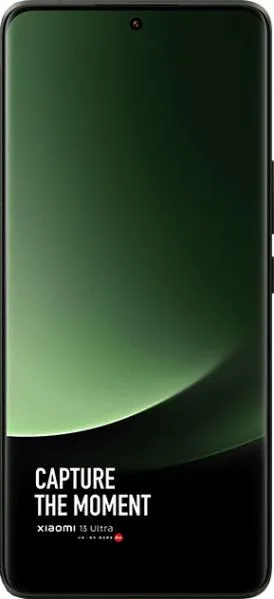
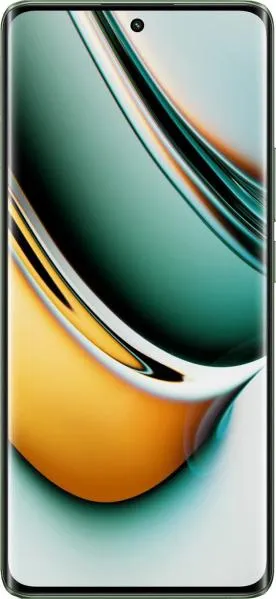
1. Specifications Comparison
| Feature | Xiaomi 13 Ultra | Realme 11 Pro+ | Practical Impact |
|---|---|---|---|
| Design | |||
| Dimensions (mm) | 163.2 x 74.6 x 9.1 | 161.6 x 73.9 x 8.2 | Xiaomi is slightly larger and thicker. Realme is noticeably lighter. Realme might feel more comfortable for one-handed use due to its lighter weight (227g vs 183g). |
| Weight (g) | 227 | 183 | Realme is significantly lighter, making it more comfortable for extended use. |
| Build | Not specified | Not specified | Build materials impact durability and premium feel. This information is missing. |
| Display | |||
| Display Size (inches) | 6.73 | 6.7 | Negligible difference in screen real estate. |
| Resolution | 1440 x 3200 | 1080 x 2412 | Xiaomi has a significantly sharper display (522 ppi vs 394 ppi), resulting in crisper text and images. |
| Display Type | LTPO AMOLED | AMOLED | Both offer vibrant colors and deep blacks. Xiaomi's LTPO panel allows for dynamic refresh rate adjustment, potentially saving battery life. |
| Refresh Rate (Hz) | 120 | 120 | Both offer smooth scrolling and animations. |
| Peak Brightness (nits) | 2600 | 950 | Xiaomi's display is much brighter, ensuring better visibility in direct sunlight. |
| Performance | |||
| Chipset | Snapdragon 8 Gen 2 | Dimensity 7050 | Xiaomi features a flagship processor, offering significantly better performance in demanding tasks and gaming. |
| CPU | Octa-core (1x3.2 GHz Cortex-X3 & 2x2.8 GHz Cortex-A715 & 2x2.8 GHz Cortex-A710 & 3x2.0 GHz Cortex-A510) | Octa-core (2x2.6 GHz Cortex-A78 & 6x2.0 GHz Cortex-A55) | Xiaomi's CPU boasts a more powerful core configuration, leading to faster processing speeds. |
| GPU | Adreno 740 | Mali-G68 MC4 | Xiaomi's GPU provides a substantial advantage in graphics performance, crucial for gaming and visually intensive applications. |
| RAM | 12GB (listed example) | 12GB (listed example) | Both offer ample RAM for multitasking, although performance differences will stem primarily from the chipset. |
| Camera | |||
| Main Camera (MP) | 50 | 200 | Realme boasts a higher megapixel count, potentially capturing more detail. However, sensor size and processing are crucial for overall image quality. |
| Sensor Size | 1-inch (Main) | 1/1.4-inch (Main) | Xiaomi's larger main sensor generally allows for better low-light performance and depth of field. |
| Other Cameras | 3x 50MP Telephoto, Wide, Macro | 8MP Wide, 2MP Macro | Xiaomi offers a more versatile camera system with high-resolution telephoto lenses. |
| Battery | |||
| Capacity (mAh) | 5000 | 5000 | Similar battery capacity suggests comparable battery life, but real-world usage will depend on optimization and display power consumption. |
| Charging Speed | Not specified | Not specified | Charging speed significantly impacts usability. This information is lacking. |
2. Key Differences Analysis
Xiaomi 13 Ultra Advantages:
- Superior Performance: The Snapdragon 8 Gen 2 offers a significant performance advantage for demanding tasks and gaming.
- Sharper Display: Higher resolution and brighter display provide a better viewing experience.
- More Versatile Camera System: Leica-tuned lenses and multiple telephoto options provide greater flexibility for photography enthusiasts.
- LTPO Display: Dynamic refresh rate optimization can improve battery life.
Realme 11 Pro+ Advantages:
- Lighter and More Compact: Noticeably lighter weight improves one-handed usability.
- Lower Price: Significantly more affordable.
- Higher Megapixel Main Camera: Potentially captures more detail in ideal lighting conditions.
Trade-offs:
- Xiaomi: Higher price for premium features. Slightly larger and heavier.
- Realme: Compromises on performance, display quality, and camera versatility for affordability.
3. User Profiles & Recommendations
Xiaomi 13 Ultra: Ideal for power users, mobile gamers, photography enthusiasts, and those who prioritize the best possible display and performance.
Realme 11 Pro+: Suitable for budget-conscious users who prioritize a lightweight design and good battery life. Acceptable for casual photography and everyday tasks but not ideal for demanding applications.
4. Decision Framework
Key Questions for Buyers:
- What is your budget? The Xiaomi is significantly more expensive.
- What are your primary use cases? (e.g., gaming, photography, social media)
- Do you prioritize performance and display quality or affordability and lightweight design?
Scenario-Based Recommendations:
- Heavy Gamer: Xiaomi 13 Ultra
- Photography Enthusiast: Xiaomi 13 Ultra
- Budget-Conscious User: Realme 11 Pro+
- Casual User Prioritizing Lightweight Design: Realme 11 Pro+
My Choice: Xiaomi 13 Ultra
While the Realme 11 Pro+ offers excellent value for its price, I would choose the Xiaomi 13 Ultra. The superior performance, stunning display, and versatile camera system are compelling. The Snapdragon 8 Gen 2 ensures smooth performance for years to come, and the LTPO AMOLED panel provides a top-tier visual experience. While the price is significantly higher, the overall package justifies the premium for users who demand the best. The marginal difference in size and weight is less of a concern for me compared to the significant gains in performance and user experience. I value long-term usability and a premium experience, which the Xiaomi 13 Ultra delivers.
