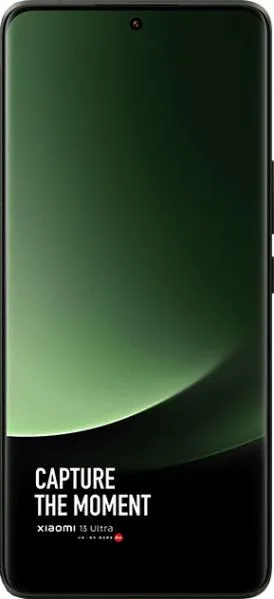
1. Specifications Comparison
| Feature | Xiaomi 13 Ultra | realme 8 | Practical Impact |
|---|---|---|---|
| Design | |||
| Dimensions (mm) | 163.2 x 74.6 x 9.1 | 162 x 75.1 x 8.7 | Xiaomi 13 Ultra is slightly larger and thicker. |
| Weight (g) | 227 | 191 | Realme 8 is noticeably lighter, improving one-handed use. |
| Build Materials | Missing | Missing | Cannot compare build quality and durability. |
| Display | |||
| Size (inches) | 6.73 | 6.78 | Realme 8 has a slightly larger display. |
| Resolution | 1440 x 3200 | 1264 x 2780 | Xiaomi 13 Ultra has a significantly sharper display (522 ppi vs 450 ppi), resulting in crisper text and images. |
| Panel Type | LTPO AMOLED | LTPO AMOLED | Both offer excellent contrast and vibrant colors. |
| Refresh Rate | 120Hz | 120Hz | Both provide smooth scrolling and animations. |
| Color Depth | 68B | 1B | Xiaomi 13 Ultra supports a wider color gamut, offering more accurate and nuanced colors, especially beneficial for content creation. |
| HDR | Dolby Vision, HDR10+ | HDR | Xiaomi 13 Ultra supports more advanced HDR standards, resulting in better dynamic range and more immersive video playback. |
| Peak Brightness | 2600 nits | 6000 nits (peak claimed) | Realme 8 boasts a significantly higher claimed peak brightness which if accurate, would offer superior outdoor visibility. Real-world testing is needed to validate this claim. |
| Performance | |||
| Chipset | Snapdragon 8 Gen 2 | Snapdragon 7+ Gen 3 | Xiaomi 13 Ultra has a flagship-level processor, offering significantly better performance for demanding tasks and gaming. |
| CPU | Octa-core (up to 3.2 GHz) | Octa-core (up to 2.8 GHz) | Xiaomi 13 Ultra offers faster processing speeds. |
| GPU | Adreno 740 | Adreno 732 | Xiaomi 13 Ultra has a more powerful GPU for improved gaming and graphics rendering. |
| RAM | 12GB | 12GB | Both phones have ample RAM for multitasking. |
| Camera | |||
| Rear Camera | 50MP Quad Camera (Leica) | Missing | Xiaomi 13 Ultra boasts a high-resolution quad-camera system co-engineered with Leica, presumably offering superior image quality and versatile photography options. Detailed specs for realme 8's camera are missing. |
| Front Camera | 32MP | Missing | No comparison possible due to missing realme 8 front camera details. |
| Battery | |||
| Capacity | 5000 mAh | 5500 mAh | Realme 8 has a larger battery capacity, potentially leading to longer battery life. |
| Charging Speed | Missing | Missing | Cannot compare charging speeds. |
2. Key Differences Analysis
Xiaomi 13 Ultra Advantages:
- Superior Display: Sharper, wider color gamut, better HDR support.
- Flagship Performance: Significantly faster processor and GPU.
- Advanced Camera System: High-resolution quad camera with Leica collaboration.
Realme 8 Advantages:
- Lighter Weight: More comfortable for one-handed use.
- Larger Battery: Potential for longer battery life.
- Lower Price: Significantly more affordable. (medium vs high price range)
3. User Profiles & Recommendations
Xiaomi 13 Ultra: Ideal for users who prioritize performance, photography, and a premium display. Suitable for demanding tasks, gaming, and content creation.
Realme 8: Best suited for budget-conscious users who prioritize battery life and a large display. Suitable for everyday tasks, social media, and content consumption.
4. Decision Framework
Key Questions for Buyers:
- What is your budget? The Xiaomi 13 Ultra is significantly more expensive.
- What are your primary use cases? (Gaming, photography, everyday use)
- Which features are most important to you? (Performance, camera, battery life)
My Choice: Xiaomi 13 Ultra
While the realme 8 offers a larger battery and lower price, the Xiaomi 13 Ultra's superior performance, display, and camera system make it the clear winner for me. I prioritize a smooth user experience, high-quality photography, and a vibrant display. The price difference is justified by the significant jump in overall quality and features. The realme 8's higher claimed peak brightness is intriguing but lacks evidence, and missing camera specifications make a comprehensive judgment impossible. The Xiaomi 13 Ultra represents a more complete and compelling package for my needs.
