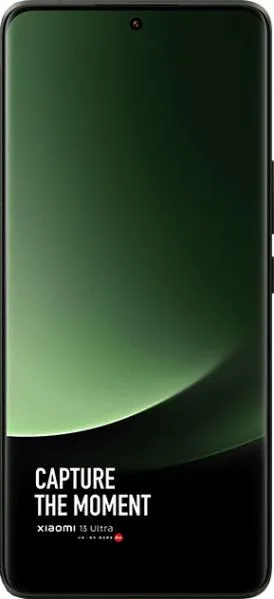
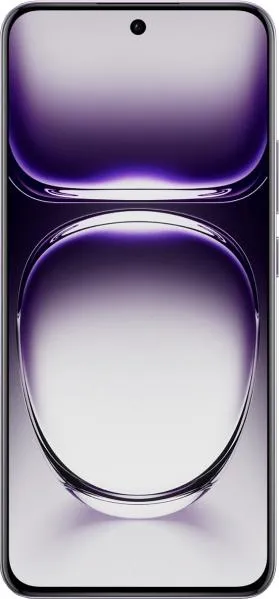
1. Specifications Comparison
| Feature | Xiaomi 13 Ultra | Oppo Reno12 Pro | Practical Impact |
|---|---|---|---|
| Design | |||
| Dimensions (mm) | 163.2 x 74.6 x 9.1 | 161.5 x 74.8 x 7.4 | Xiaomi is slightly larger and thicker. Oppo is noticeably thinner and lighter. |
| Weight (g) | 227 | 180 | Oppo is significantly lighter, improving one-handed use and portability. |
| Build Materials | Missing | Missing | Cannot compare build quality and durability. |
| Display | |||
| Size (inches) | 6.73 | 6.7 | Negligible size difference. |
| Resolution | 1440 x 3200 | 1080 x 2412 | Xiaomi offers much sharper visuals due to higher pixel density (522 vs 394 PPI), beneficial for detailed content like photos and videos. |
| Type | LTPO AMOLED | AMOLED | Both offer vibrant colors and deep blacks. Xiaomi's LTPO panel allows for dynamic refresh rate adjustment (1-120Hz), saving battery while maintaining smoothness. |
| Peak Brightness | 2600 nits | 1200 nits | Xiaomi offers significantly higher peak brightness, ensuring better visibility in direct sunlight. |
| Performance | |||
| Chipset | Snapdragon 8 Gen 2 | Dimensity 7300 | Xiaomi's Snapdragon 8 Gen 2 provides significantly better CPU and GPU performance, leading to smoother multitasking, faster app loading, and superior gaming capabilities. |
| RAM | 12GB | 12GB | Both offer ample RAM for multitasking. |
| Storage | 256GB/512GB/1TB | 256GB/512GB | Xiaomi offers a 1TB storage option for users needing extensive local storage. |
| Camera | |||
| Main Camera | 50MP, Sony IMX989, 1-inch sensor | 50MP, Sony LYT-600, 1/2-inch sensor | Xiaomi boasts a much larger sensor, capturing more light and detail, especially in low-light conditions. |
| Telephoto | 50MP, 3.2x/5x optical zoom | 50MP, 2x optical zoom | Xiaomi offers superior zoom capabilities. |
| Ultrawide | 50MP | 8MP | Significant difference in resolution; Xiaomi's ultrawide will produce much more detailed shots. |
| Battery | |||
| Capacity | 5000 mAh | 5000 mAh | Similar battery capacity. Real-world battery life will depend on usage and optimization. |
| Charging Speed | Missing | Missing | Cannot compare charging speeds. |
2. Key Differences Analysis
Xiaomi 13 Ultra Advantages:
- Superior Performance: The Snapdragon 8 Gen 2 offers a noticeable performance advantage for demanding tasks and gaming.
- Brighter, Sharper Display: The LTPO AMOLED with higher resolution and peak brightness provides a better visual experience.
- Advanced Camera System: The 1-inch main sensor and versatile telephoto lenses deliver significantly better image quality, especially in low light and zoom scenarios.
Oppo Reno12 Pro Advantages:
- Lighter and Thinner: Noticeably more comfortable for one-handed use and portability.
- Lower Price: Significantly more affordable.
Trade-offs:
- Xiaomi: Higher price, larger and heavier build.
- Oppo: Lower performance, less impressive camera system, lower resolution display.
3. User Profiles & Recommendations
Xiaomi 13 Ultra: Ideal for power users, photographers, videographers, and mobile gamers who prioritize performance, display quality, and camera capabilities and are willing to pay a premium.
Oppo Reno12 Pro: Suitable for users who prefer a lightweight and slim phone for everyday use, prioritize affordability, and don't require top-tier performance or camera features.
4. Decision Framework
Key Questions for Buyers:
- What is your budget? The Xiaomi is a high-priced flagship, while the Oppo is a mid-range option.
- What are your primary use cases? Gaming, photography, and demanding tasks benefit from the Xiaomi's power. Casual use, social media, and web browsing are well-handled by the Oppo.
- Do you prioritize portability and comfort? The Oppo's lighter and thinner design is preferable for extended use and one-handed operation.
My Choice: Xiaomi 13 Ultra
While the Oppo Reno12 Pro offers a compelling price and sleek design, the Xiaomi 13 Ultra is the clear winner for me. I prioritize performance, camera quality, and display clarity. The Snapdragon 8 Gen 2, coupled with the stunning LTPO AMOLED display and the advanced camera system with its 1-inch sensor, significantly outweighs the Oppo's advantages in price and portability. I am willing to pay the premium for the superior overall user experience offered by the Xiaomi 13 Ultra, especially for photography and demanding tasks. The larger size and weight are acceptable trade-offs for the substantial gains in other areas.
