1. Specifications Comparison
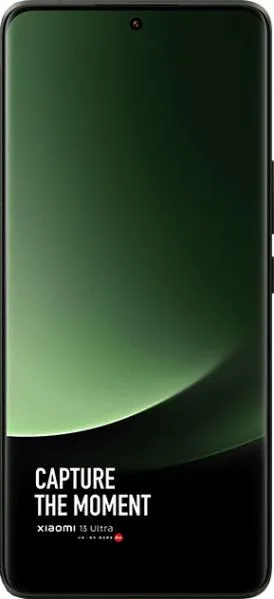
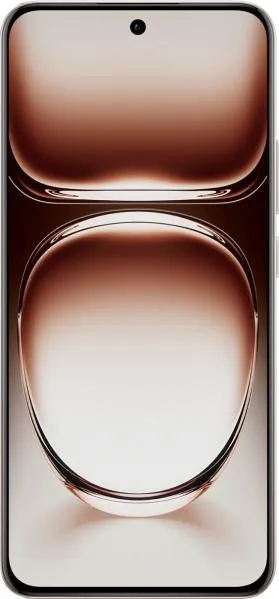
| Feature | Xiaomi 13 Ultra | Oppo Reno12 | Practical Impact |
|---|---|---|---|
| Design | |||
| Dimensions (mm) | 163.2 x 74.6 x 9.1 | 161.4 x 74.1 x 7.6 | Xiaomi is slightly larger and thicker. Oppo is noticeably lighter and thinner, potentially improving one-handed usability. |
| Weight (g) | 227 | 177 | Significant weight difference; Oppo will feel much lighter in hand and pocket. |
| Build Material | Missing | Missing | Cannot compare build quality and durability. |
| Display | |||
| Display Size (inches) | 6.73 | 6.7 | Negligible size difference in real-world usage. |
| Resolution | 1440 x 3200 | 1080 x 2412 | Xiaomi has a significantly sharper display (522 ppi vs 394 ppi), resulting in crisper text and images. |
| Display Type | LTPO AMOLED | AMOLED | Both offer vibrant colors and deep blacks. Xiaomi's LTPO panel allows for dynamic refresh rate adjustment, potentially saving battery. |
| Peak Brightness (nits) | 2600 | 1200 | Xiaomi's display gets much brighter, improving outdoor visibility. |
| Performance | |||
| Chipset | Snapdragon 8 Gen 2 | Dimensity 7300 | Xiaomi's flagship processor offers significantly better performance in demanding tasks like gaming and multitasking. |
| CPU | Octa-core (1x3.2 GHz Cortex-X3 & 2x2.8 GHz Cortex-A715 & 2x2.8 GHz Cortex-A710 & 3x2.0 GHz Cortex-A510) | Octa-core (4x2.5 GHz Cortex-A78 & 4x2.0 GHz Cortex-A55) | Xiaomi features a more powerful and modern CPU architecture. |
| GPU | Adreno 740 | Mali-G615 MC2 | Xiaomi's GPU provides a substantial advantage in graphics performance for gaming and other visually intensive applications. |
| RAM | 12GB | 12GB | Both phones offer ample RAM for smooth multitasking. |
| Camera | |||
| Main Camera | 50MP, 1-inch sensor | 50MP, 1/2-inch sensor | Xiaomi's much larger sensor allows for better light capture, potentially resulting in superior low-light performance and depth of field. |
| Other Cameras | 3x 50MP Telephoto, 50MP Wide + Macro | 8MP Wide, 2MP Macro | Xiaomi offers a more versatile and powerful camera system with multiple high-resolution telephoto lenses. |
| Battery | |||
| Capacity | 5000 mAh | 5000 mAh | Similar battery capacities; real-world battery life will depend on software optimization and usage patterns. |
| Charging Speed | Missing | Missing | Unable to compare charging speeds. |
2. Key Differences Analysis
Xiaomi 13 Ultra Advantages:
- Superior Performance: The Snapdragon 8 Gen 2 offers a significant performance advantage for demanding tasks.
- Exceptional Camera System: The 1-inch main sensor and versatile telephoto lenses provide a clear edge in image quality and flexibility.
- Sharper and Brighter Display: Higher resolution and peak brightness result in a noticeably better visual experience.
- LTPO Display: Enables dynamic refresh rate, potentially improving battery life.
Oppo Reno12 Advantages:
- Lighter and Thinner: More comfortable for one-handed use and pocket carry.
- Lower Price: Significantly more affordable.
- More Recent Android Version: Ships with a newer version of Android, potentially offering longer software support.
Trade-offs:
- Xiaomi: Higher price, heavier and thicker design.
- Oppo: Lower performance, less capable camera system, lower resolution display.
3. User Profiles & Recommendations
Xiaomi 13 Ultra: Ideal for users who prioritize performance, camera quality, and display excellence. Suitable for demanding tasks like mobile gaming, content creation, and professional photography.
Oppo Reno12: Suitable for users seeking a lightweight, affordable phone for everyday tasks like social media, web browsing, and casual photography. Good value for budget-conscious buyers.
4. Decision Framework
Key Questions for Buyers:
- What is your budget? The Xiaomi is a premium flagship, while the Oppo is a mid-range option.
- What are your primary use cases? Consider whether you need the extra performance and camera capabilities of the Xiaomi.
- How important are factors like weight and size? The Oppo's lighter and thinner design might be preferable for some.
Scenario-Based Recommendations:
- Gamer/Power User: Xiaomi 13 Ultra
- Budget-Conscious User: Oppo Reno12
- Photographer/Videographer: Xiaomi 13 Ultra
My Choice: Xiaomi 13 Ultra
While the Oppo Reno12 offers excellent value for its price, the Xiaomi 13 Ultra is the clear winner for me. I prioritize performance, camera quality, and a premium display experience. The Snapdragon 8 Gen 2, the 1-inch main camera sensor, and the high-resolution LTPO AMOLED display are compelling features that justify the higher price. The weight difference is a minor trade-off for the substantial gains in other areas. The superior camera system alone would be a deciding factor for my photography needs. While the Oppo is a good option for budget-minded buyers, the Xiaomi's comprehensive advantages make it the better overall device for my usage.
